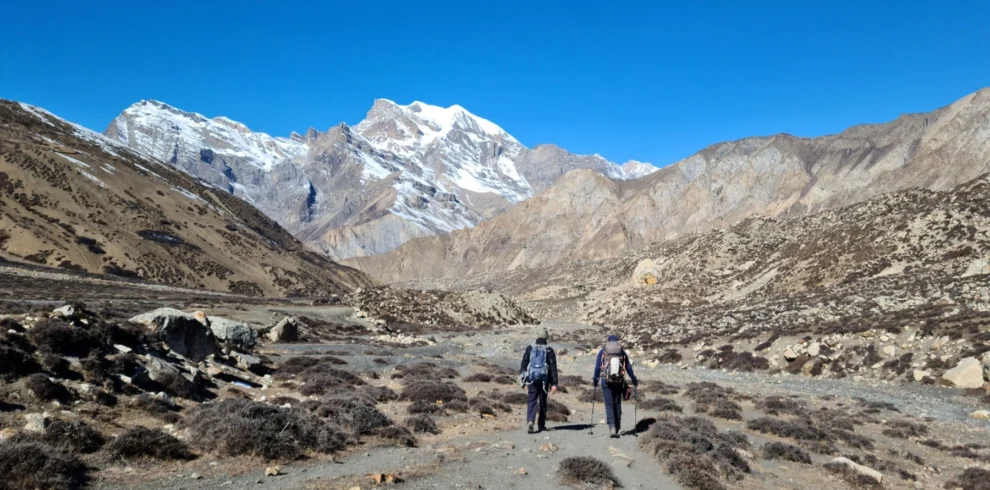
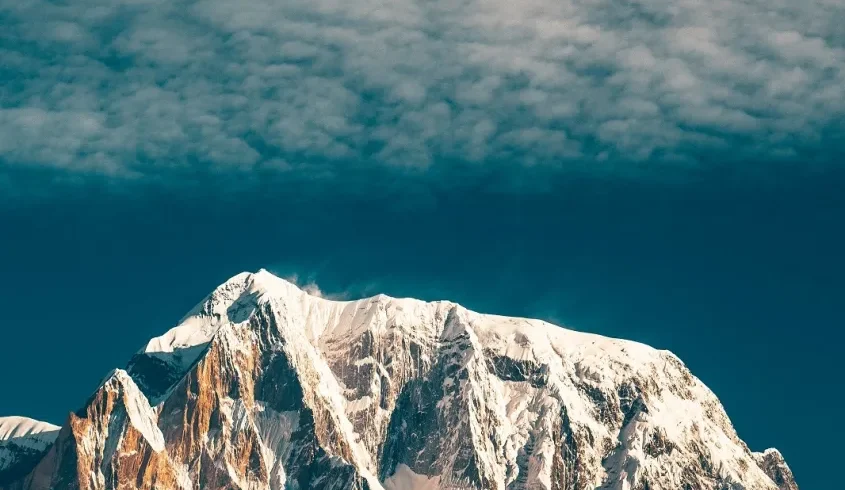
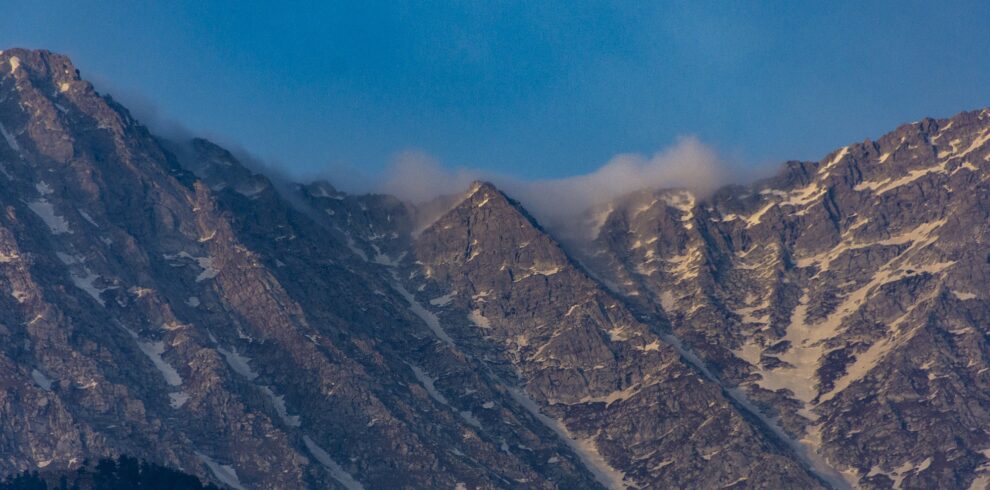
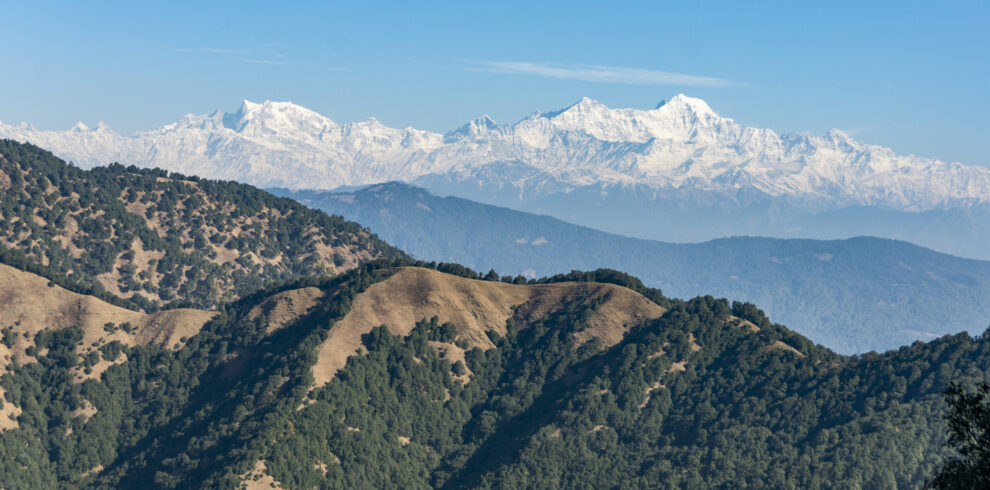
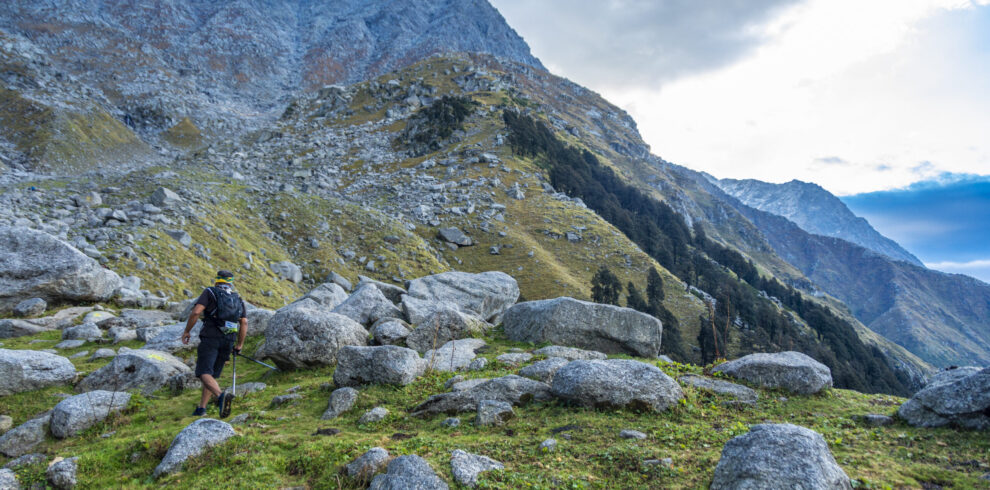
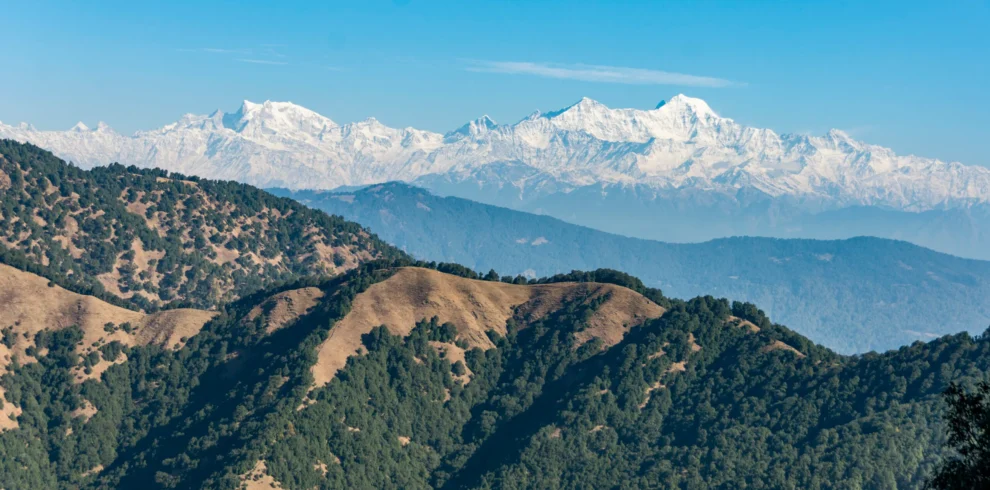
The UT Ladakh Kangri peak, located in the upper valley of Rumtse village, is a prominent snow-covered peak that was recently explored and successfully climbed by local mountaineers from the Ladakh Mountain Guides Association in 2019. UT kangri is the best for those who are new to mountaineering and planning to do a six-thousander at the beginning.
Although the trail to the top of UT Kangri is beautiful, it is also challenging and requires prior experience in high-altitude trekking. The summit day is the longest and most exhausting day of the expedition, lasting around 10-11 hours. Climbers will be roped up in a team and will need to climb steep slopes in deep snow conditions. However, reaching the top of UT Kangri is rewarding as it offers breathtaking views of the surrounding Himalayan ranges such as the Karakoram, Zanskar, and Stok ranges that will be etched in the climbers’ memories forever.
We have modified the usual itinerary in order to turn it into a rigorous winter training program. This will help the climber learn the skills and techniques of mountaineering in the best way possible. You will learn the use of Ice Axe and Crampons. You will alos undertake the skill training that includes Anchoring, Rappelling, Use of Ice Pitons, Fixed Ropes, Jumaring, Crevasse Crossing and more.
Note: Prices mentioned are applicable for Indian passport holders. For foreign passport holders, the cost may vary. Please connect with the Boots & Crampons team for clarity.
Note: An indemnity document will be shared before the expedition. Signing it is mandatory.
Accommodation
Meals
Transportation
Trek Leadership & Expedition Staff
Camping & Expedition Equipment
Technical Equipment (For Climbing Expeditions Only)
Where applicable, the following technical climbing equipment will be provided:
Note: Technical gear inclusion varies depending on season, trek, and expedition. Detailed gear information will be shared during pre-expedition Zoom briefings and via the WhatsApp group after registration.
Permits & Documentation
Safety & Medical Support
Additional Benefits
Travel to Leh
Personal Equipment & Gear
Personal Expenses
Insurance & Emergency Costs
Accommodation Upgrades
Unforeseen Expenses
Additional expenses arising due to:
Buffer Day / Reserve Day Policy
Staff Tips & Gratuities
General Clause
Any service, facility, or expense not explicitly mentioned in the “Inclusions” section will be considered excluded.
Note:
Any service, activity, or expense not explicitly mentioned under the Inclusions section will be considered excluded.
Please read carefully before registering
At Boots & Crampons, preparation is not optional. The level of training required depends on the duration, altitude, and technical difficulty of the trek or expedition you are signing up for.
Proper preparation increases not just your chances of success, but also your safety and enjoyment in the mountains.
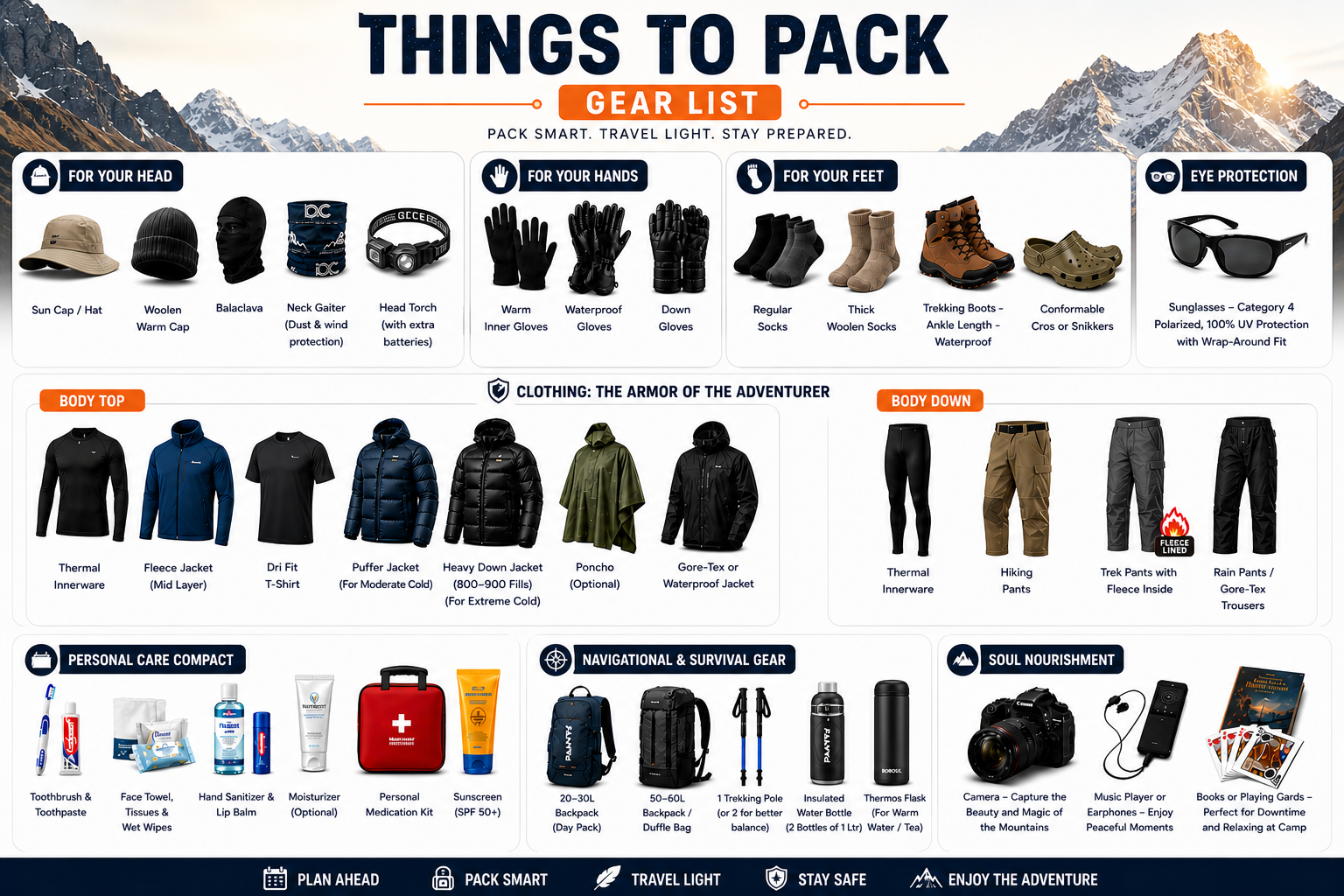
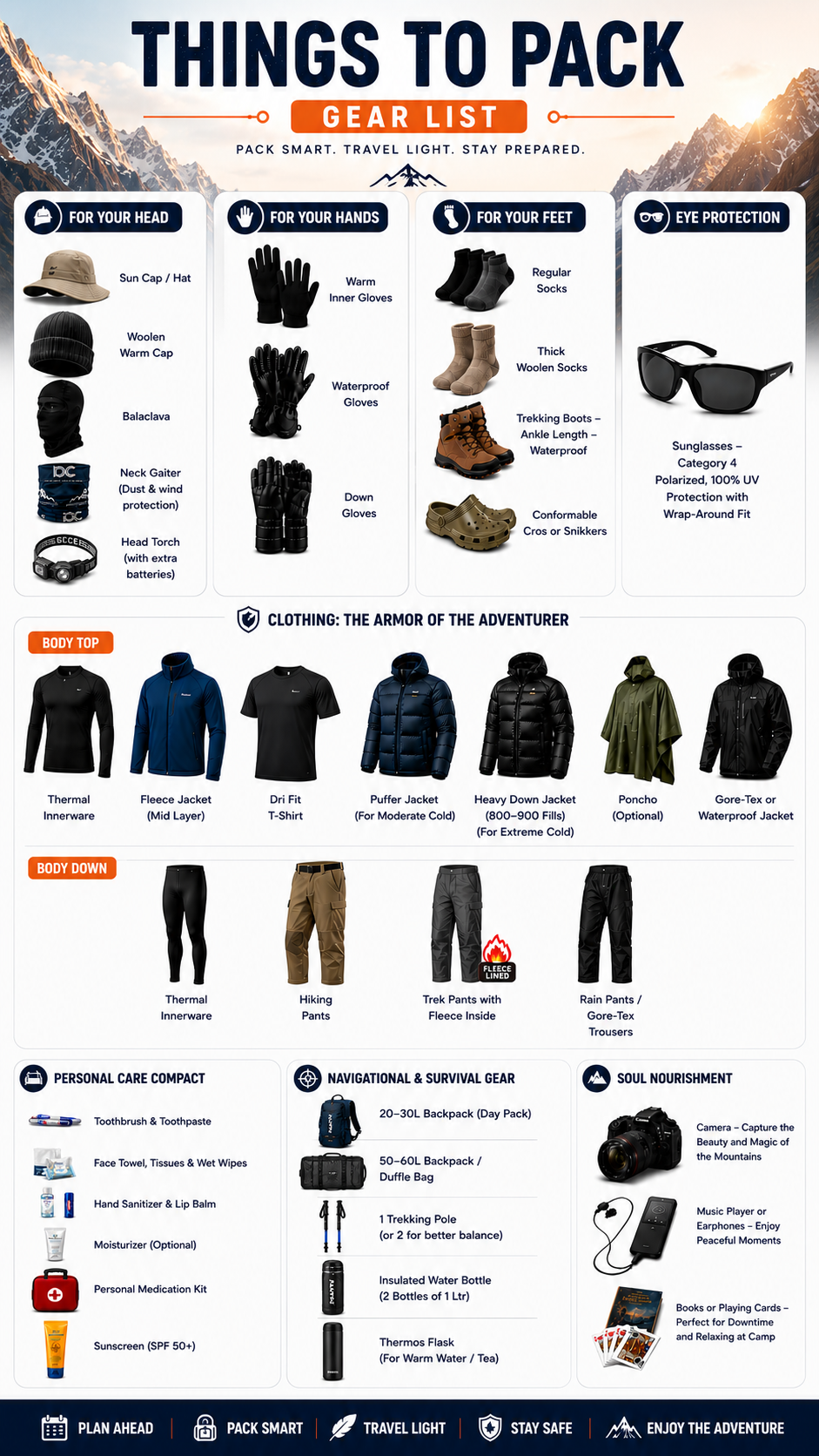

For rental bookings and additional equipment support, visit our contracted business partner — Summit Yak Official Website
The expedition involves diverse high-altitude Himalayan terrain, including snow-covered trails, glaciers, rocky moraines, steep ascents and descents, and exposed mountain slopes. The winter training component focuses on developing essential skills for navigating snow and ice, improving balance, and moving safely in challenging mountain conditions.
The expedition reaches the summit of UT Kangri at approximately 6,070 m (19,915 ft), subject to the specific route and expedition itinerary. At this altitude, oxygen availability is significantly reduced, making proper acclimatisation, gradual ascent, and careful monitoring of health essential.
The UT Kangri Expedition is a challenging high-altitude mountaineering expedition that requires physical endurance, mental resilience, and preparation for extreme mountain conditions. The ascent may involve snow slopes, glacier travel, and the use of technical equipment, depending on the route and conditions. The winter training component helps participants develop the skills required for high-altitude snow and ice travel.
The UT Kangri Expedition is a challenging high-altitude mountaineering expedition that requires physical endurance, mental resilience, and preparation for extreme mountain conditions. The ascent may involve snow slopes, glacier travel, and the use of technical equipment, depending on the route and conditions. The winter training component helps participants develop the skills required for high-altitude snow and ice travel.
The most suitable season depends on the expedition route and the snow conditions required for training and climbing.
Summer (June–September): Conditions may be suitable for high-altitude trekking and mountaineering, depending on local weather and route conditions.
Autumn (September–October): Colder temperatures and changing snow conditions can provide opportunities for mountaineering preparation, subject to the chosen itinerary.
Winter: Conditions are significantly harsher, with extreme cold, snow, and potentially challenging weather windows. Winter-specific training requires appropriate equipment, experience, and expert supervision.
The final expedition dates should be selected according to local conditions, forecast stability, and the team’s safety assessment.
Participants should have strong cardiovascular endurance, good leg strength, and the ability to sustain long hours of physical activity at altitude. Prior high-altitude trekking experience is strongly recommended.
Preparation should include:
Regular cardio training, such as running, cycling, or brisk walking.
Stair climbing and uphill hikes with a weighted backpack.
Strength and endurance exercises for the legs and core.
Practice hikes on consecutive days to build stamina.
Familiarisation with mountaineering equipment and cold-weather layering.
The winter training component may cover essential skills such as crampon use, ice axe techniques, snow travel, and movement on steep slopes, depending on the course curriculum.
➡️ Please review the Trek Preparation Guide section for detailed fitness standards and training recommendations.
You should have:
➡️ For complete fitness and training expectations, refer to the Preparation Guide.
Essentials include:
➡️ A full gear checklist is included in the Preparation Guide.
Water is obtained from glacial streams and snow melt. The expedition team treats water, but climbers should carry personal purification tablets or filer water bottles as backup
Boots & Crampons staff of highly trained professional guides is here to make your journey as safe and secure as possible. All of our trekking guides are medically certified and have abundant experience using their training in mountainous environments.
Our safety standards are based on the experiences of our founder, managing risk in some of the world’s most hostile environments.
While we advise our trekkers to carry light, our guides are always prepared with:
Discover similar treks from Boots & Crampons that quench your thirst for adventure.