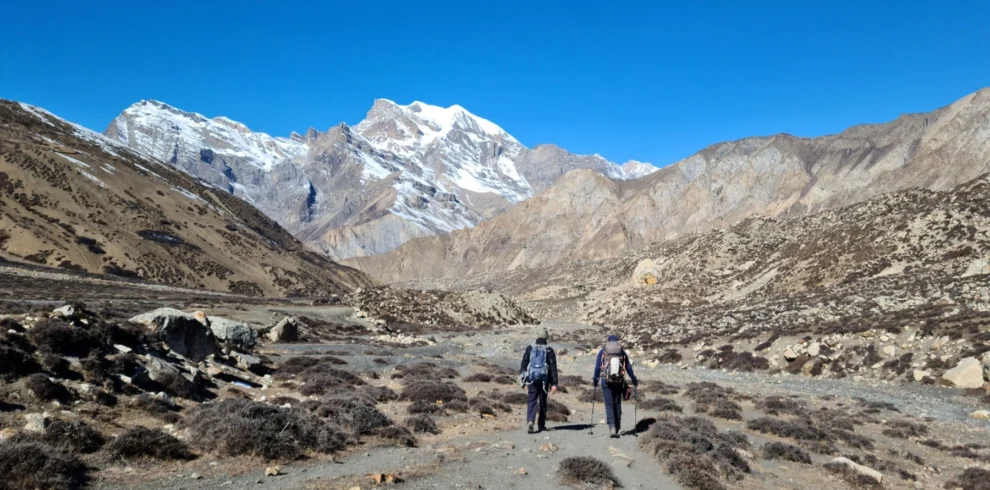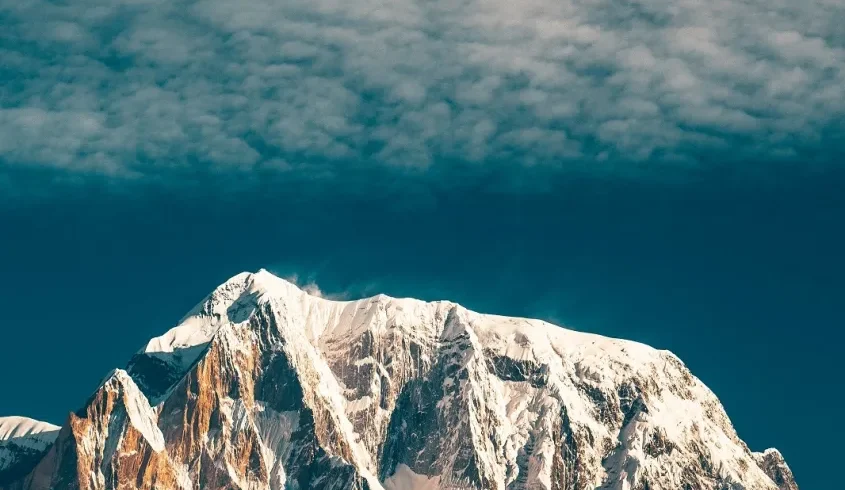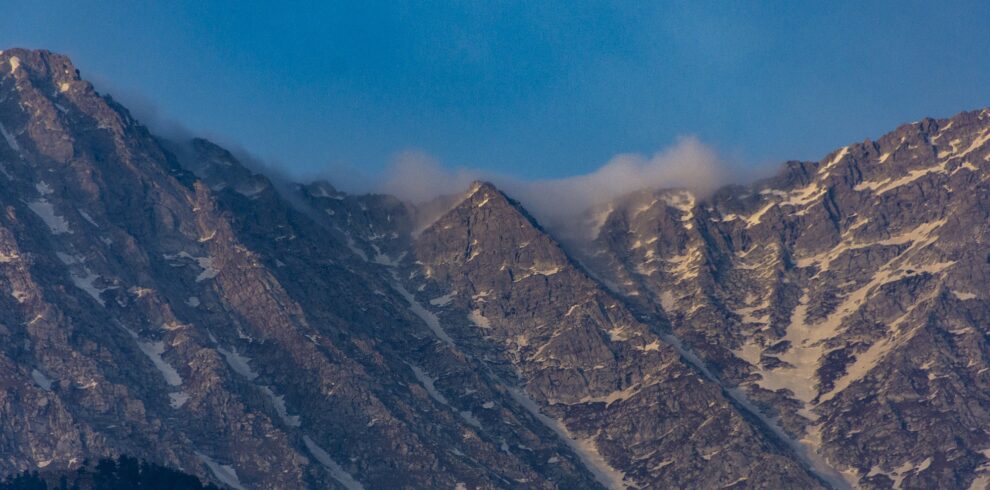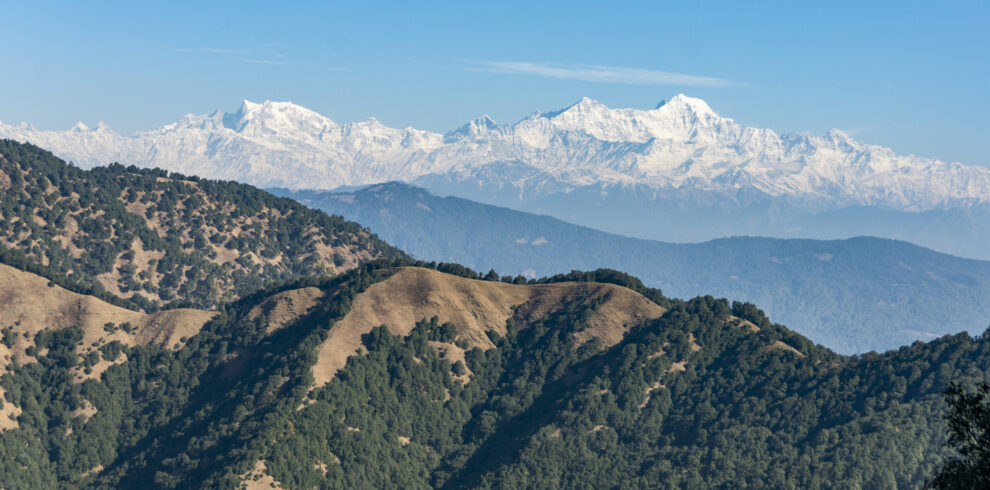


Patalsu Peak Winter Training is a dedicated snow-training and Himalayan summit programme designed for trekkers and aspiring mountaineers who want to gain practical experience in winter mountain conditions.
Located above Solang Valley near Manali, Patalsu Peak provides an opportunity to learn and practise essential snow skills before attempting a summit in a winter environment. Unlike a regular trekking itinerary, this programme places significant emphasis on hands-on training, equipment familiarisation and safe movement on snow.
Participants spend time understanding winter layering, movement on snow-covered terrain, the use of appropriate equipment and other practical skills selected by the expedition team. Training sessions are adapted to the snow conditions, terrain and prevailing weather, with the aim of helping participants approach the final summit attempt with greater awareness and confidence.
The programme combines mountain trekking, acclimatization, practical snow training and a summit attempt. Participants should be prepared for cold temperatures, changing weather and physically demanding days. The level of technical practice possible will depend on conditions and the judgement of the instructors.
Patalsu Peak Winter Training is conducted only during February and March, when suitable snow conditions may be available. Actual departures and the training plan remain subject to weather, snow conditions and operational feasibility.
This programme is distinct from the regular Patalsu Peak trek. Its primary focus is learning and practising winter mountain skills, with the summit attempt forming an important part of the overall experience.
Note: Prices mentioned are applicable for Indian passport holders. For foreign passport holders, the cost may vary. Please connect with the Boots & Crampons team for clarity.
Note: An indemnity document will be shared before the trek. Signing it is mandatory.
Trek starting altitude: Approximately 2,400 m
Overnight camp altitude: Approximately 3,200–3,250 m
Trekking distance: Approximately 4–6 km
Walking time: Approximately 3–4 hours
Driving time: Approximately 30–45 minutes
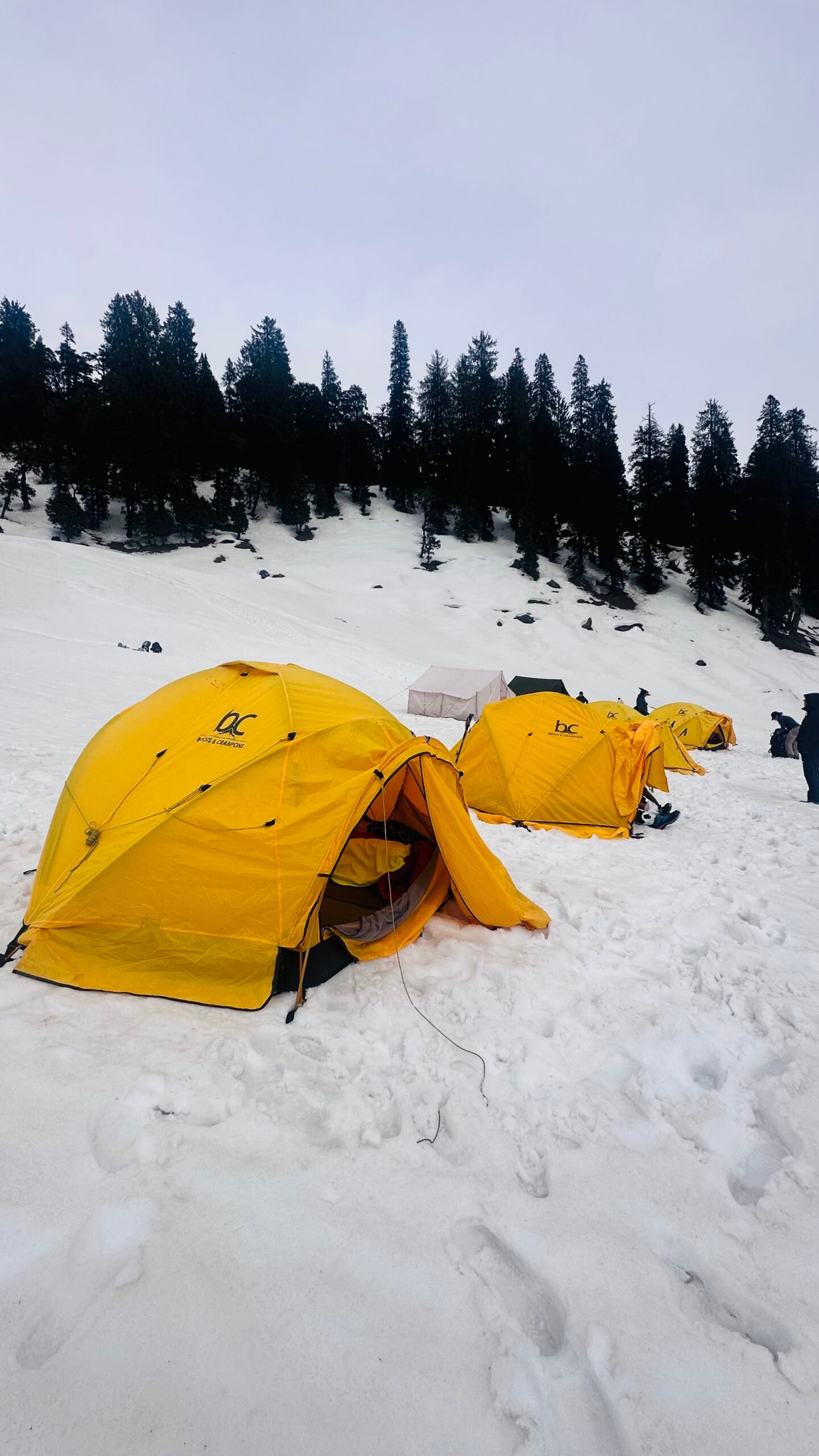
Overnight stay: Tents
Arrive at the designated reporting point in Manali and meet the expedition team for an introductory briefing and equipment check. After organising the group and luggage, drive towards Solang Valley, the starting point for the trek.
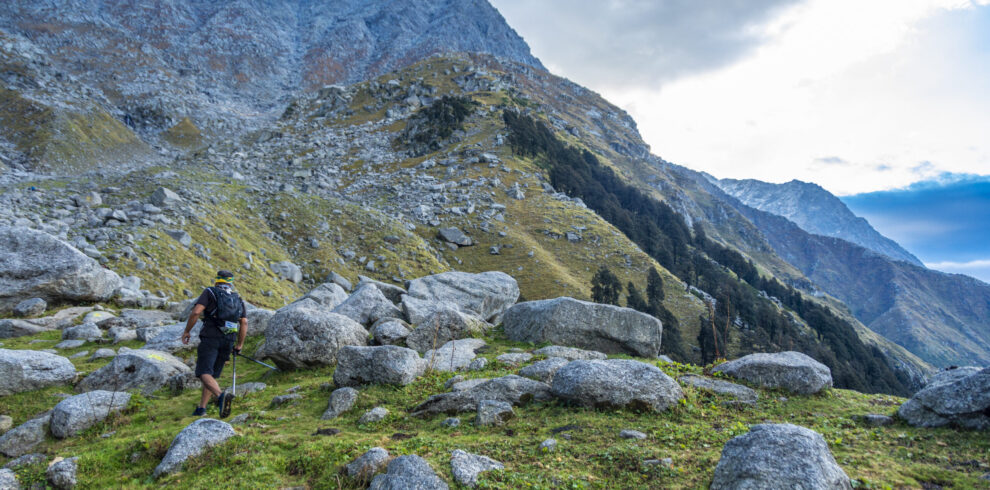
Begin the ascent towards the designated base camp through mountain trails and forest clearings. The walk offers an introduction to the surrounding Himalayan landscape while allowing participants to settle into the mountain environment.
On reaching camp, settle into the tents and receive a briefing about the programme, expected winter conditions, equipment requirements and the plan for the coming days.
The team will also review the group’s readiness and explain the importance of acclimatization, hydration, appropriate layering and following instructions during winter training.
Training altitude: Approximately 3,200–3,500 m, depending on the selected location
Walking distance: Approximately 2–4 km
Walking and training time: Approximately 4–5 hours
Overnight stay: Tents at base camp
After breakfast, undertake a short acclimatization hike followed by the first major practical snow-training session.
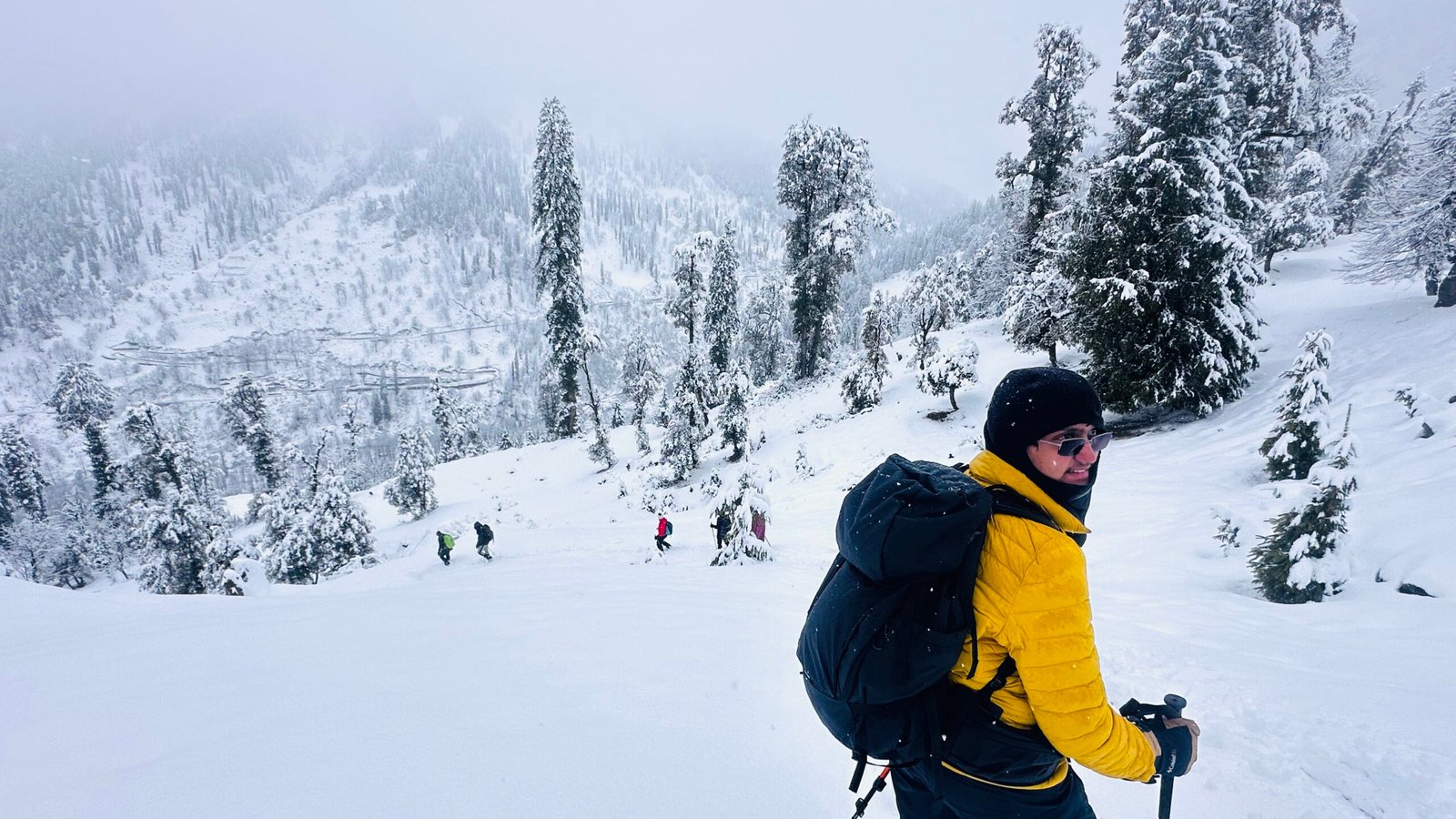
The session will introduce participants to the challenges of moving through snow-covered mountain terrain. Depending on conditions and the confirmed training curriculum, topics may include winter layering, safe movement on snow, balance and foot placement, trekking-pole use, and familiarisation with an ice axe and crampons.
Where suitable terrain and qualified supervision are available, participants may practise selected snow techniques on an appropriate training slope.
The focus is on understanding the equipment, learning basic movement principles and developing safe habits before progressing to more demanding terrain. All exercises will be adapted to the snowpack, weather and instructor assessment.
Return to camp after the session for rest, hydration and a briefing on the next day’s training.
Training altitude: Approximately 3,200–3,700 m, depending on the training site
Walking distance: Approximately 2–5 km
Walking and training time: Approximately 4–6 hours
Overnight stay: Tents at base camp
Spend the day on further practical snow training, building on the techniques introduced on Day 2.
Under the guidance of the training team, participants will work on movement across snow-covered slopes, controlled ascent and descent, equipment handling and safe group movement. Depending on the terrain and confirmed curriculum, the session may also include supervised practice of selected ice-axe and crampon techniques.
Self-arrest practice or other technical exercises should only be conducted if the instructors identify a suitable slope and conditions are safe.
The team will assess participants’ familiarity with the equipment and their readiness for the summit attempt. A further briefing will cover the summit route, expected weather, start time, clothing, equipment and turnaround criteria.
This day is intended to provide meaningful practical exposure rather than a rushed introduction to winter skills.
Summit altitude: Approximately 4,200 m
Starting / overnight altitude: Approximately 3,200–3,250 m
Trekking distance: Approximately 8–12 km round trip
Walking time: Approximately 7–9 hours
Overnight stay: Tents at base camp
Begin early for the summit attempt, subject to weather, snow conditions and the expedition leader’s assessment.
Follow the planned route towards Patalsu Peak, applying the movement techniques and equipment guidance covered during the preceding training sessions. The terrain may include snow-covered slopes, icy sections or loose ground depending on current conditions.
Maintain a steady pace and follow the instructions of the expedition team throughout the ascent. The group will proceed only as far as conditions and the leader’s safety assessment permit.
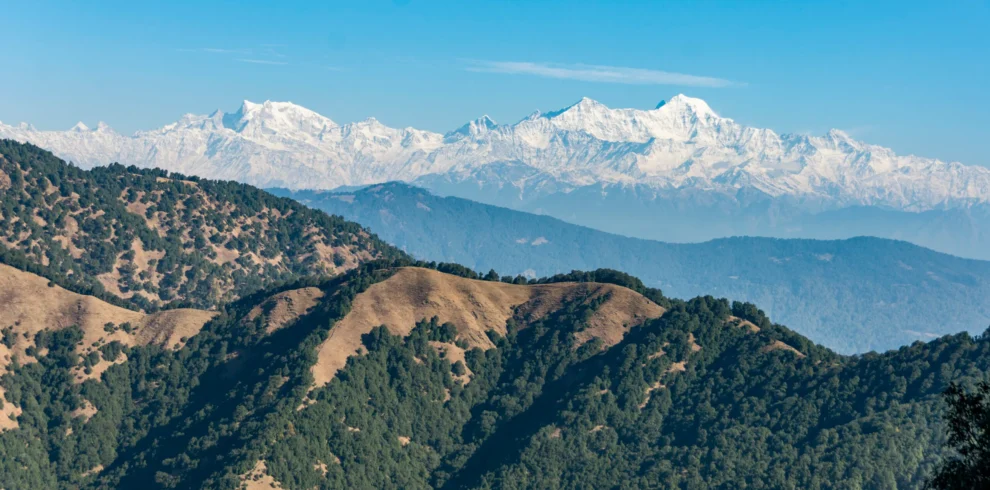
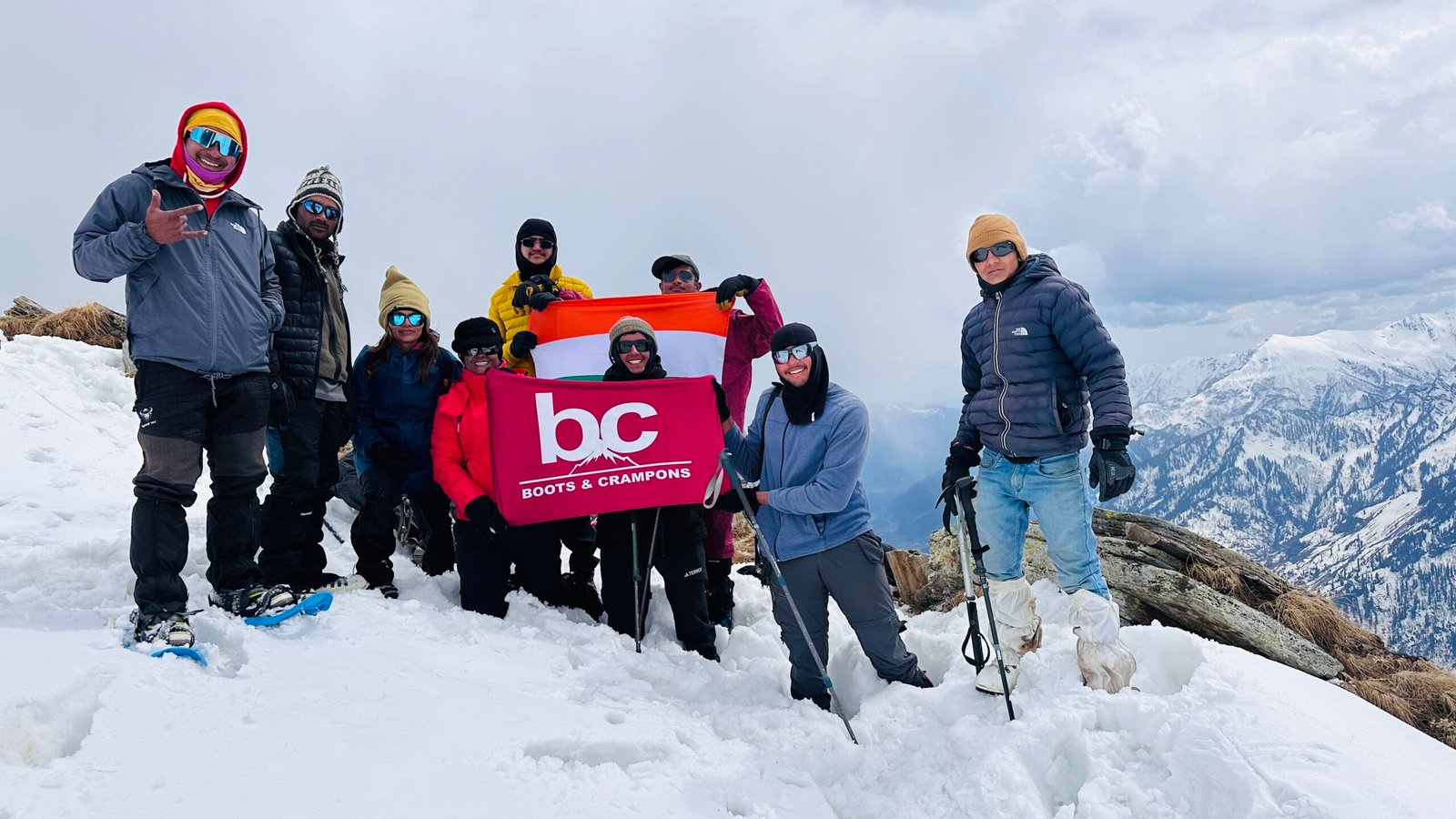
If conditions allow, reach the summit and spend a short time taking in the surrounding Himalayan views before beginning the descent to base camp.
The summit attempt is conditional on weather, route safety and participant health. The expedition leader may turn the group around if continuing is considered unsafe.
Starting altitude: Approximately 3,200–3,250 m
Ending altitude: Approximately 2,400 m, subject to the exact trailhead
Trekking distance: Approximately 4–6 km
Walking time: Approximately 2.5–3.5 hours
Driving time: Approximately 30–45 minutes
Overnight stay: Not included unless specified
After breakfast, pack up camp and begin the descent towards Solang Valley.
On reaching the roadhead, transfer to Manali and conclude the programme.
If onward travel is planned for the same day, allow sufficient time for the descent, road transfer and departure arrangements. Confirm in advance whether an overnight bus ticket or any additional accommodation is included in the package.
Transport between Manali and the trek starting point, as specified in the confirmed itinerary.
Tent accommodation during the expedition on a twin-sharing basis.
Sleeping mattresses and shared camping facilities.
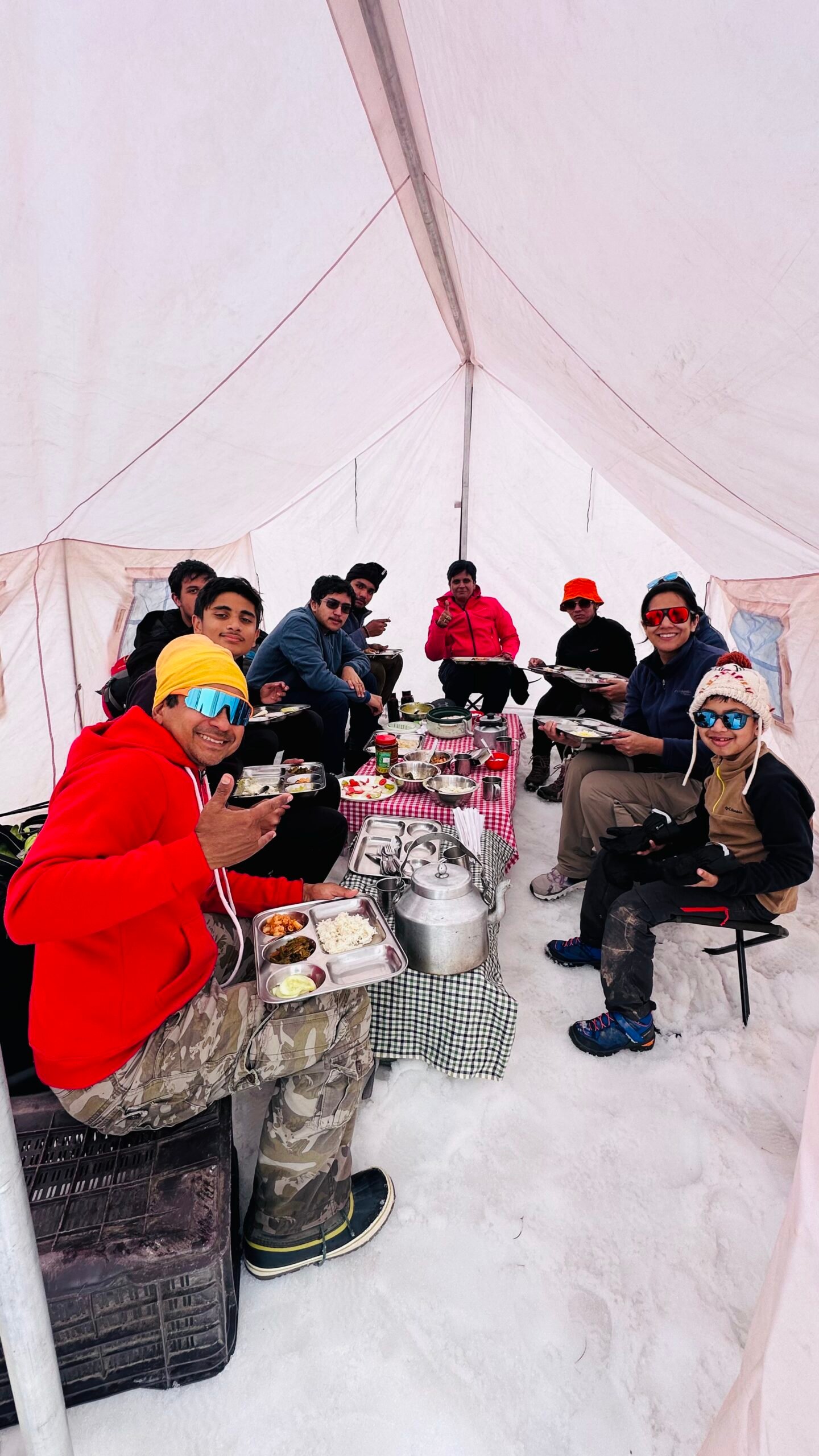
Meals during the trekking programme as specified in the final itinerary.
Morning and evening hot beverages and soup, subject to the confirmed meal plan.
Boots & Crampons trek leader and expedition support team.
Cook and camping support staff.
Porters or mules for group equipment and logistics, as required by the operating plan.
Guided practical snow-training sessions as specified in the confirmed programme.
Use of training equipment supplied by the expedition team, subject to the final equipment list.
Tents, mattresses and common camping equipment.
First-aid kit carried by the expedition team.
Applicable permits, entry fees and camping charges.
Expedition coordination and logistical arrangements.
Trek completion certificate, subject to the applicable programme criteria.
Participant discount on Fast&Up products, subject to the current offer.
Travel from the participant’s hometown to Manali and return.
Any transport not mentioned under Inclusions.
Personal trekking clothing, footwear, backpack and other individual essentials.
Winter or technical equipment not specifically listed under Inclusions.
Personal equipment rentals, unless explicitly included.
Personal snacks, beverages, toiletries and medication.
Personal porter services, unless separately arranged.
Personal travel and adventure insurance.
Medical expenses and emergency evacuation.
Tips and gratuities.
Additional accommodation, transport or other costs resulting from weather delays, route changes, natural events or a participant’s early exit.
Patalsu Peak Winter Training combines high-altitude trekking with practical exposure to snow-covered mountain terrain. Participants should arrive physically prepared and ready to learn in cold and changing conditions.
Build cardiovascular endurance through brisk walking, jogging, cycling or other aerobic activities. Gradually increase the duration of your sessions and include uphill walking or stair climbing to prepare for sustained ascents.
Include basic leg-strength exercises such as squats, step-ups and lunges. Balance and controlled movement are particularly useful when walking on uneven or snow-covered terrain.
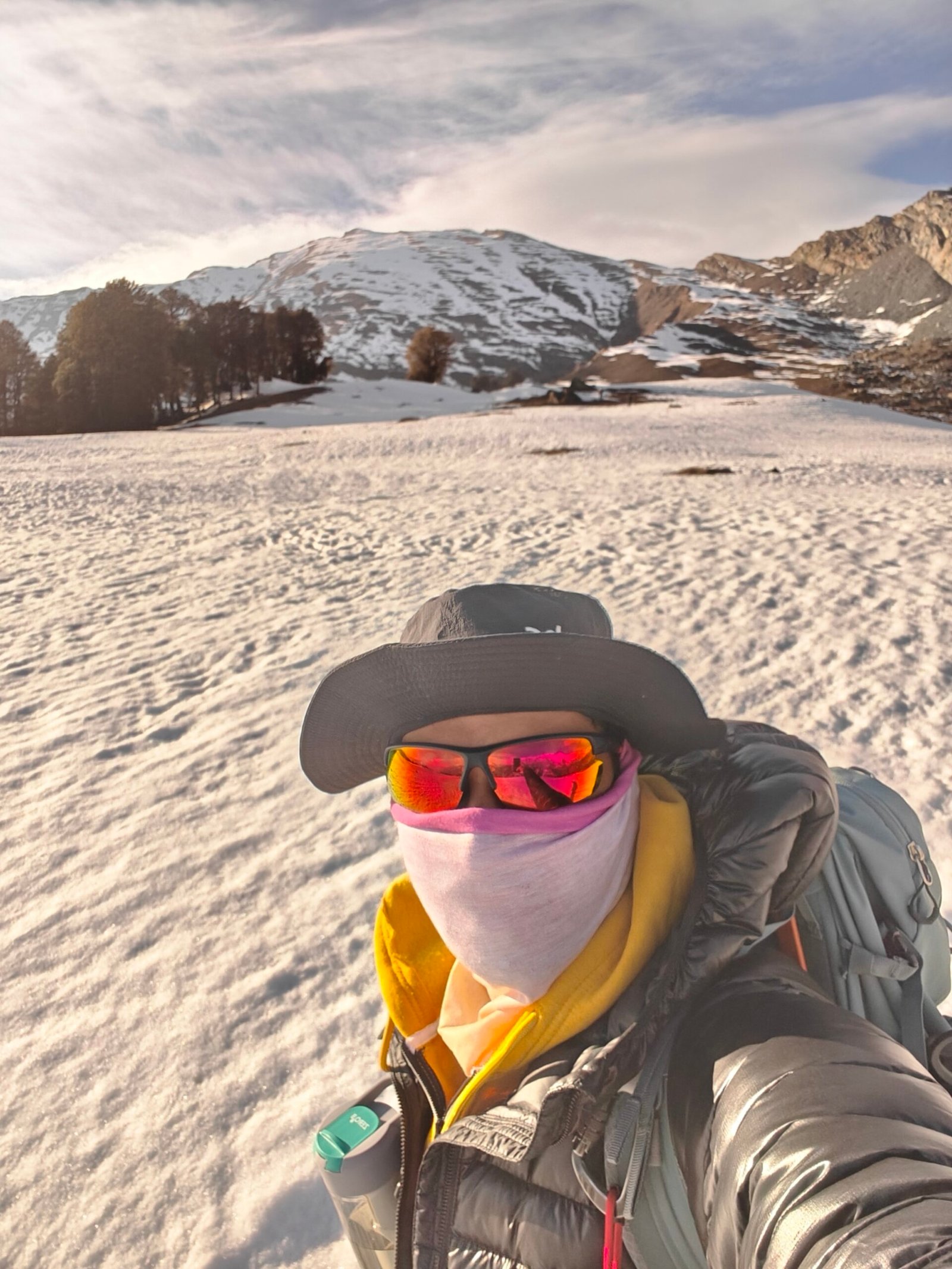
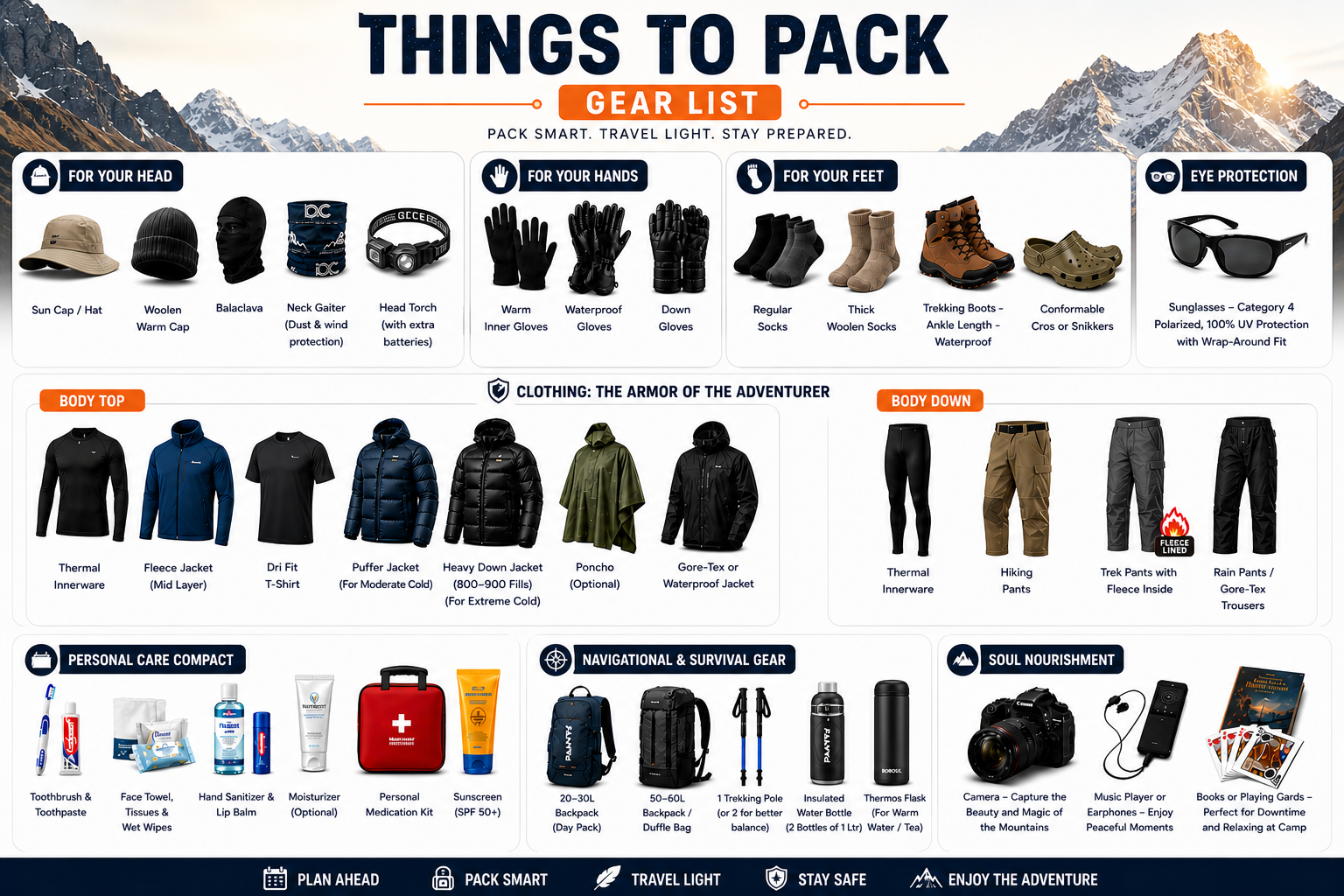
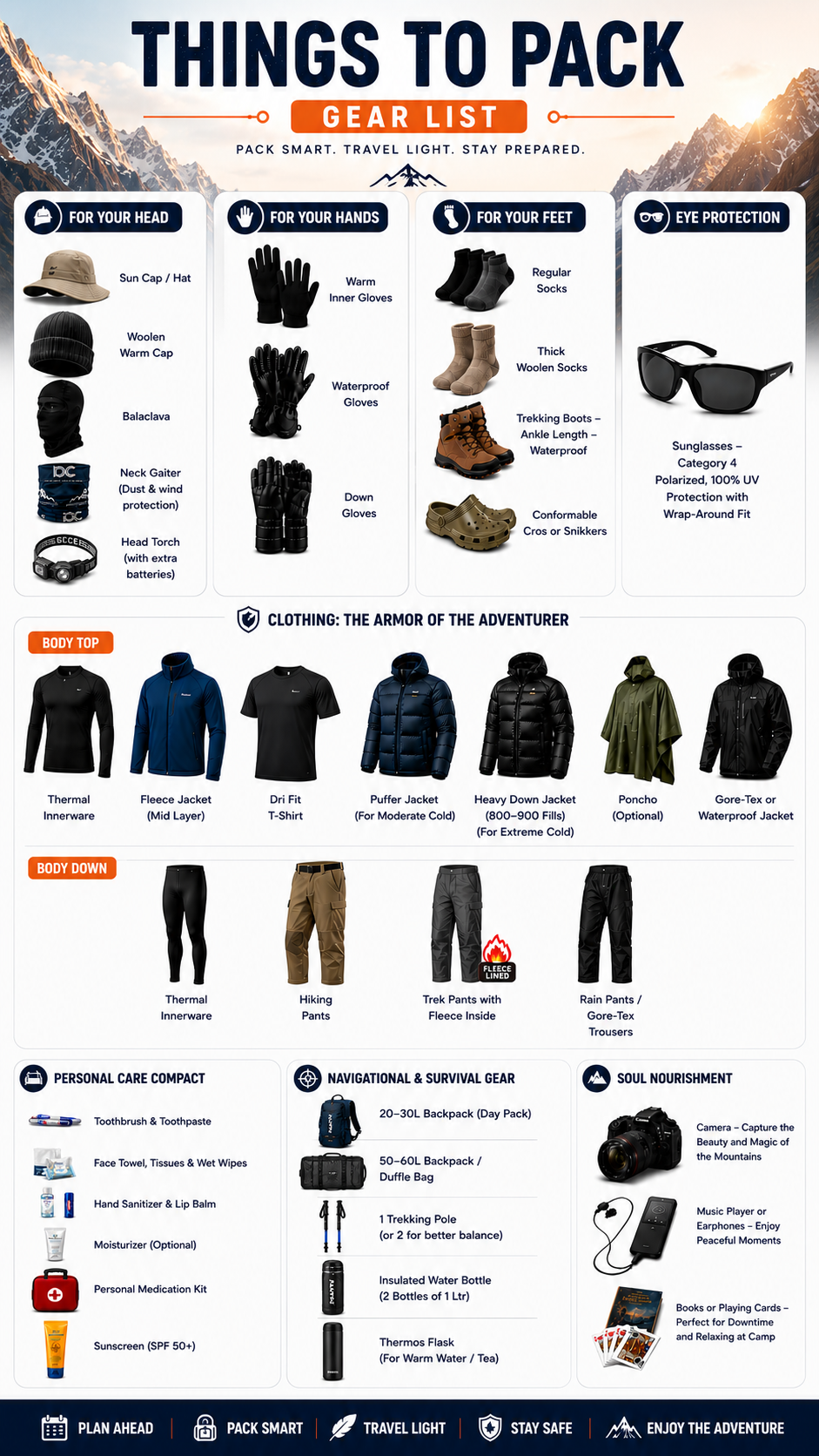
Understand how to layer clothing to manage warmth and moisture. Participants should carry suitable thermal base layers, insulating layers, a protective outer shell, warm gloves and headwear.
Follow the expedition team’s guidance on the equipment required for the programme. Ice axes, crampons and other technical equipment must be used only under appropriate instruction and supervision.
Walk at a controlled pace, stay hydrated and communicate any symptoms such as headaches, nausea, dizziness or unusual breathlessness to the trek leader. Never conceal symptoms to continue towards the summit.
Be prepared for cold temperatures, changing snow conditions and adjustments to the schedule. The summit is not guaranteed, and the training team may modify activities or stop the ascent whenever necessary.
Begin structured physical preparation several weeks before departure, adjusting the intensity to your existing fitness. Follow all pre-departure guidance from Boots & Crampons regarding equipment, clothing and travel arrangements.

For rental bookings and additional equipment support, visit our contracted business partner — Summit Yak Official Website
Patalsu Peak Winter Training is a snow-focused mountain programme that combines practical winter skills training, acclimatization and a summit attempt. Unlike the regular Patalsu Peak trek, it dedicates substantial time to learning and practising snow techniques.
The programme is offered only in February and March, when suitable snow conditions may be available. Actual departures depend on snow, weather and operational feasibility.
The programme is best described as moderate to challenging. Snow-covered terrain, cold temperatures, altitude and a potentially long summit day can increase the physical demands.
Advanced technical climbing experience may not be necessary, but participants should have reasonable fitness and be prepared to follow the training team’s instructions. Any minimum trekking or experience requirements should be confirmed for the specific departure.
The training curriculum may cover winter layering, movement on snow, equipment familiarisation, controlled movement on slopes and selected snow techniques. The exact skills practised depend on the training plan, snow conditions, suitable terrain and instructor assessment.
No. The regular Patalsu Peak trek is a separate four-day programme. Patalsu Peak Winter Training is a distinct five-day programme that places much greater emphasis on practical snow training before the summit attempt.
No. Summit success depends on weather, snow conditions, route safety and participant health. The expedition leader may change the itinerary or turn the group around whenever necessary.
Participants should have good cardiovascular endurance and be comfortable with sustained uphill walking. Preparation should include aerobic exercise, uphill training and basic leg-strength work.
Participants should bring appropriate winter clothing, trekking footwear, gloves, headwear, a headlamp and personal essentials. Boots & Crampons will confirm which technical equipment is supplied and which items participants must bring or rent.
The proposed itinerary uses tent accommodation during the mountain portion of the programme. Confirm the final accommodation arrangements and sharing configuration with the expedition team.
The programme depends on suitable winter conditions for its planned training activities. If snow or weather conditions are unsuitable, the expedition team may modify the training plan, change activities or cancel the summit attempt in the interest of safety.
The proposed duration is five days, including the approach, snow training, summit attempt and descent. Participants should check the final itinerary for reporting time, return arrangements and any additional travel requirements.
Boots & Crampons staff of highly trained professional guides is here to make your journey as safe and secure as possible. All of our trekking guides are medically certified and have abundant experience using their training in mountainous environments.
Our safety standards are based on the experiences of our founder, managing risk in some of the world’s most hostile environments.
While we advise our trekkers to carry light, our guides are always prepared with:
Be it queries about the trek, customization or anything else, our team is eager to assist you.
Need your questions answered right away?
Get in touch with us at
Discover similar treks from Boots & Crampons that quench your thirst for adventure.

Discover similar treks from Boots & Crampons that quench your thirst for adventure.