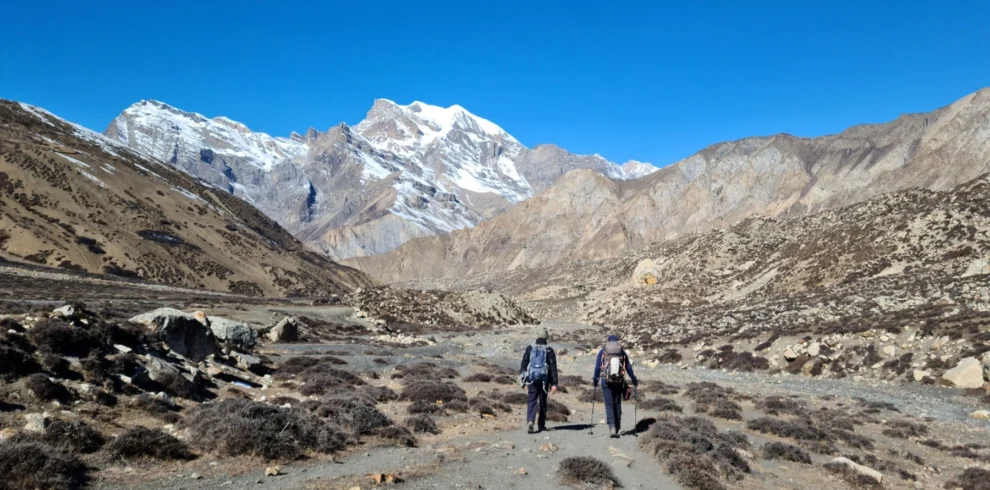
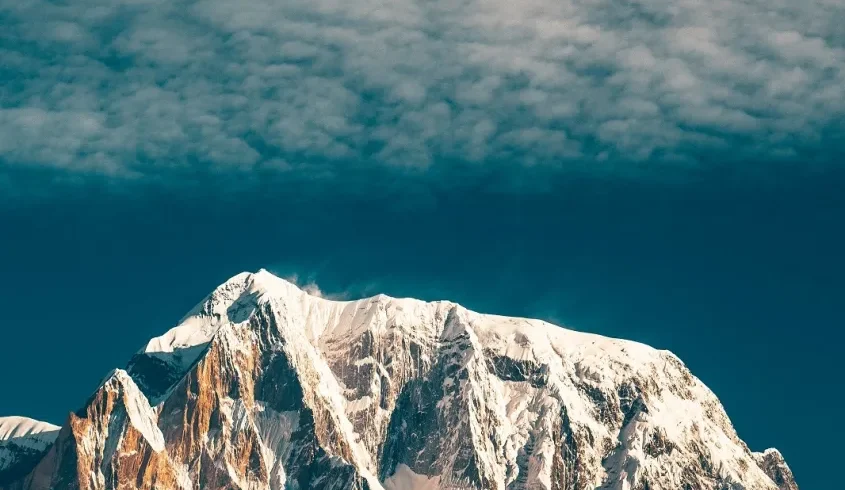
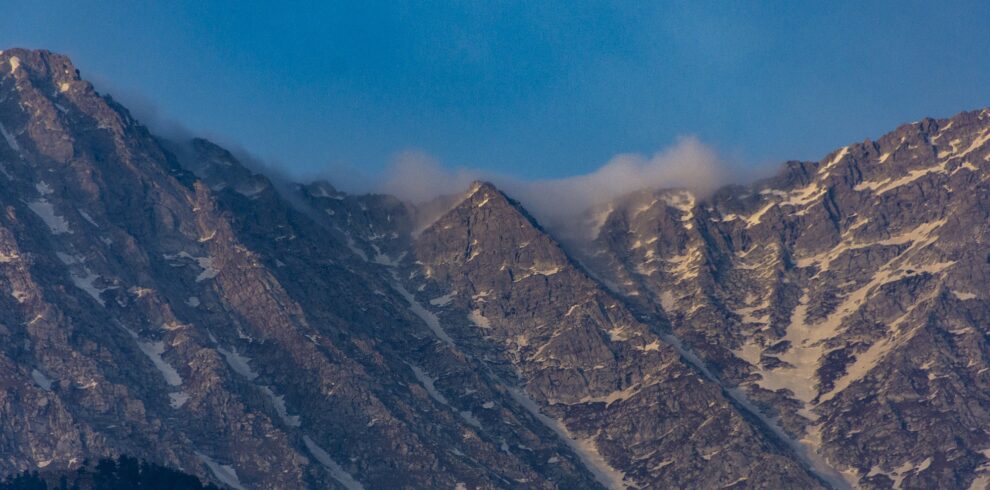
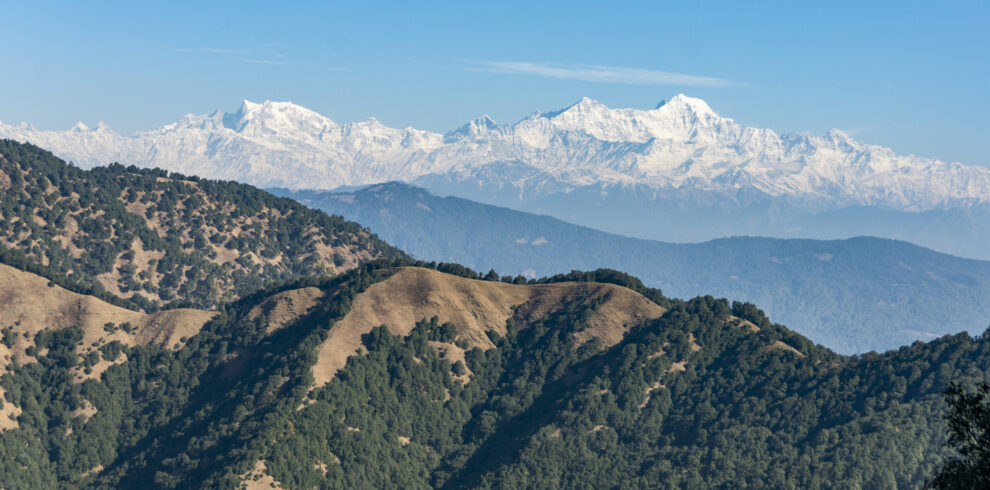
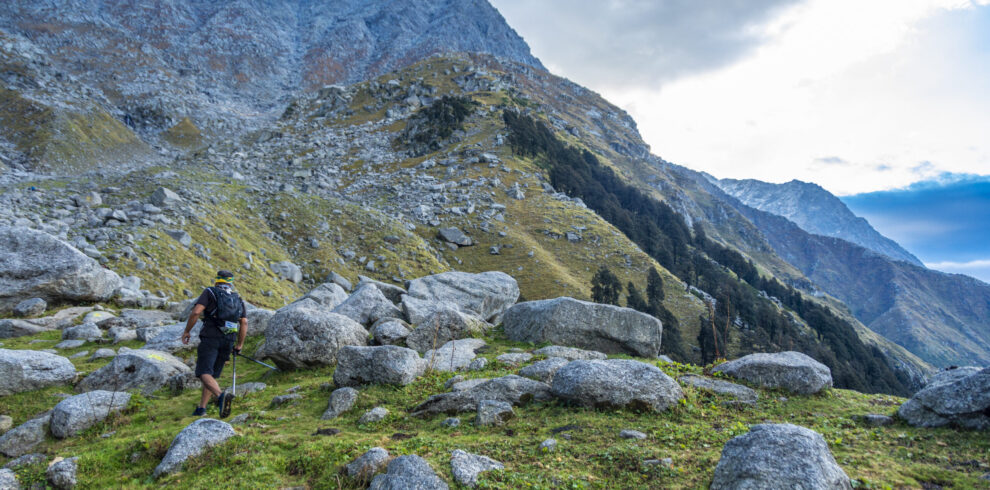
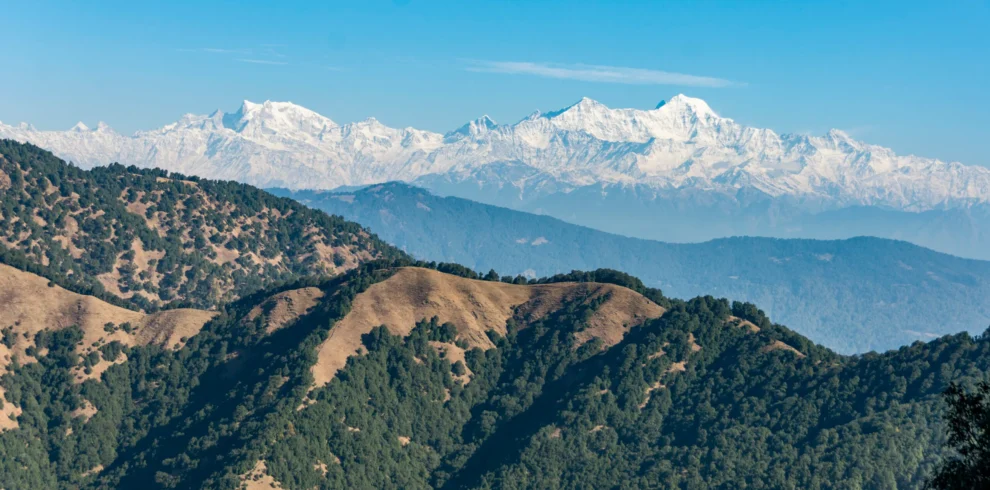
The Mt. Nun Expedition (7,135 m) is one of the most challenging and prestigious high-altitude mountaineering objectives in the Indian Himalayas. Located in the Suru Valley of Ladakh, Mt. Nun is the highest peak of the Nun-Kun massif and offers an exceptional challenge for experienced mountaineers.
This is a full-scale 7,000 m expedition that demands excellent physical conditioning, technical climbing ability, previous high-altitude experience, and strong mental resilience.
The journey begins in Leh, followed by a scenic drive through the Indus Valley and Kargil towards the remote Suru Valley. From Tangol, the team approaches Base Camp before beginning the climbing phase, which involves glacier travel, snow and ice slopes, crevassed terrain, and steep high-altitude sections.
The climbing programme involves establishing three high camps at approximately 5,550 m, 6,100 m, and 6,400 m. Climbers progress through acclimatisation rotations, load carries, and technical climbing phases before making the final summit attempt.
Above 6,000 m, the effects of altitude become increasingly demanding. Long summit days, cold temperatures, changing weather, and reduced oxygen levels require careful pacing, sound judgement, and disciplined teamwork.
Mt. Nun is intended for experienced high-altitude mountaineers who have previous 6,000 m or comparable expedition experience and are ready to take on a serious 7,000 m Himalayan objective.
Note: Prices mentioned are applicable for Indian passport holders. For foreign passport holders, the cost may vary. Please check with the Boots & Crampons team.
Note: An indemnity document will be shared before the expedition and must be signed.
Arrive in Leh and transfer to your hotel. The day is kept relatively easy to allow your body to begin adjusting to the altitude.
After check-in, rest and hydrate well. Depending on your arrival time and how you are feeling, you may take a short, gentle walk around the local area.
Overnight: Hotel in Leh.
Today is dedicated to acclimatisation and expedition preparation.
Explore some of Leh’s important landmarks and surrounding areas, while allowing your body to adjust to the altitude. The team will also conduct an equipment check and a detailed expedition briefing covering the route, climbing plan, safety procedures, and equipment requirements.
Use this opportunity to arrange any last-minute personal supplies before leaving Leh.
Overnight: Hotel in Leh.
Drive from Leh to Kargil through the scenic landscapes of the Indus Valley.
The journey passes through Nimu, Alchi Monastery, and Lamayuru Monastery, offering a glimpse of Ladakh’s distinctive culture, architecture, and mountain terrain.
The drive takes approximately 6–7 hours, depending on road and weather conditions.
Overnight: Hotel in Kargil.
Continue the journey towards Tangol through the beautiful Suru Valley.
As you approach the region, the impressive Nun-Kun massif begins to dominate the landscape. On reaching Tangol, settle into camp and prepare for the trekking and climbing phase.
Overnight: Camp at Tangol.
Today is dedicated to acclimatisation and preparation before moving towards Base Camp.
Undertake an acclimatisation hike in the surrounding terrain, followed by practice sessions as guided by the expedition team.
Review your personal equipment, check your clothing and footwear, and familiarise yourself with the technical gear required for the climb.
Overnight: Camp at Tangol.
Begin the trek from Tangol towards Mt. Nun Base Camp.
The route involves crossing a high pass and travelling through remote mountain terrain and traditional settlements before reaching the Base Camp area.
The trek takes approximately 7 hours, depending on trail conditions and group pace.
On arrival, settle into camp and begin preparing for the expedition phase.
Overnight: Mt. Nun Base Camp.
The day begins with a traditional Puja ceremony, seeking blessings for a safe and successful expedition.
The team will distribute and check climbing equipment, review the climbing plan, and conduct technical training on icy slopes.
Training may include:
Crampon techniques.
Ice axe handling.
Fixed-rope climbing and descending.
Harness, carabiner, and safety-system use.
Movement on snow and ice.
Basic rope procedures and climbing discipline.
The day is also used to prepare equipment and supplies for the higher camps.
Overnight: Mt. Nun Base Camp.
The team will follow a planned programme of acclimatisation rotations, load carries, high-camp establishment, and summit preparation.
The expedition is designed around three high camps:
Camp 1 | Approximately 5,550 m
The first high camp is established as the team progresses from Base Camp towards the upper mountain. The route involves glacier travel and snow-covered terrain. Climbers will need to move carefully and follow the guidance of the climbing team.
Camp 2 | Approximately 6,100 m
The ascent continues towards Camp 2 through increasingly demanding high-altitude terrain. The effects of altitude become more pronounced, making careful pacing, hydration, and energy management essential.
Camp 3 | Approximately 6,400 m
Camp 3 serves as the final staging point for the summit attempt. Climbers prepare for the final ascent through steep snow and ice terrain, depending on prevailing route conditions.
Summit Attempt | Mt. Nun – 7,135 m
The summit push begins according to the weather window and the expedition leader’s assessment.
The final ascent is physically demanding, with steep climbing sections, cold temperatures, and reduced oxygen levels. Participants must maintain a steady pace and follow the climbing team’s safety instructions.
After reaching the summit, descend carefully through the established high camps and return to Base Camp.
The exact number of rotations, load carries, days spent at each camp, and summit schedule will depend on weather, snow conditions, acclimatisation, and the team’s progress.
Overnight: Base Camp and high camps according to the climbing rotation schedule.
After completing the climbing phase, pack your personal belongings and begin the descent from Mt. Nun Base Camp towards Tangol.
Retrace the approach route through the mountain terrain and return to the campsite at Tangol.
Overnight: Camp at Tangol.
After breakfast, drive from Tangol back to Leh.
Enjoy the scenic journey through the Suru Valley and the landscapes of Ladakh. On reaching Leh, check in to your hotel and take time to rest after the expedition.
Overnight: Hotel in Leh.
After breakfast, check out from the hotel and transfer to Leh Airport for your onward journey.
The Mt. Nun Expedition concludes with the experience of attempting one of India’s most demanding 7,000 m mountaineering objectives.
This reserve day provides flexibility in case weather, route conditions, or other operational factors affect the expedition schedule.
Overnight: Hotel in Leh.
Accommodation
Accommodation in a 3-star category hotel in Leh on a twin-sharing basis, as per the itinerary.
Guesthouse or camping accommodation during the trekking and expedition phases, depending on the route and location.
Twin-sharing expedition tents, including at base camp.
Meals
Meals during the trekking and expedition period, as specified in the itinerary.
Nutritious vegetarian meals, including breakfast, lunch, evening tea with snacks, soup, and dinner during the trekking and expedition phase.
Specialised high-altitude meals during the base camp and climbing phases.
Hotel breakfast in Leh, as specified in the final itinerary.
Transportation
Airport pick-up and drop-off in Leh, as per the itinerary.
Ground transportation between Leh and the trek’s starting and ending points.
Expedition-related vehicle transfers specified in the itinerary.
Trek Leadership and Expedition Staff
Experienced Boots & Crampons trek leader and mountain guides.
High-altitude climbing guides for the summit phase.
Expedition cook, kitchen staff, camp setup team, and logistics crew.
Porters, mules, or horses for group equipment and expedition logistics, as arranged by the team.
Camping and Expedition Equipment
Expedition tents on a twin-sharing basis.
Sleeping bags and foam mattresses.
Dining and kitchen tents.
Toilet tent, where applicable.
Kitchen equipment, cooking gear, and utensils.
Technical Climbing Equipment
Climbing ropes and anchors, as required for the route.
Climbing Boots, Crampons, Gaiters, Ice Axe, Harnesses and Helmets, as specified in the expedition equipment plan.
Fixed ropes and associated climbing safety equipment, where required.
Permits and Documentation
Applicable trekking, environmental, forest, and expedition permits.
Relevant administrative and climbing fees covered by the package.
Safety and Medical Support
First-aid medical kit carried by the expedition team.
Emergency oxygen support where required.
Expedition safety coordination and emergency response support.
Additional Benefits
Expedition coordination and logistics management by Boots & Crampons.
Exclusive participant discount on Fast&Up nutrition products.
Expedition completion certificate, where applicable.
Travel to Leh
Airfare or other travel expenses to and from Leh.
Personal Equipment and Gear
Personal trekking clothing, footwear, and accessories.
Personal porter or mule services for carrying individual luggage, available at additional cost where arrangements permit.
Additional load-ferry arrangements between base camp and higher camps, where required and chargeable.
Personal Expenses
Meals during road journeys unless specified in the itinerary.
Bottled water, beverages, snacks, and personal food purchases.
Phone calls, internet usage, laundry, and other personal expenses.
Insurance and Emergency Costs
Personal adventure travel insurance covering high-altitude mountaineering.
Emergency rescue, evacuation, helicopter evacuation, hospitalisation, and medical treatment expenses.
Accommodation Upgrades
Single-occupancy hotel accommodation in Leh at additional cost.
Individual tent accommodation during the trekking or expedition phase at additional cost.
Unforeseen Expenses
Additional costs arising from adverse weather, landslides, road closures, political or environmental conditions, acclimatisation delays, or other unforeseen circumstances.
Expenses resulting from an early exit due to personal or medical reasons.
Additional accommodation, meals, transportation, and staff costs arising from itinerary changes.
Buffer Day / Reserve Day Policy
If the buffer day is not used, the expedition will be completed according to the original itinerary.
If the buffer day is used due to weather, operational, acclimatisation, or safety requirements, additional costs for accommodation, meals, staff, and logistics may apply.
Any additional stay requested by participants beyond the confirmed itinerary will be chargeable.
Staff Tips and Gratuities
Tips and gratuities for trek leaders, mountain guides, porters, and expedition staff.
General Exclusion
Any service, facility, equipment, or expense not explicitly mentioned under inclusions.
At Boots & Crampons, preparation is not optional. Mt. Nun is a demanding 7,000 m mountaineering expedition that requires extensive high-altitude experience, excellent physical conditioning, technical climbing skills, and strong mental resilience.
Physical Fitness
Follow a structured strength and endurance training programme for several months before the expedition.
Build excellent cardiovascular endurance through regular long-distance jogging, cycling, and sustained aerobic exercise.
Practise long uphill hikes while carrying a loaded backpack.
Include regular weight training, focusing on legs, core, and overall body strength.
Develop strong leg muscles through squats, lunges, step-ups, and stability exercises.
Prepare for consecutive days of demanding physical activity and long summit pushes at high altitude.
Previous Experience
Extensive high-altitude trekking and mountaineering experience is mandatory.
Previous successful climbs of 6,000 m peaks or comparable expedition experience are essential.
Participants must be comfortable with glacier travel, crampons, ice axe use, and fixed-rope systems.
Experience with high-altitude camp rotations and load carries is strongly recommended.
Participants must have the ability to manage themselves in demanding mountain conditions.
Selection for this expert-level expedition is at the discretion of Boots & Crampons.
Technical Preparation
Be comfortable moving on snow, ice, and glacier terrain.
Practise ascending and descending fixed ropes using appropriate climbing systems.
Develop confidence in crampon techniques and ice axe use.
Understand the use of harnesses, carabiners, ascenders, and descenders.
Be familiar with crevasse awareness, rope procedures, and safe glacier movement.
Attend all technical training and briefings organised by the expedition team.
Mental Preparation and Altitude
Develop the mental resilience required for extended periods at high altitude.
Be prepared for cold temperatures, limited facilities, and physically demanding climbing days.
Maintain patience and discipline during acclimatisation rotations and load carries.
Follow the expedition leader’s instructions and respect all safety decisions.
Understand that summit attempts may be postponed or cancelled depending on weather, route conditions, and participant health.
Final Preparation
Ensure all personal mountaineering equipment is suitable for a 7,000 m expedition.
Check the compatibility and condition of mountaineering boots, crampons, ice axe, harness, and helmet.
Train with the actual equipment and clothing intended for the expedition.
Complete all required medical assessments and insurance arrangements before departure.
Follow the final equipment checklist and training guidance shared by Boots & Crampons.
Proper preparation increases not just your chances of success, but also your safety and enjoyment in the mountains.
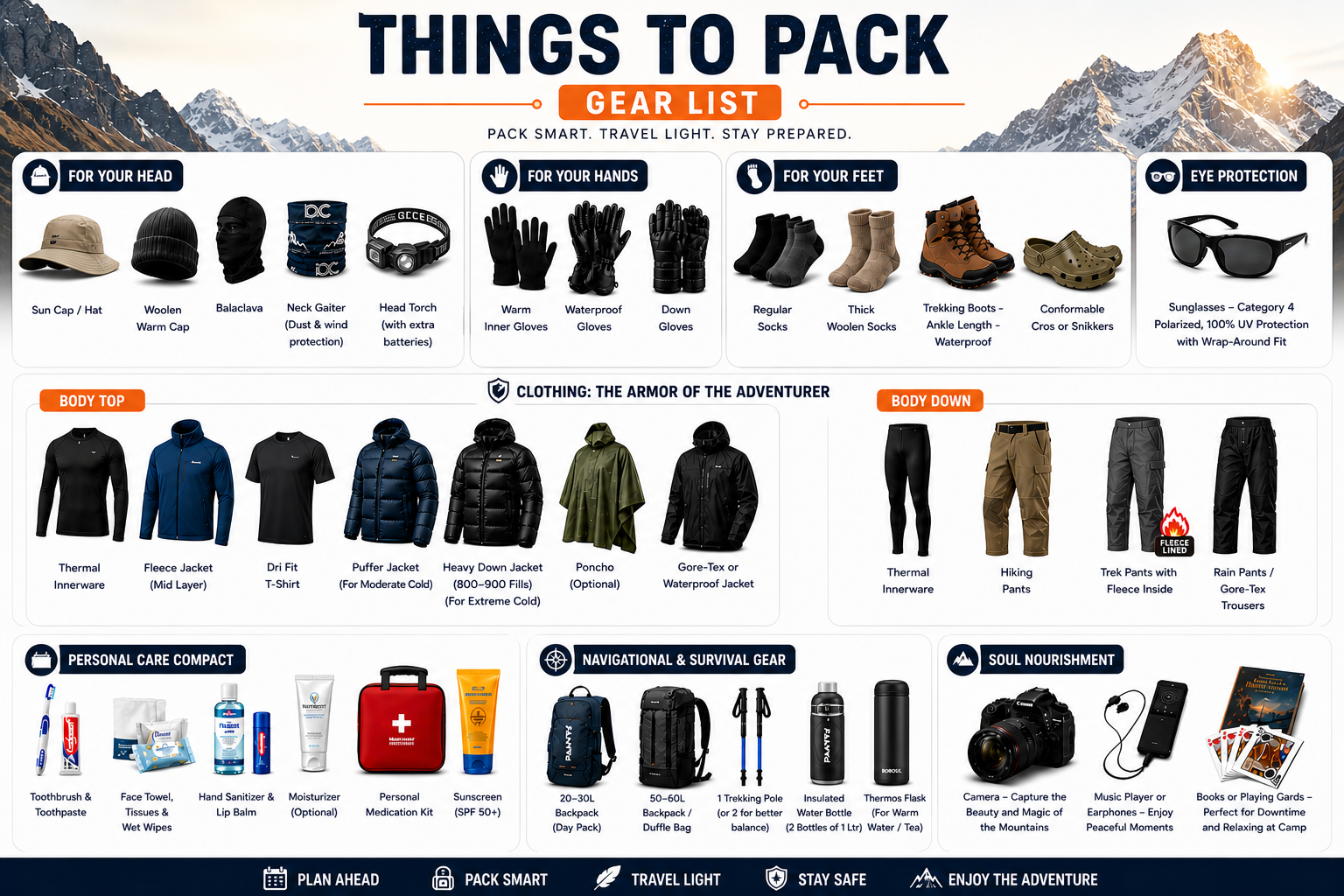
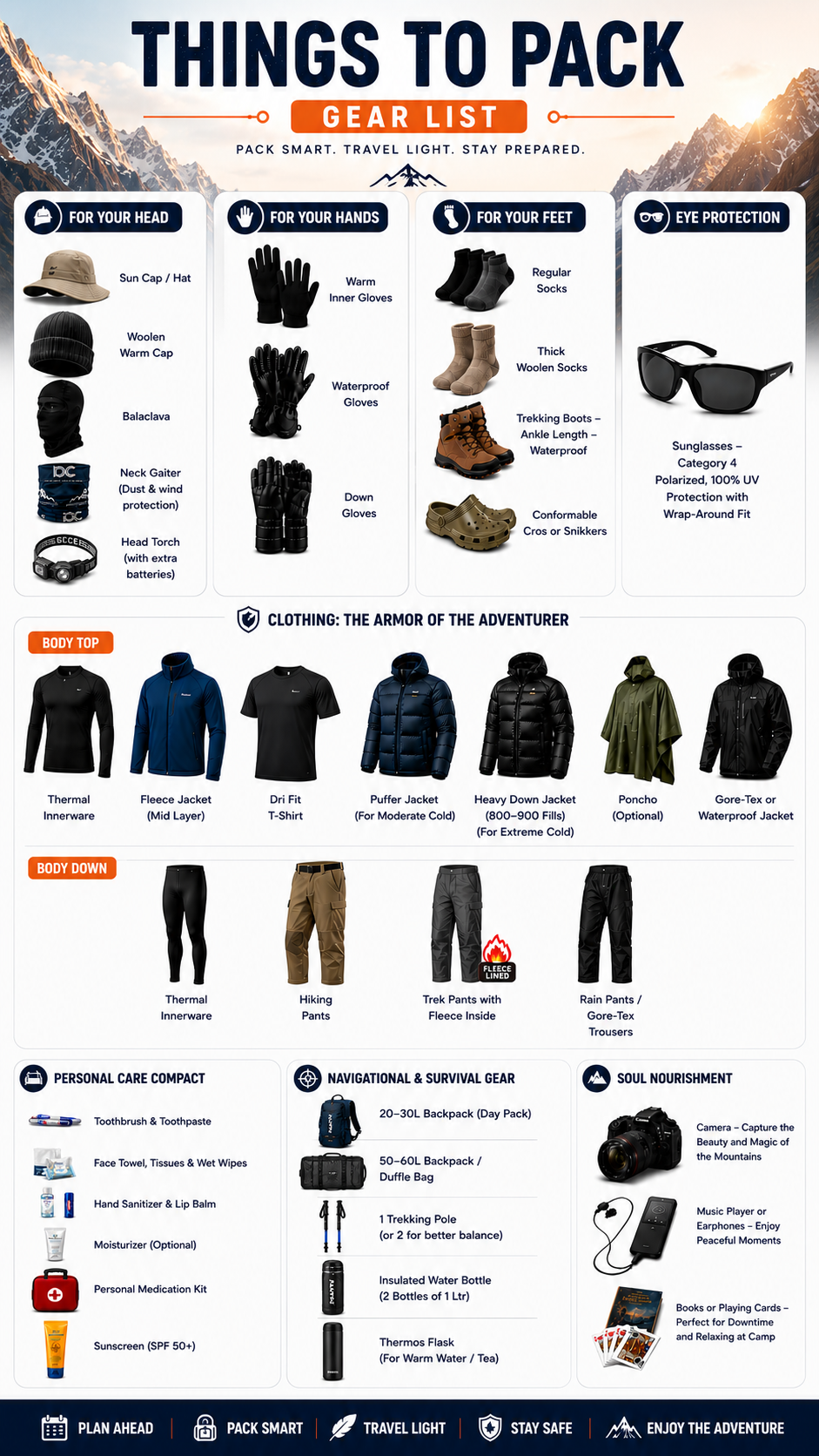

For rental bookings and additional equipment support, visit our contracted business partner — Summit Yak Official Website
Mt. Nun involves demanding high-altitude mountaineering terrain, including:
Snowfields and glaciers.
Crevassed glacier sections.
Steep snow and ice slopes.
Exposed ridgelines.
Technical climbing sections.
Fixed-rope climbing and descending.
Participants should be comfortable with glacier travel and technical mountaineering equipment.
The summit of Mt. Nun stands at approximately 7,135 m (23,409 ft), making it one of the highest peaks in India.
The expedition involves spending extended periods above 5,000 m and establishing camps at approximately 5,550 m, 6,100 m, and 6,400 m.
Mt. Nun is a hard and technically demanding 7,000 m expedition.
It requires excellent physical fitness, extensive high-altitude experience, technical climbing ability, and the capacity to function in extreme cold and low-oxygen conditions.
It is not suitable for beginners or trekkers without previous mountaineering experience.
Yes. Extensive high-altitude mountaineering experience is mandatory.
Participants should have:
Previous successful experience on 6,000 m peaks or comparable expeditions.
Familiarity with crampons and ice axe techniques.
Experience with fixed-rope climbing and descending.
Glacier travel and rope-system knowledge.
Experience with high-altitude camping and load carries.
Final selection is subject to the assessment and approval of the Boots & Crampons expedition team.
The usual climbing season is June to August, subject to weather, snow conditions, and route accessibility.
The final departure schedule will depend on the expedition team’s operational assessment.
The published expedition duration is 22 days.
It includes:
Arrival and acclimatisation in Leh.
Travel to Kargil and Tangol.
Trekking to Base Camp.
Technical training and acclimatisation.
High-camp establishment and climbing rotations.
Summit attempt and descent.
Return to Leh and a buffer day.
The climbing period is flexible and may change depending on weather and mountain conditions.
Participants must have excellent cardiovascular endurance, strong leg and core strength, and the ability to handle consecutive days of demanding activity.
Training should include:
Long-distance endurance sessions.
Uphill hiking with a loaded backpack.
Strength and conditioning.
Core stability.
Technical snow and ice practice.
Refer to the Preparation Guide for detailed training requirements.
Essential equipment includes:
High-altitude mountaineering boots.
Crampons.
Ice axe.
Harness and helmet.
Ascenders and descenders.
Carabiners and personal safety systems.
Suitable high-altitude clothing and sleeping bag.
The final equipment checklist will be shared by Boots & Crampons before departure. Confirm which technical equipment is provided under the expedition package.
The expedition plan includes three high camps:
Camp 1: approximately 5,550 m.
Camp 2: approximately 6,100 m.
Camp 3: approximately 6,400 m.
The climbing team establishes these camps through planned load carries and acclimatisation rotations. The actual schedule depends on weather, route conditions, and the team’s progress.
Water must always be treated or purified before drinking. The expedition kitchen team arranges drinking water during the expedition, but participants should carry personal purification tablets or a suitable filter as backup.
Emergency oxygen support is planned for high-altitude climbing where required. The availability, quantity, and deployment arrangements should be confirmed with the expedition team during the pre-expedition briefing.
Mt. Nun is a serious 7,000 m expedition, and the summit attempt depends on suitable weather, snow conditions, route safety, and the team’s assessment.
The itinerary includes a flexible climbing period and a buffer day, but summit success cannot be guaranteed. The expedition leader has the authority to modify or cancel a summit attempt if conditions are unsafe.
A dedicated WhatsApp group will be created for preparation and coordination queries.
Zoom briefing sessions will be conducted to:
Explain the expedition itinerary.
Discuss technical requirements.
Review equipment and packing lists.
Clarify individual preparation questions.
Each session will include a Q&A segment.
Mt. Nun is an elite high-altitude mountaineering objective that demands experience, preparation, discipline, and sound decision-making. Participants should carefully review the experience requirements and ensure they are fully prepared before registering.
Boots & Crampons staff of highly trained professional guides is here to make your journey as safe and secure as possible. All of our trekking guides are medically certified and have abundant experience using their training in mountainous environments.
Our safety standards are based on the experiences of our founder, managing risk in some of the world’s most hostile environments.
While we advise our trekkers to carry light, our guides are always prepared with:
Be it queries about the trek, customization or anything else, our team is eager to assist you.
Need your questions answered right away?
Get in touch with us at
Discover similar treks from Boots & Crampons that quench your thirst for adventure.

Discover similar treks from Boots & Crampons that quench your thirst for adventure.