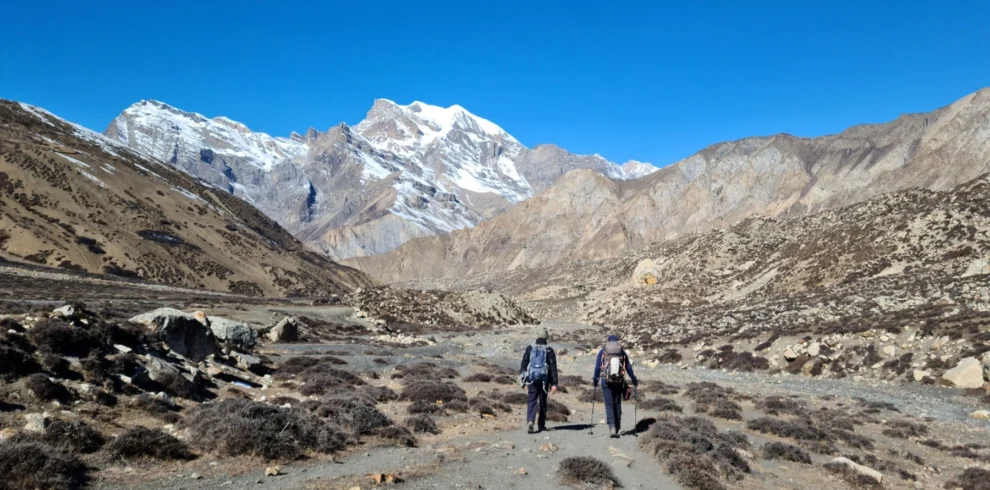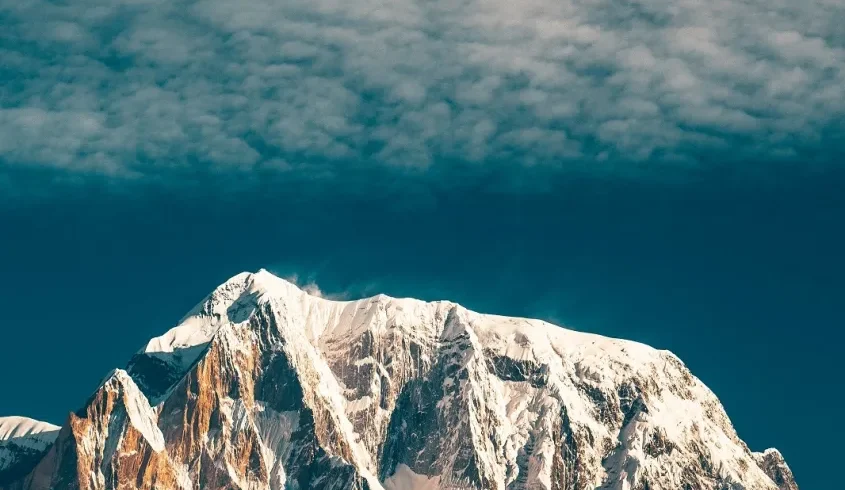
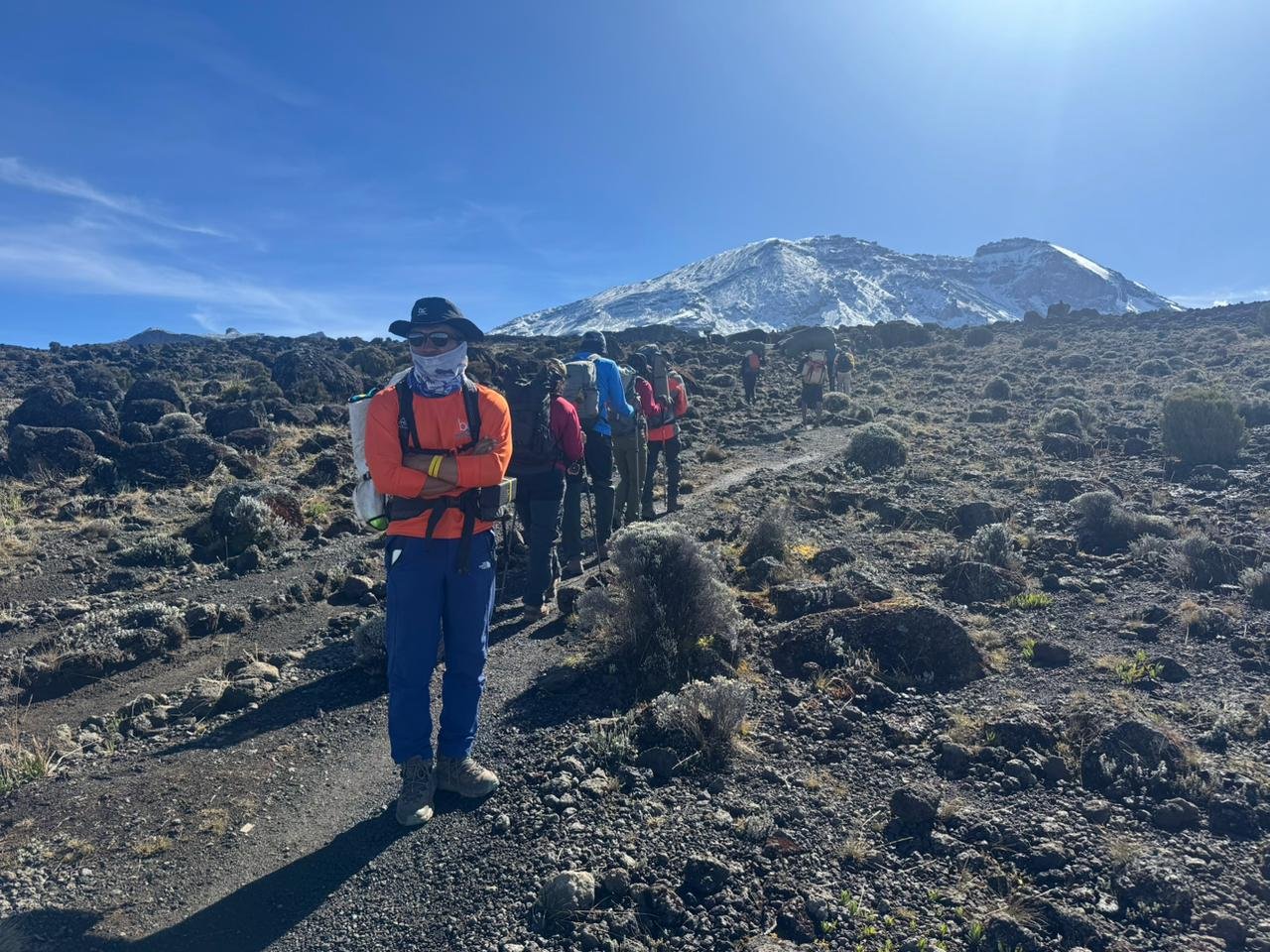
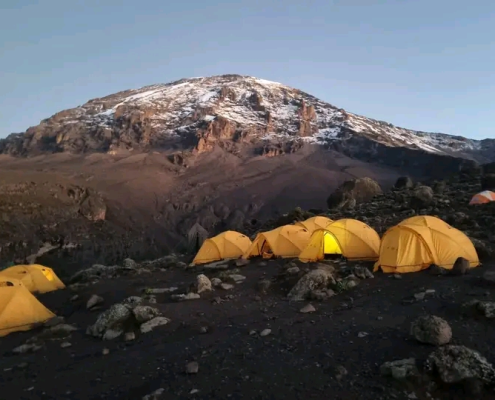

Mount Kilimanjaro, rising to 5,895 metres above sea level, is Africa’s highest mountain and one of the world’s most recognised high-altitude trekking objectives. Located in Tanzania, the mountain offers an extraordinary journey through several ecological zones, from lush tropical rainforest to open moorlands, alpine desert and the cold, exposed summit region.
The Lemosho Route approaches Kilimanjaro from the west and is known for its scenic landscapes and gradual progression across the mountain. Over the course of the expedition, participants cross the Shira Plateau, pass the striking Lava Tower and descend to Barranco Camp before continuing towards the high camps for the summit attempt.
The route is designed to provide time for acclimatisation, an important part of preparing for the mountain’s extreme altitude. Despite the absence of technical climbing on the standard route, the expedition demands strong physical endurance, mental resilience and the ability to manage long days of walking at progressively higher elevations.
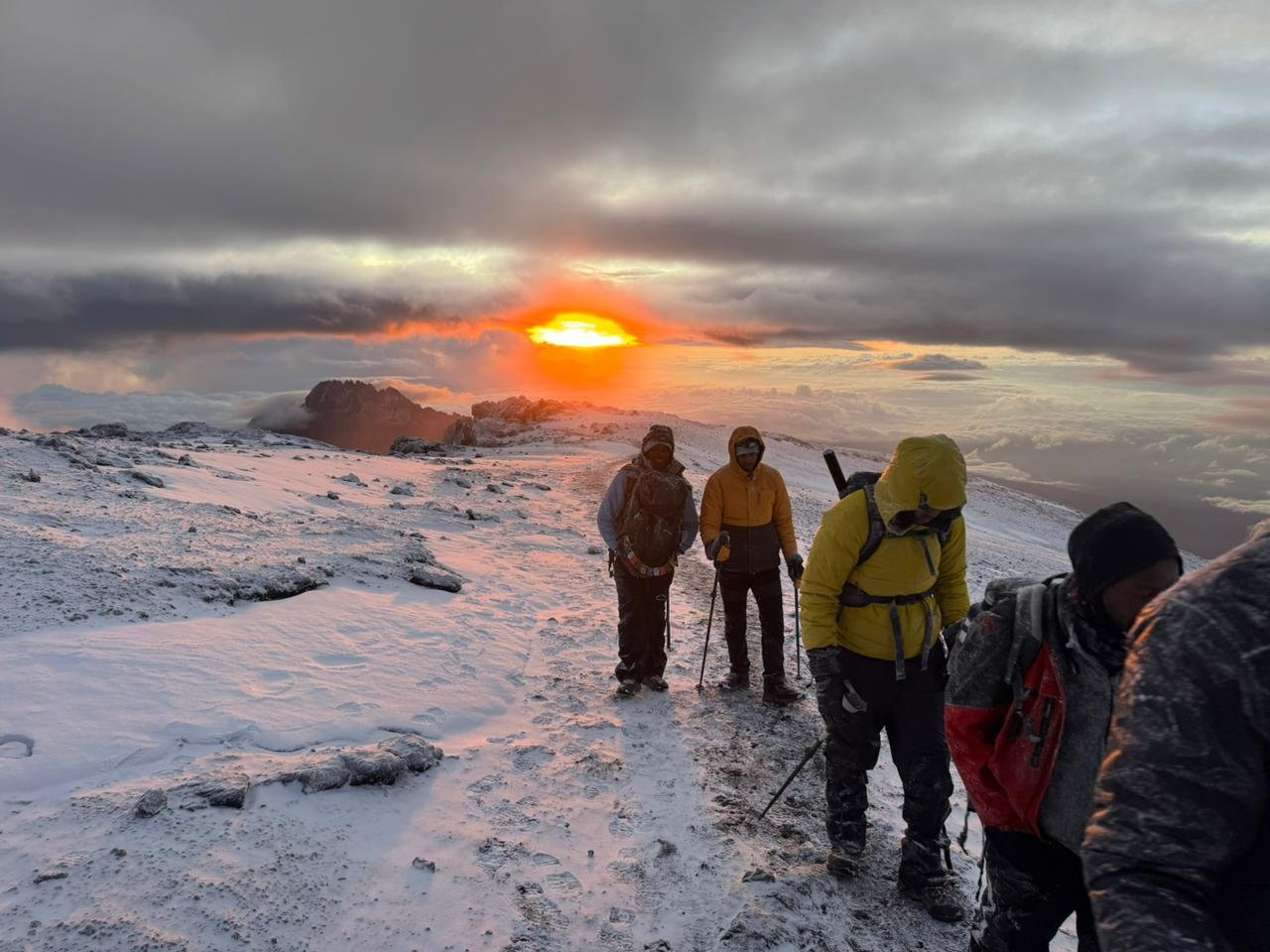
The summit attempt begins during the night, with climbers ascending towards Stella Point before continuing to Uhuru Peak at 5,895 metres. The combination of altitude, cold, darkness and fatigue makes this the most demanding stage of the expedition.
This expedition is suited to participants with a consistent fitness routine, good hiking endurance and a responsible approach to high-altitude trekking. Previous high-altitude experience is strongly recommended, and participants should arrive well prepared for the physical and environmental demands of the climb.
Note: Prices mentioned are applicable for Indian passport holders. For foreign passport holders, the cost may vary. Please connect with the Boots & Crampons team for clarity.
Note: An indemnity document will be shared before the expedition. Signing it is mandatory.
Check out the route, time, and distance recorded on Strava during our last climb to Kilimanjaro via the Lemosho route:
Kilimanjaro Expedition December ’24 – Strava Activity
Airport transfer: Approximately 45–60 minutes
Trekking distance: No trekking scheduled
Overnight stay: Hotel in Moshi
Arrive at Kilimanjaro International Airport (JRO), where you will be welcomed by our expedition representative and transferred to your hotel in Moshi.
After check-in, spend the day resting and recovering from your journey. An expedition briefing will cover the route, safety procedures, altitude management and the equipment required for the climb. The team will also conduct a gear check to ensure you are prepared for the expedition.
Overnight: Hotel in Moshi.
Drive: Approximately 3–4 hours, subject to road and registration conditions
Trek distance: Approximately 6 km
Trek duration: 3–4 hours
Altitude: Starting trailhead approximately 2,100–2,400 m; camp at approximately 2,650 m
Overnight stay: Mti Mkubwa Camp
After breakfast, depart Moshi and drive towards the western entrance of Kilimanjaro National Park. Complete the necessary registration and park formalities before continuing to the designated Lemosho trailhead.
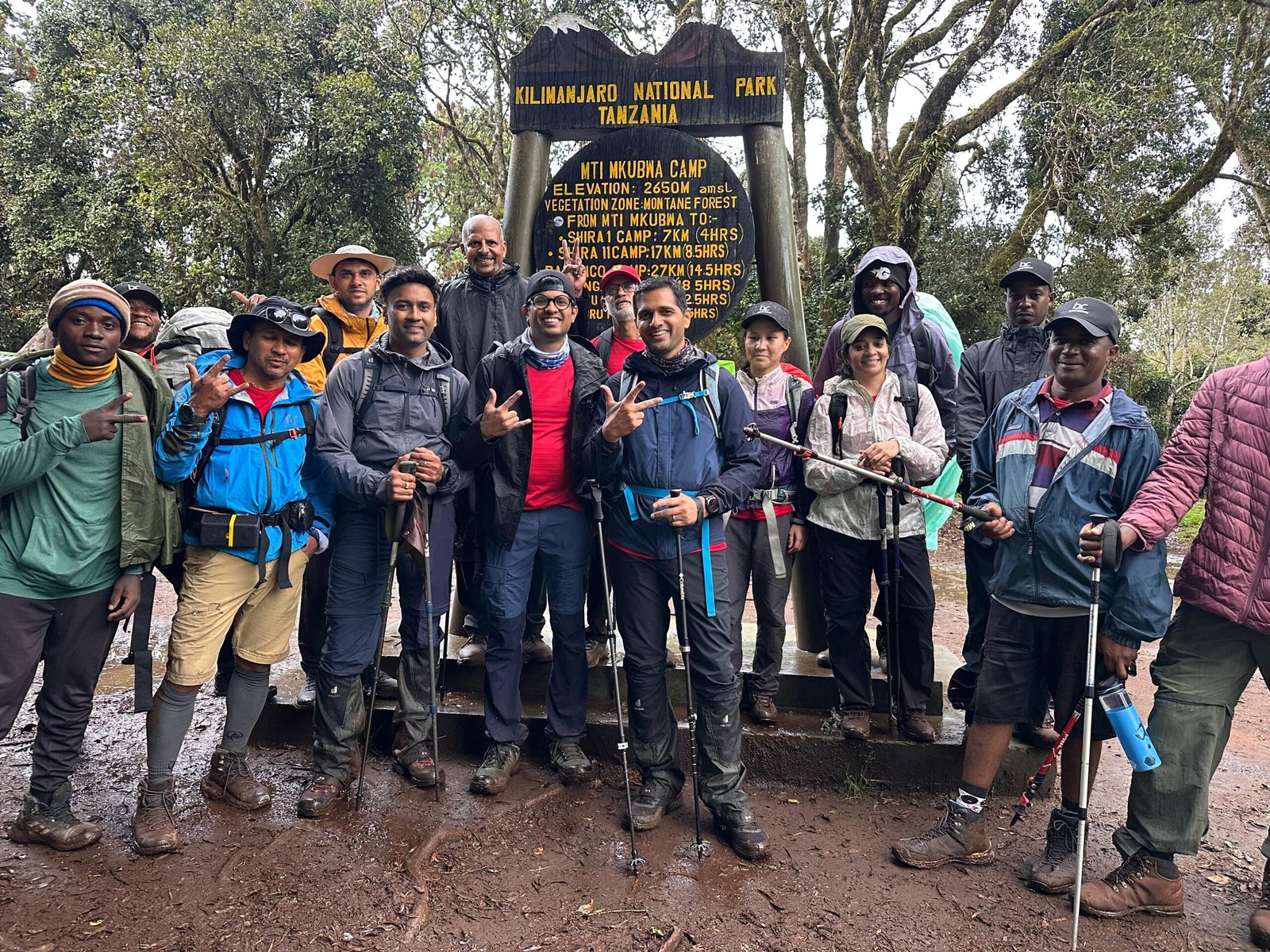
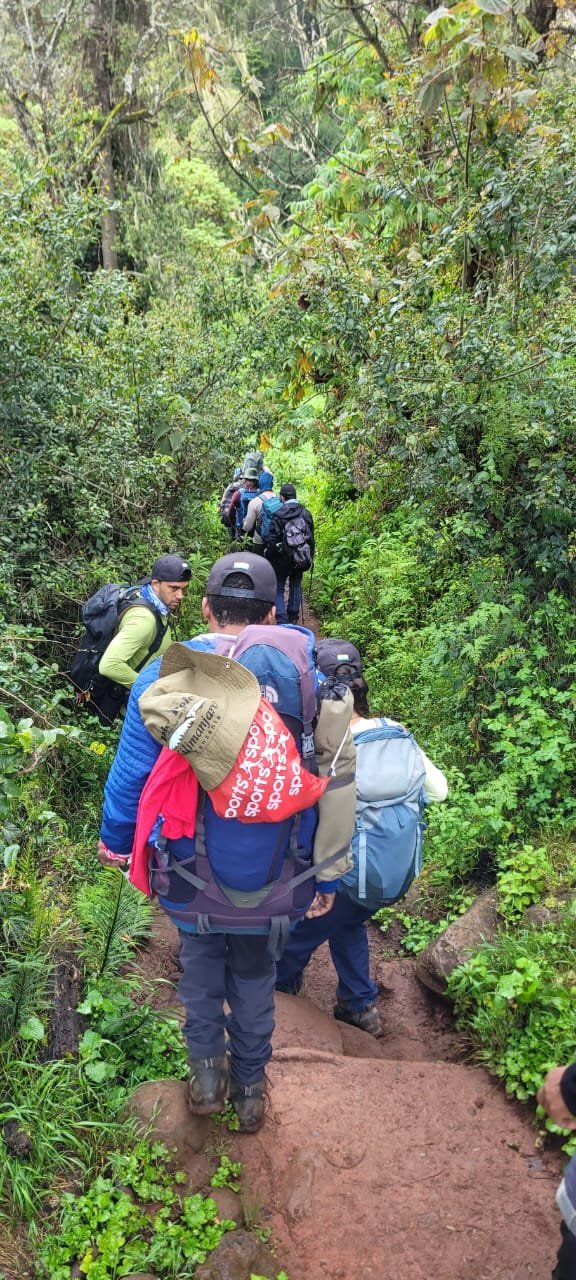
Begin the trek through the lush montane rainforest, following a gradual trail beneath a dense canopy of trees. The forest is home to a variety of birdlife and other wildlife, and the early stages offer a quieter introduction to the mountain.
Continue towards Mti Mkubwa, also known as Big Tree Camp, where the team will have established camp for the night.
Overnight: Mti Mkubwa Camp.
Trek distance: Approximately 8 km
Trek duration: 5–6 hours
Altitude gain: Approximately 855 m
Overnight stay: Shira Camp 1
After breakfast, leave the rainforest behind and ascend towards the moorland zone. The landscape gradually changes to open hills, tall grasses, heather and volcanic terrain.
The trail crosses streams and climbs towards Shira Ridge before descending gently onto the Shira Plateau. As the vegetation becomes more sparse, the views open towards Kibo, the main summit cone of Kilimanjaro.
Reach Shira Camp 1 and settle in for the evening. Continue drinking water regularly and follow the guides’ instructions as your body adjusts to the increasing altitude.
Overnight: Shira Camp 1.
Trek distance: Approximately 8 km
Trek duration: 4–6 hours
Altitude gain: Approximately 345 m
Overnight stay: Shira Camp 2
Today, traverse the expansive Shira Plateau towards Shira Camp 2. The route passes through open moorland with views across the plateau and towards Kilimanjaro’s volcanic peaks.
Although the altitude gain is relatively gradual, the elevation makes it important to maintain a steady pace. The day also allows time to observe the changing landscape and continue acclimatising before moving towards the higher sections of the route.
Arrive at Shira Camp 2, where the team will set up camp and prepare for the following day’s trek towards Lava Tower and Barranco Camp.
Overnight: Shira Camp 2.
Trek distance: Approximately 10 km
Trek duration: 6–8 hours
Highest point reached: Approximately 4,600 m at Lava Tower
Overnight stay: Barranco Camp
Depart Shira Camp 2 and continue eastwards through increasingly rugged alpine terrain. The route climbs towards Lava Tower, a distinctive volcanic rock formation at approximately 4,600 metres.
A break is taken near Lava Tower before beginning the descent towards Barranco Camp. This ascent followed by a descent is an important part of the acclimatisation strategy, allowing participants to reach a higher elevation during the day while sleeping at a lower altitude.
The descent leads into a dramatic landscape of rocky slopes and giant groundsels, with the imposing Barranco Wall visible near camp.
Overnight: Barranco Camp.
Trek distance: Approximately 5 km
Trek duration: 4–5 hours
Overnight stay: Karanga Camp
Begin the day by climbing the Barranco Wall, a steep and exposed section that requires careful foot placement and the use of hands for balance in places. It is not a technical rock-climbing route, but participants must follow the guide’s instructions and move at a controlled pace.
After crossing the wall, continue along a series of ridges and valleys towards Karanga Camp. The route includes undulating terrain, with several ascents and descents despite the relatively small difference between the starting and ending elevations.
Arrive at Karanga Camp, where the team will prepare meals and allow time to rest and recover before the final approach to the high camp.
Overnight: Karanga Camp.
Trek distance: Approximately 4 km
Trek duration: 4–5 hours
Altitude gain: Approximately 670 m
Overnight stay: Barafu Camp
After breakfast, begin the ascent towards Barafu Camp, following a rocky trail through the alpine desert zone. The route gradually gains elevation as the vegetation becomes increasingly sparse and the terrain more exposed.
Reach Barafu Camp, the main high camp used for the summit attempt. After arriving, have an early meal, organise summit equipment and attend the final briefing with the guides.
The remainder of the day is dedicated to rest and preparation. The summit attempt begins late at night or around midnight, so conserving energy and following the team’s instructions are essential.
Overnight: Barafu Camp.
Trek distance: Approximately 16–20 km in total, depending on the precise route and camp logistics
Trek duration: Approximately 12–15 hours
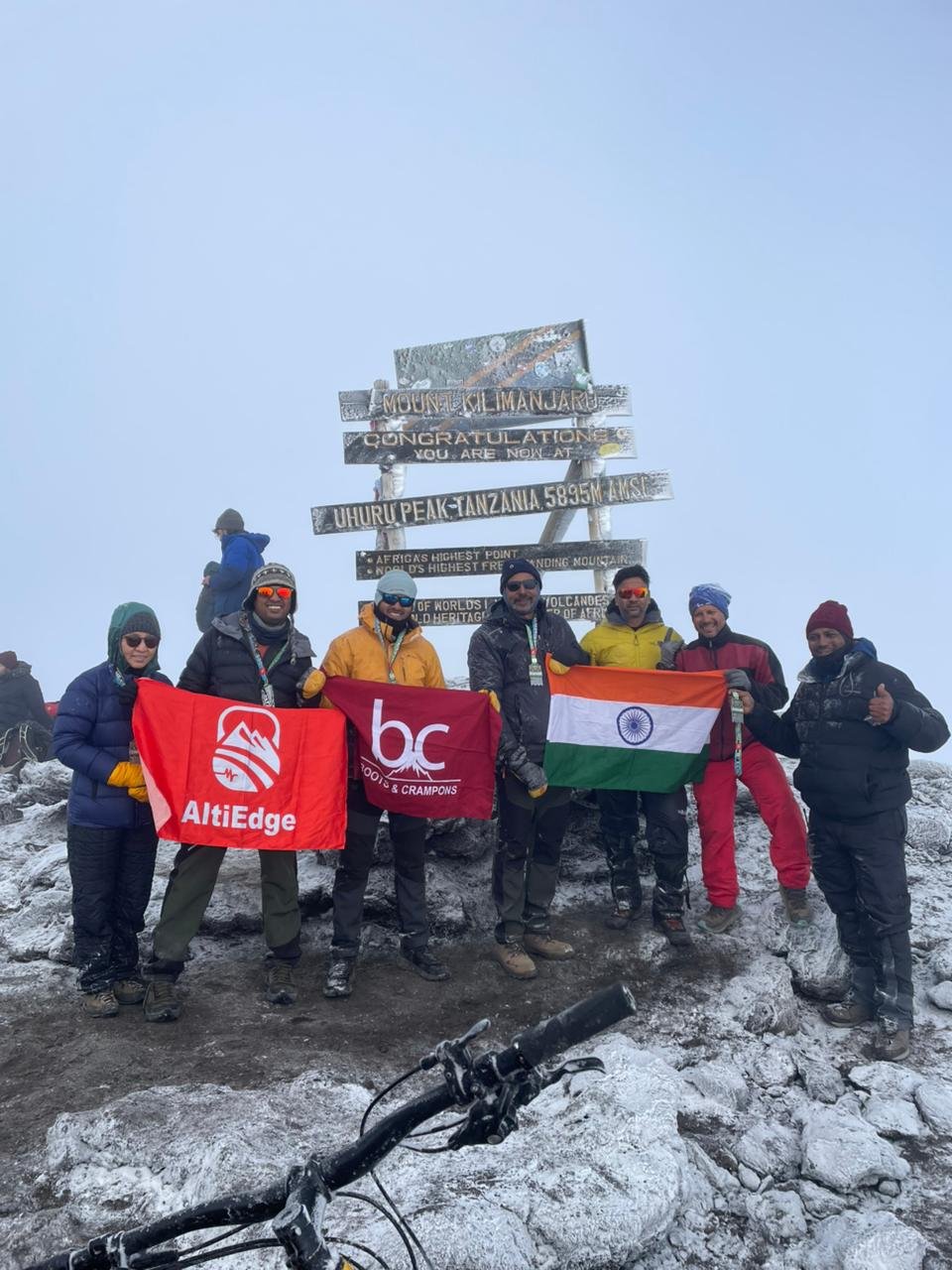
Highest altitude: 5,895 m at Uhuru Peak
Overnight stay: Mweka Camp
The summit attempt begins around midnight. Trek slowly across steep volcanic scree and rocky switchbacks towards Stella Point on the crater rim, at approximately 5,756 metres.
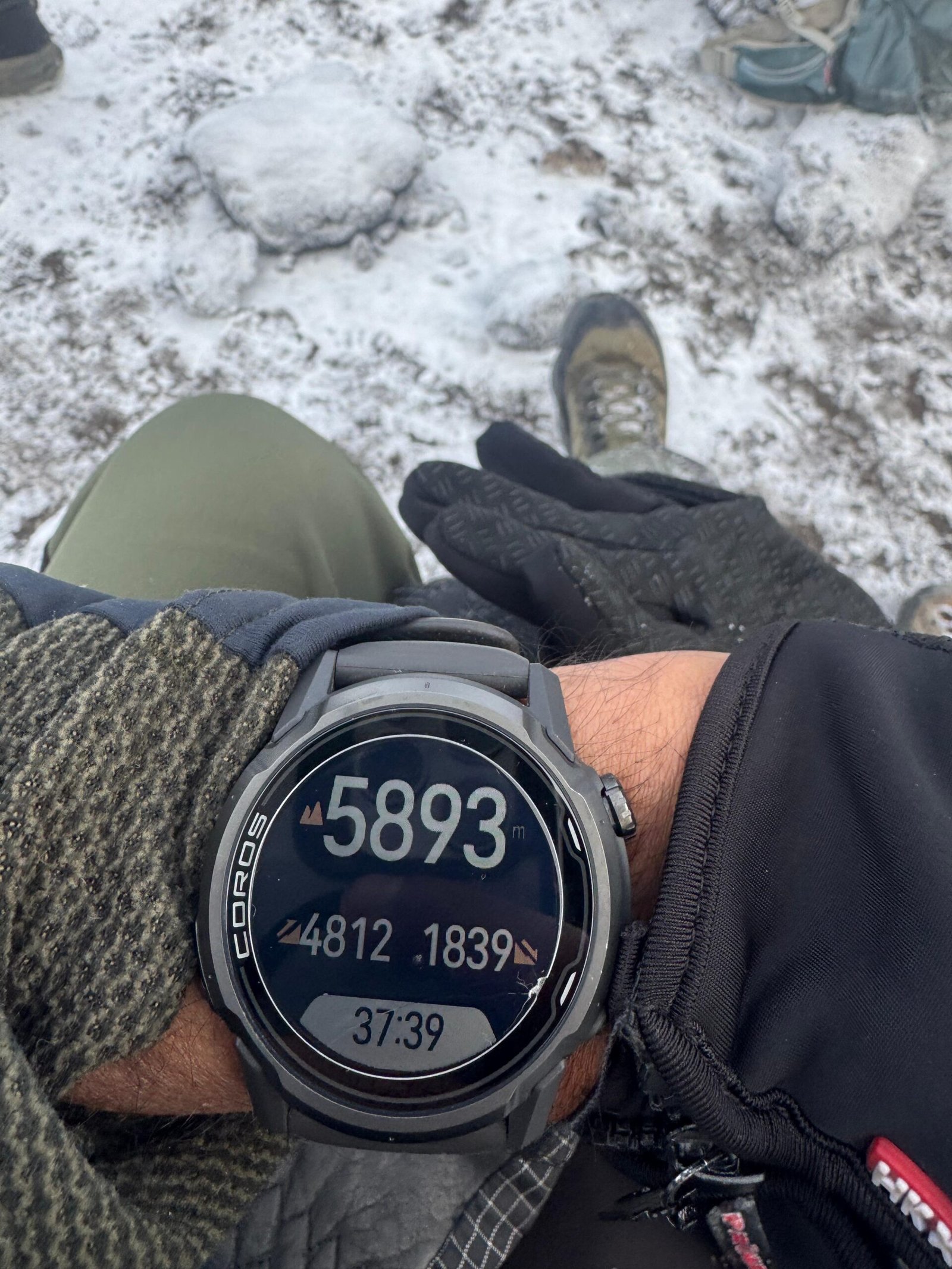
After a short rest, continue along the crater rim towards Uhuru Peak, the highest point in Africa, at 5,895 metres. Weather permitting, the summit offers extraordinary views across the mountain and surrounding landscape.
After time at the summit for photographs and celebration, begin the descent towards Barafu Camp for a short rest and refreshments. Continue descending through the alpine desert and into the upper moorland towards Mweka Camp.
This is the longest and most demanding day of the expedition. Cold, darkness, altitude and cumulative fatigue can make progress slow. The guide may adjust the pace or turnaround time in the interest of participant safety.
Overnight: Mweka Camp.
Trek distance: Approximately 10 km
Trek duration: 3–5 hours
Drive to Moshi: Approximately 1–2 hours after reaching the designated pickup point
Overnight stay: Hotel in Moshi
After breakfast, begin the final descent through the lush rainforest towards Mweka Gate. The trail can be wet, muddy or slippery, so trekking poles and suitable footwear can be helpful.
On reaching the gate, complete the park formalities and collect your official summit certificate, subject to the applicable park requirements and the altitude reached.
Meet the vehicle for the return transfer to Moshi. On arrival, check in to the hotel and enjoy a well-earned rest after completing the mountain portion of the expedition.
Overnight: Hotel in Moshi.
Airport transfer: Approximately 45–60 minutes
Trekking distance: No trekking scheduled
After breakfast, check out of the hotel and transfer to Kilimanjaro International Airport for your onward flight.
Hotel check-out and transfer timing will depend on your flight schedule. Additional accommodation or transfers outside the expedition itinerary may incur extra charges.
This marks the end of the Mount Kilimanjaro expedition with Boots & Crampons.
Twin-sharing hotel accommodation in Moshi or Arusha, as specified in the itinerary.
Twin-sharing expedition tents during the mountain trek.
Camping infrastructure, including sleeping tents, dining tent and kitchen tent.
Portable toilet tents where provided by the expedition operator.
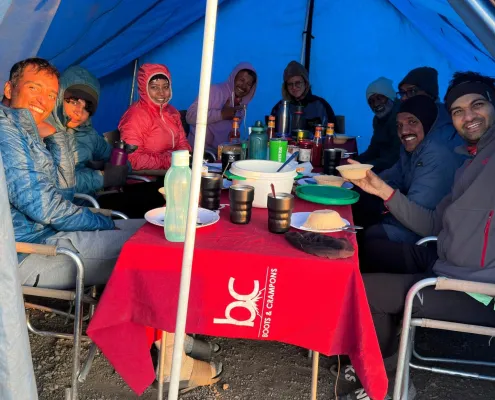
Meals during the mountain expedition, from dinner before the climb through breakfast after the descent, as specified in the itinerary.
Breakfast, lunch, evening snacks and dinner during the trekking phase.
Filtered or treated drinking water during trekking days.
Airport pick-up and drop-off at Kilimanjaro International Airport.
Transfers between the airport, hotel and designated trek start/end points.
Other ground transportation explicitly included in the itinerary.
Experienced Boots & Crampons expedition leader and licensed local mountain guides.
Assistant guides, expedition cook and kitchen staff.
Porters to carry camping equipment, food supplies and group gear, within applicable load limits.
Twin-sharing expedition tents and sleeping mats.
Dining and kitchen tents.
Cooking equipment and kitchen supplies.
Portable toilet tent where provided.
Applicable Kilimanjaro National Park entry and conservation fees.
Camping fees and mandatory park charges.
Applicable rescue fees and crew permits.
First-aid kit carried by the expedition team.
Emergency oxygen cylinder for emergency use.
Pulse oximeter checks and routine altitude-related health monitoring by the guides.
Emergency response and evacuation coordination where required.
Pre-expedition briefing and preparation guidance.
Expedition logistics and coordination by Boots & Crampons.
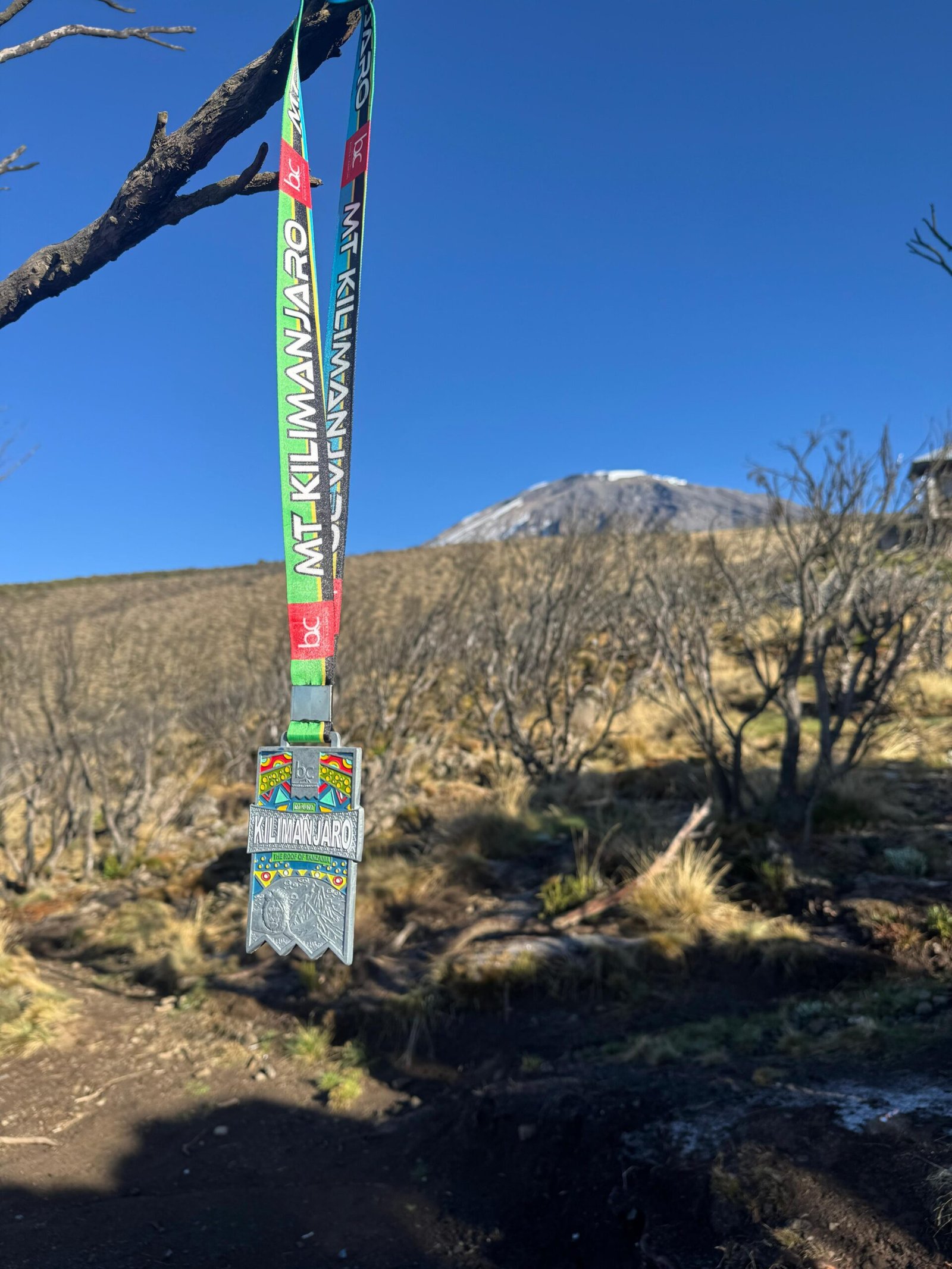
Official Kilimanjaro summit certificate, subject to park requirements and the altitude reached.
Boots & Crampons trek completion certificate, subject to applicable completion criteria.
Exclusive participant discounts on Fast&Up products.
International airfare to and from Kilimanjaro International Airport.
Any additional flights or transfers not specified in the itinerary.
Tanzania visa fees and related documentation expenses.
Passport renewal and other personal travel-document costs.
Personal trekking boots, clothing and thermal layers.
Down jacket, gloves, hats and other personal cold-weather gear.
Trekking poles, headlamp and spare batteries.
Personal backpack, duffel bag and accessories.
Any personal gear rental charges.
Additional porter services for personal luggage exceeding the included porter allowance.
Personal snacks and drinks outside the included meals.
Laundry, phone calls, internet charges and souvenirs.
Personal purchases and other incidental expenses.
Personal travel insurance, including cover for high-altitude trekking, emergency evacuation and medical treatment.
Medical expenses, hospitalisation and evacuation costs not covered by the expedition package or the participant’s insurance.
Single-room supplements.
Hotel nights or other accommodation beyond the published itinerary.
Costs arising from flight delays or cancellations.
Additional accommodation, meals or transport resulting from circumstances outside the expedition team’s control.
Expenses arising from early departure or withdrawal from the expedition.
Additional costs caused by changes to park regulations or other unavoidable circumstances.
Tips for guides, assistant guides, porters, cooks and other expedition staff. Recommended tipping guidelines will be shared during the briefing.
Any service, equipment, expense or activity not explicitly listed under Inclusions is excluded from the package.
Please read carefully before registering.
Mount Kilimanjaro is a demanding high-altitude expedition. Although the standard Lemosho Route does not require technical climbing skills, participants must be prepared for long trekking days, significant altitude exposure, cold temperatures and a strenuous summit attempt.
Follow a structured fitness programme for at least 2–3 months before departure.
Build cardiovascular endurance through brisk walking, hiking, jogging, cycling or similar activities.
Include long walks and uphill sessions in your training routine.
Develop leg and core strength through exercises such as squats, lunges, step-ups and controlled strength training.
Practise walking on uneven terrain for several consecutive hours.
Gradually increase the duration of training hikes.
Train with a daypack carrying the approximate weight you expect to use during the expedition.
Practise walking uphill and downhill to prepare for sustained ascents and long descents.
Previous high-altitude trekking experience is strongly recommended.
Understand that physical fitness does not eliminate the risk of altitude sickness.
Follow the guide’s pacing, acclimatisation and health-monitoring instructions.
Report headache, nausea, dizziness, unusual fatigue or breathlessness promptly to the guide.
Be prepared for a night-time start and a prolonged day of walking.
Train for sustained effort when tired, while maintaining safe and realistic limits.
Keep your headlamp, spare batteries, warm layers, gloves and other essential items accessible.
Follow the guide’s turnaround decisions and safety instructions without exception.
Carry suitable base layers, insulating layers and waterproof outerwear.
Bring warm gloves, a hat, a balaclava and appropriate trekking socks.
Use broken-in trekking boots with good grip.
Refer to the final packing list provided by Boots & Crampons.
Prepare for basic mountain living, variable weather and limited personal comforts.
Maintain a steady pace and cooperate with the expedition team.
Be flexible if weather, health or park conditions require itinerary adjustments.
A structured training routine, appropriate equipment and a responsible approach to altitude are essential for a safer and more rewarding expedition.
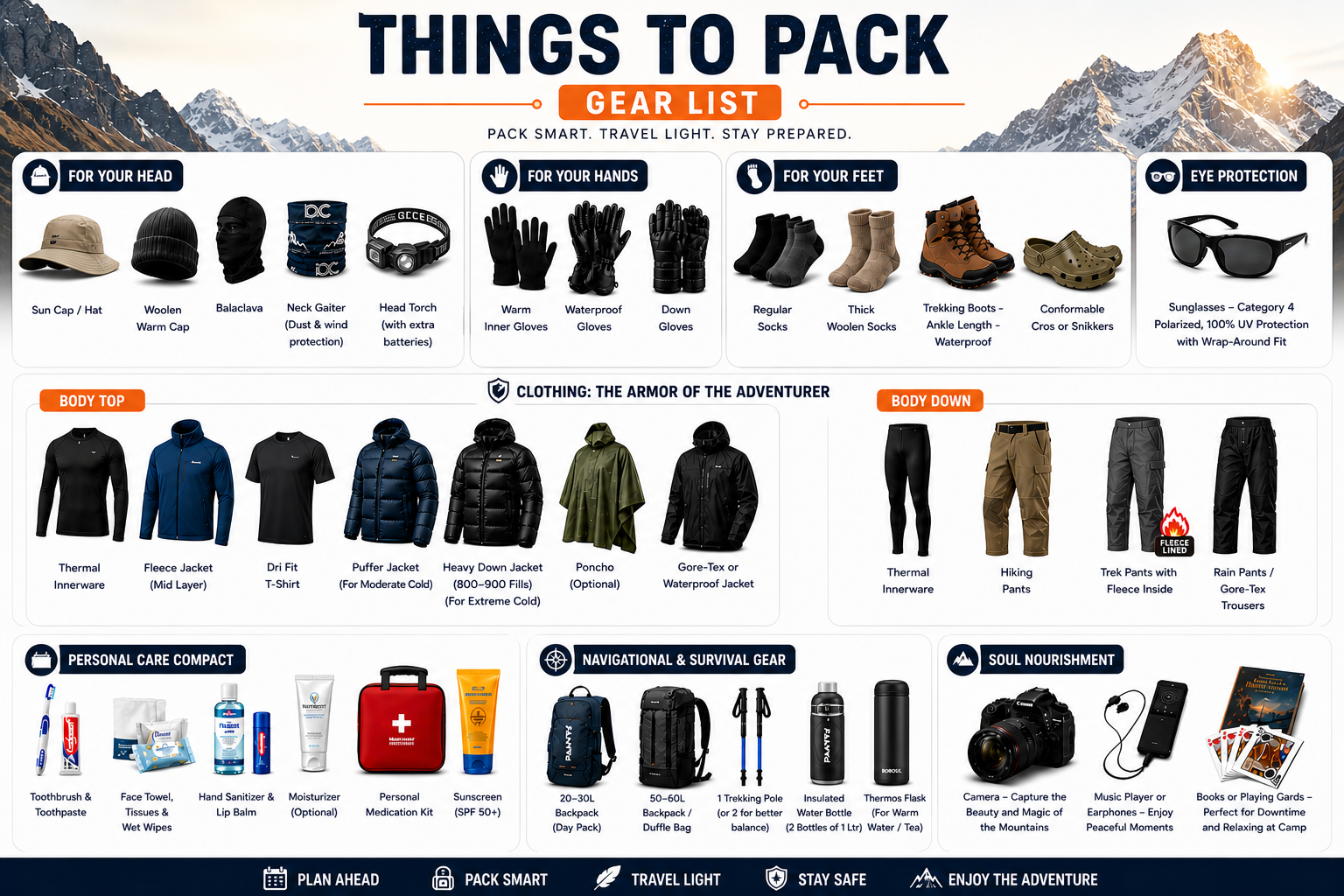
For rental bookings and additional equipment support, visit our contracted business partner — Summit Yak Official Website
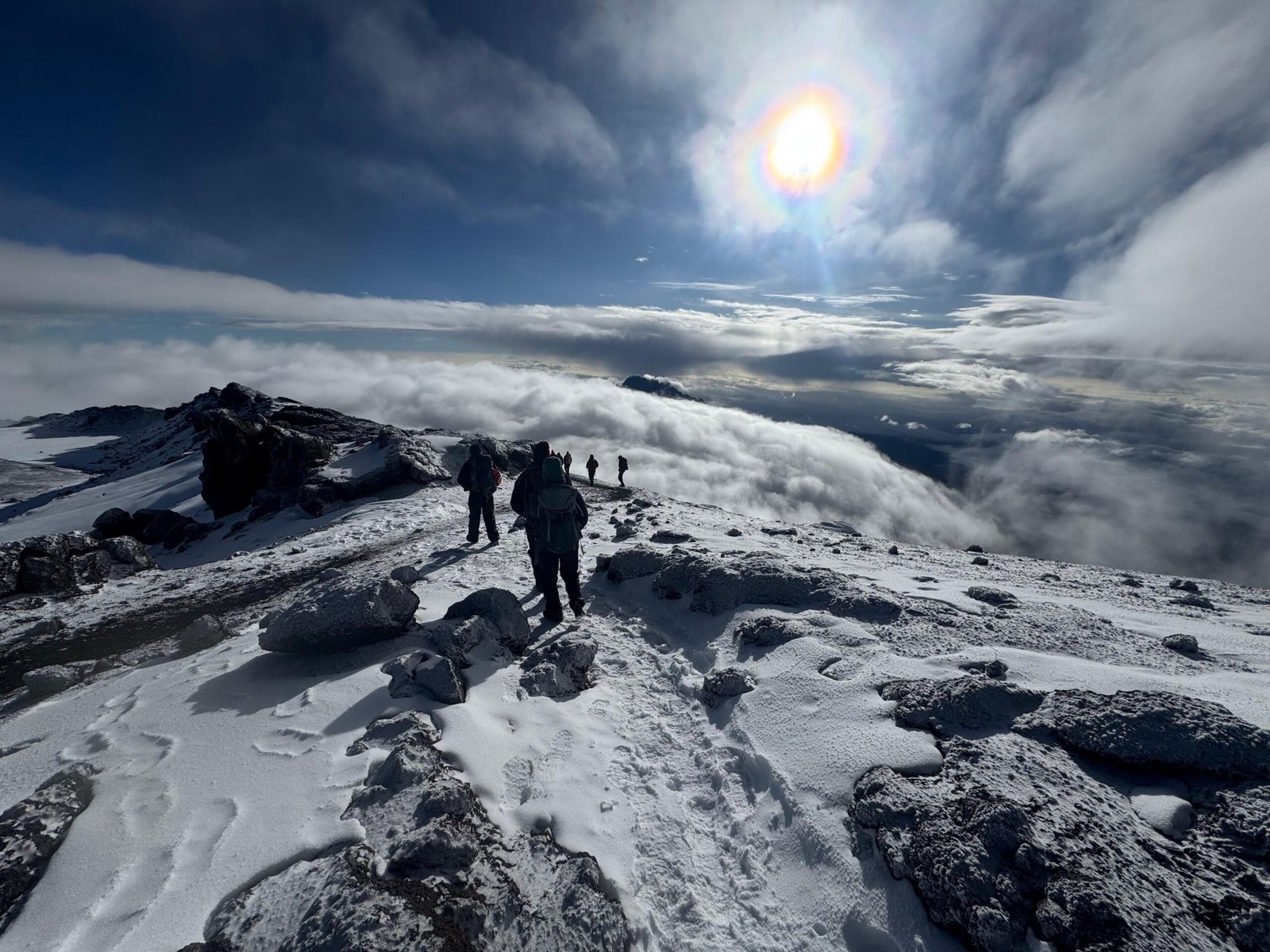
The route passes through rainforest, moorland, the Shira Plateau, alpine desert and the rocky high-altitude summit zone. Terrain becomes increasingly exposed as you gain elevation.
Uhuru Peak, the summit of Mount Kilimanjaro, stands at 5,895 metres above sea level.
The expedition is challenging because of its duration, altitude, cold conditions and demanding summit day. Technical climbing skills are not normally required on the standard route, but good physical endurance and appropriate preparation are essential.
The Boots & Crampons itinerary is planned for 10 days, including arrival, mountain trekking, descent and departure.
Participants who meet the applicable park requirements receive an official Kilimanjaro summit certificate. Boots & Crampons also provides a trek completion certificate subject to its completion criteria.
The commonly recommended climbing windows are January to early March and June to October. Weather can change at any time, and actual conditions depend on the departure date.
Participants should have good cardiovascular endurance, strong hiking stamina and the ability to walk for several consecutive hours over uneven terrain. Training should include long hikes, uphill walking, stair climbing and leg-strength exercises.
Previous high-altitude trekking experience is strongly recommended. Participants should be physically prepared and understand that fitness alone does not prevent altitude sickness.
Temperatures vary significantly between the mountain’s ecological zones. Conditions near the summit can be extremely cold, particularly during the night-time summit attempt. Appropriate insulating layers, a warm down jacket, gloves and weather-protective outerwear are essential.
The summit attempt typically begins around midnight from Barafu Camp. Participants ascend towards Stella Point and continue to Uhuru Peak before descending via Barafu towards Mweka Camp. The day is long and physically demanding, and the guide may adjust the plan according to weather, health and safety conditions.
The expedition includes the hotel accommodation and mountain camping arrangements specified in the itinerary, along with meals during the trekking phase. Please refer to the Inclusions section for the confirmed package details.
Filtered or treated drinking water is included during trekking days, as specified in the package. Participants should follow the expedition team’s guidance on hydration and carry suitable reusable water bottles.
Participants must arrange suitable travel insurance that explicitly covers high-altitude trekking on Kilimanjaro, emergency evacuation and medical treatment. Confirm that the policy covers the activities and altitude involved before travelling.
Climbing Mt. Kilimanjaro via the Lemosho Route is one of the most scenic and successful ways to reach the Roof of Africa. With the right preparation, pacing, and acclimatization, climbers from a variety of backgrounds can achieve this incredible milestone.
Boots & Crampons staff of highly trained professional guides is here to make your journey as safe and secure as possible. All of our trekking guides are medically certified and have abundant experience using their training in mountainous environments.
Our safety standards are based on the experiences of our founder, managing risk in some of the world’s most hostile environments.
While we advise our trekkers to carry light, our guides are always prepared with:
Be it queries about the trek, customization or anything else, our team is eager to assist you.
Need your questions answered right away?
Get in touch with us at
Discover similar treks from Boots & Crampons that quench your thirst for adventure.

Discover similar treks from Boots & Crampons that quench your thirst for adventure.