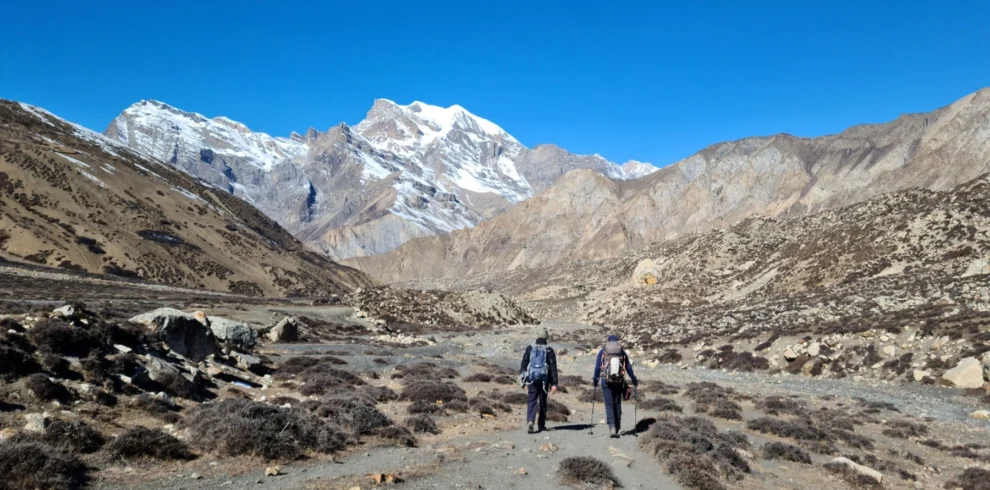
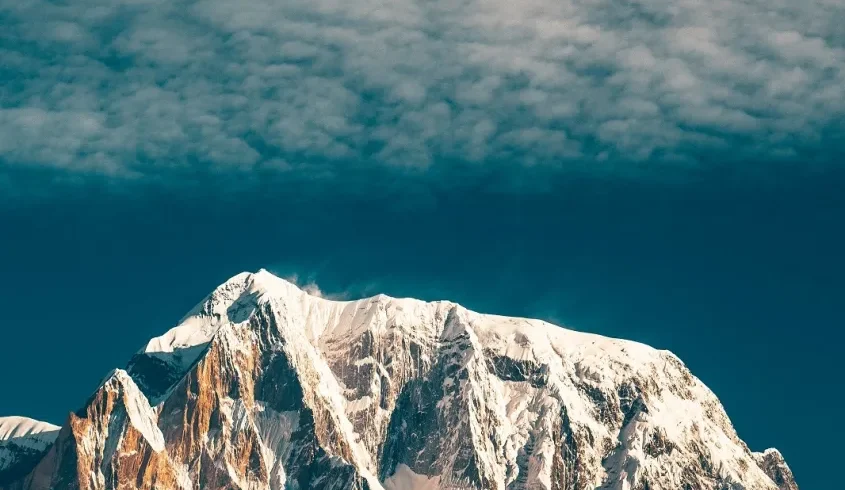
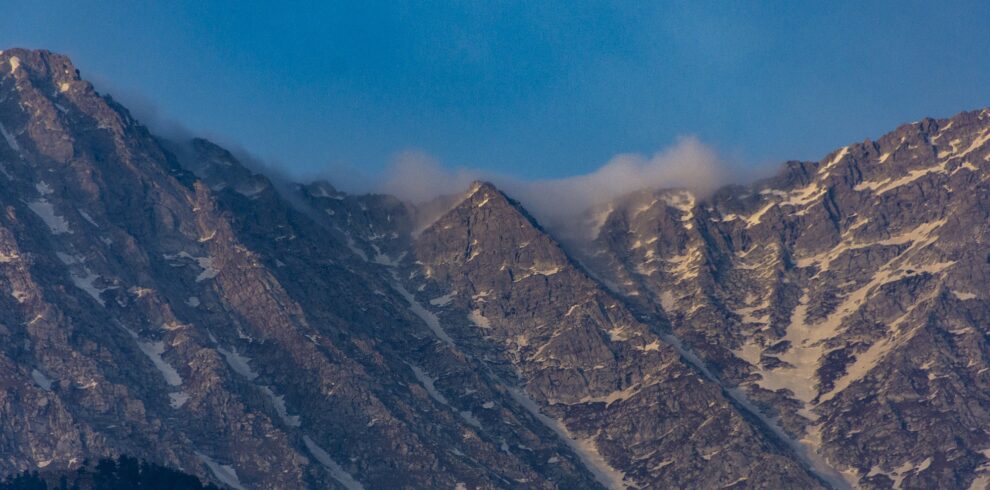
Standing at 6,476 metres, Mera Peak is one of Nepal’s most prominent trekking peaks and a demanding high-altitude mountaineering objective. The expedition combines a remote approach trek through the Hinku Valley with glacier travel, climbing preparation and an attempt to reach the summit.
The journey begins in Kathmandu before a flight to Lukla and a trek towards the Mera region. The route crosses high mountain passes, follows forested trails and enters increasingly rugged alpine terrain. Along the way, the team passes through settlements such as Kothe, Thangnak and Khare, allowing time to acclimatise before moving towards Mera Base Camp and High Camp.
The climbing phase requires the use of mountaineering equipment, including crampons, an ice axe, a harness and appropriate rope systems. A dedicated preparation session helps participants practise essential techniques before moving onto the glacier. The summit attempt is physically demanding because of the altitude, cold temperatures and long hours on snow and ice.
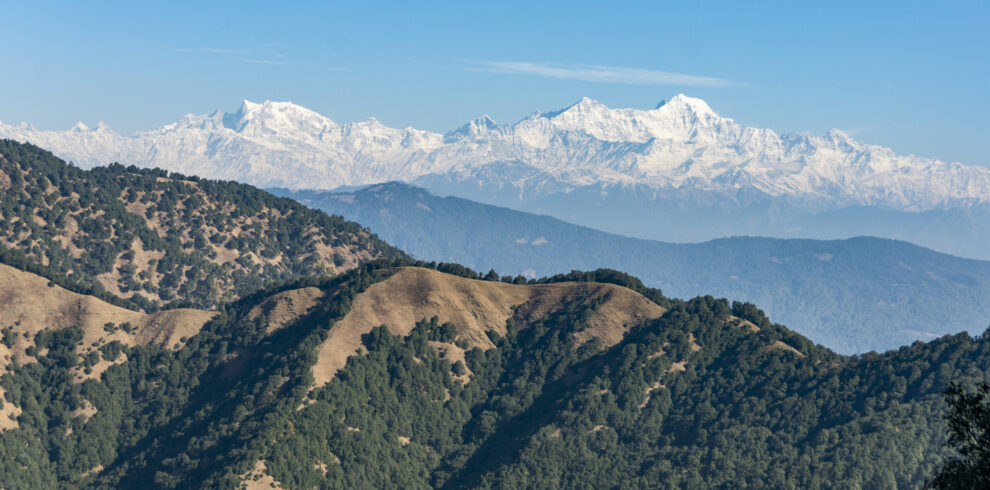
From the summit, climbers may be rewarded with sweeping views of some of the world’s highest mountains, including Everest, Lhotse, Makalu and Cho Oyu, subject to weather and visibility.
Mera Peak is often described as less technically demanding than many Himalayan climbing objectives, but it should not be underestimated. Participants need excellent endurance, appropriate acclimatisation and the ability to follow their climbing leader’s instructions in challenging high-altitude conditions.
Note: Prices mentioned are applicable for Indian passport holders. For foreign passport holders, the cost may vary. Please connect with the Boots & Crampons team for clarity.
Note: An indemnity document will be shared before the expedition. Signing it is mandatory.
Arrive in Kathmandu and transfer to your hotel. Meet the expedition team, attend the initial briefing and review your equipment and travel arrangements.
Walking: No trekking planned.
Overnight: Kathmandu.
Complete the required permit formalities and expedition preparations. Use the day for equipment checks, last-minute shopping and the final briefing before travelling to the mountains.
Walking: No trekking planned.
Overnight: Kathmandu.
Take an early flight to Lukla and begin trekking towards Chutanga through forested trails. This is the first trekking day and an opportunity to settle into the mountain environment.
Trekking distance: Approximately 6–7 km.
Walking duration: Approximately 4–5 hours.
Overnight: Chutanga.
Ascend towards Zatrwa La Pass, a demanding crossing with views of the surrounding Himalayan peaks. After crossing the pass, descend towards Thuli Kharka for the overnight stay.
Trekking distance: Approximately 6–7 km.
Walking duration: Approximately 6–8 hours.
Overnight: Thuli Kharka.
Descend towards the Hinku Valley through forested slopes and rugged mountain terrain. The trail passes through remote settlements and offers views of the surrounding peaks as you continue towards Kothe.
Trekking distance: Approximately 7–8 km.
Walking duration: Approximately 5–6 hours.
Overnight: Kothe.
Follow the Hinku Valley through alpine terrain, passing streams and glacial landscapes as the trail gradually gains altitude. The route becomes increasingly rugged as you approach Thangnak.
Trekking distance: Approximately 7 km.
Walking duration: Approximately 5–7 hours.
Overnight: Thangnak.
Spend the day acclimatising to the altitude. A short hike to a higher elevation may be arranged by the guide, depending on weather and the group’s condition. Rest, hydration and monitoring for symptoms of altitude illness are important.
Walking: Optional short acclimatisation hike, as advised by the guide.
Overnight: Thangnak.
Continue up the Hinku Valley towards Khare, the main staging point for the Mera Peak climbing section. The trail passes rocky terrain and glacial features, with increasingly expansive mountain views.
Trekking distance: Approximately 5–6 km.
Walking duration: Approximately 5–6 hours.
Overnight: Khare.
Proceed from Khare towards the Mera La area and the planned base-camp location. The route crosses high-altitude rocky and glacial terrain, where snow and surface conditions may affect progress.
Trekking distance: Approximately 4–5 km.
Walking duration: Approximately 5–6 hours.
Overnight: Mera Base Camp
Continue towards High Camp over high-altitude terrain. Depending on conditions, the route may involve snow and glacier travel using appropriate mountaineering equipment. On arrival, check equipment, prepare for the summit attempt and rest before the early start.
Trekking/climbing distance: Approximately 3–4 km.
Walking duration: Approximately 4–6 hours.
Overnight: Mera High Camp.
Begin the summit attempt early, following the climbing leader’s instructions across snow slopes and glacier terrain. The ascent is physically demanding because of the altitude, cold and sustained effort. If conditions permit, continue to the summit at 6,476 m before descending towards Khare.
Total climbing and descent duration: Approximately 10–12 hours or longer, depending on conditions and group pace.
Overnight: Khare.
Retrace the route through the Hinku Valley, descending towards Kothe. The descent provides a gradual return to lower altitude, although the day remains physically demanding after the summit attempt.
Trekking distance: Approximately 12–13 km.
Walking duration: Approximately 7–9 hours.
Overnight: Kothe.
Continue along the return route towards Thuli Kharka. This section involves descending and then regaining elevation, so maintain a steady pace and follow the guide’s instructions.
Trekking distance: Approximately 7–8 km.
Walking duration: Approximately 6–8 hours.
Overnight: Thuli Kharka.
Cross Zatrwa La Pass and descend towards Lukla. This is a long and demanding final trekking day, with substantial elevation change and potentially variable trail conditions.
Trekking distance: Approximately 9–11 km.
Walking duration: Approximately 8–9 hours.
Overnight: Lukla.
Take the scheduled flight from Lukla to Kathmandu, subject to weather and airline operations. The rest of the day is available to rest or explore Kathmandu.
Flight duration: Approximately 30–40 minutes, excluding airport waiting and ground transfers.
Overnight: Kathmandu.
Bid farewell to Nepal as you depart from Kathmandu. The expedition concludes with unforgettable memories, new friendships, and a profound sense of achievement. We wish you a safe journey home and hope to see you on another adventure soon
3 nights in a 4-star hotel in Kathmandu on a twin-sharing basis, including breakfast.
Teahouse accommodation during the trekking section on a twin-sharing basis, subject to availability.
Accommodation at the designated high-altitude camps as per the confirmed expedition itinerary.
Breakfast, lunch and dinner during the trekking and climbing period.
One standard menu item per meal at teahouses.
Tea or coffee served with meals, where included by the accommodation provider.
Airport pick-up and drop-off in Kathmandu.
Private ground transfers between Kathmandu and Ramechhap, if required for the Lukla flight.
Domestic flights between Ramechhap and Lukla, including applicable airport taxes, as per the itinerary and confirmed flight arrangements.
Ground transportation specifically mentioned in the final itinerary.
Mera Peak climbing permit issued by the relevant authority.
Sagarmatha National Park entry permit.
Khumbu local-area permit, where applicable.
Standard trekking and climbing permit arrangements included in the package.
Experienced English-speaking trekking guide.
Climbing guide or climbing Sherpa support as specified in the final expedition plan.
Porter or other load-carrying support for up to 10 kg per participant, subject to the operator’s confirmed baggage policy.
Wages, meals, accommodation, equipment and insurance for the included Nepali support staff.
Expedition coordination and routine logistical support throughout the scheduled itinerary.
Climbing equipment and technical support only to the extent expressly confirmed in the final package inclusions.
Basic first-aid kit carried by the expedition team.
Climbing briefing and practical instruction on the use of technical equipment required for the planned route.
Boots & Crampons expedition duffel bag.
Boots & Crampons buff and T-shirt.
Summit or expedition completion certificate and medal, as applicable.
Fast&Up product discount, subject to the applicable offer terms.
International airfare to and from Nepal.
Nepal entry visa fees.
Excess baggage charges and airline fees not included in the package.
Lunch and dinner in Kathmandu.
Additional meals caused by flight delays, itinerary changes or an extended stay.
Personal travel and mountaineering insurance covering trekking and climbing up to at least 6,500 m.
Helicopter evacuation, emergency rescue, medical treatment, hospitalisation and repatriation costs.
Costs arising from altitude-related illness, injury or other emergencies not expressly covered by the package.
Personal medical expenses and prescribed medication.
Bottled water, soft drinks, alcoholic beverages, extra tea or coffee, snacks and confectionery outside included meals.
Hot showers, Wi-Fi, internet, telephone calls, charging facilities and laundry.
Personal purchases and other incidental expenses during the expedition.
Personal trekking clothing, trekking boots, mountaineering boots, sleeping bag, down jacket, gloves, headwear, backpack and other personal equipment.
Personal technical climbing equipment unless specifically listed as included in the confirmed package.
Rental charges for any equipment hired separately.
Tips and gratuities for guides, climbing Sherpas, porters, drivers and other support staff. This is Mandatory
Summit bonus or additional incentive payments to climbing Sherpas, where applicable and not expressly included in the package.
Additional hotel accommodation, meals or transportation caused by weather delays, flight cancellations or changes to the itinerary.
Additional costs arising from changes to domestic flight arrangements, including travel via Ramechhap when not included in the quoted package.
Hotel upgrades, early check-in, late check-out and other accommodation upgrades.
Helicopter flights or helicopter returns requested by participants or required due to circumstances not covered by the package.
Costs arising from early departure, voluntary itinerary changes or deviation from the planned route.
Additional costs resulting from itinerary extensions or unused services.
Any service, item or expense not explicitly mentioned under Inclusions.
Unused services are non-refundable once the expedition has commenced, subject to the company’s applicable booking and cancellation terms.
Mera Peak reaches 6,476 m and requires more than general trekking experience. Previous high-altitude trekking experience is strongly recommended. Experience with crampons, an ice axe, a harness and fixed-rope techniques is beneficial. Participants must be prepared to learn and practise technical skills under the guidance of the climbing team.
Begin a structured fitness programme at least 3–4 months before the expedition. Focus on cardiovascular endurance, stamina and the ability to walk for several consecutive hours over multiple days.
Activities such as hiking, brisk walking, running, cycling and stair climbing can help build endurance. Gradually increase the duration and intensity of your training.
Include exercises that strengthen your legs, core and back. Squats, lunges, step-ups and controlled uphill walks can help prepare you for steep trails and long summit days.
Practise hiking with a light backpack and gradually increase the load, while maintaining good posture and a comfortable pace.
Mera Peak involves glacier travel and snow slopes. Participants must be comfortable following instructions and using the required climbing equipment. Attend any pre-expedition briefing or training arranged by Boots & Crampons, and practise with the climbing team before the summit attempt.
The itinerary includes acclimatisation time to help the body adjust to increasing altitude. Ascend gradually, stay hydrated and follow the guide’s instructions.
Learn to recognise symptoms of altitude illness, including headache, nausea, dizziness and unusual fatigue. Report symptoms promptly. Do not continue ascending if the guide or medical professional advises against it.
The expedition involves cold temperatures, basic mountain accommodation, changing weather and long days on the trail. Patience, flexibility, teamwork and a willingness to follow safety decisions are essential.
Summit success cannot be guaranteed, and the climbing leader may change plans when conditions require it.
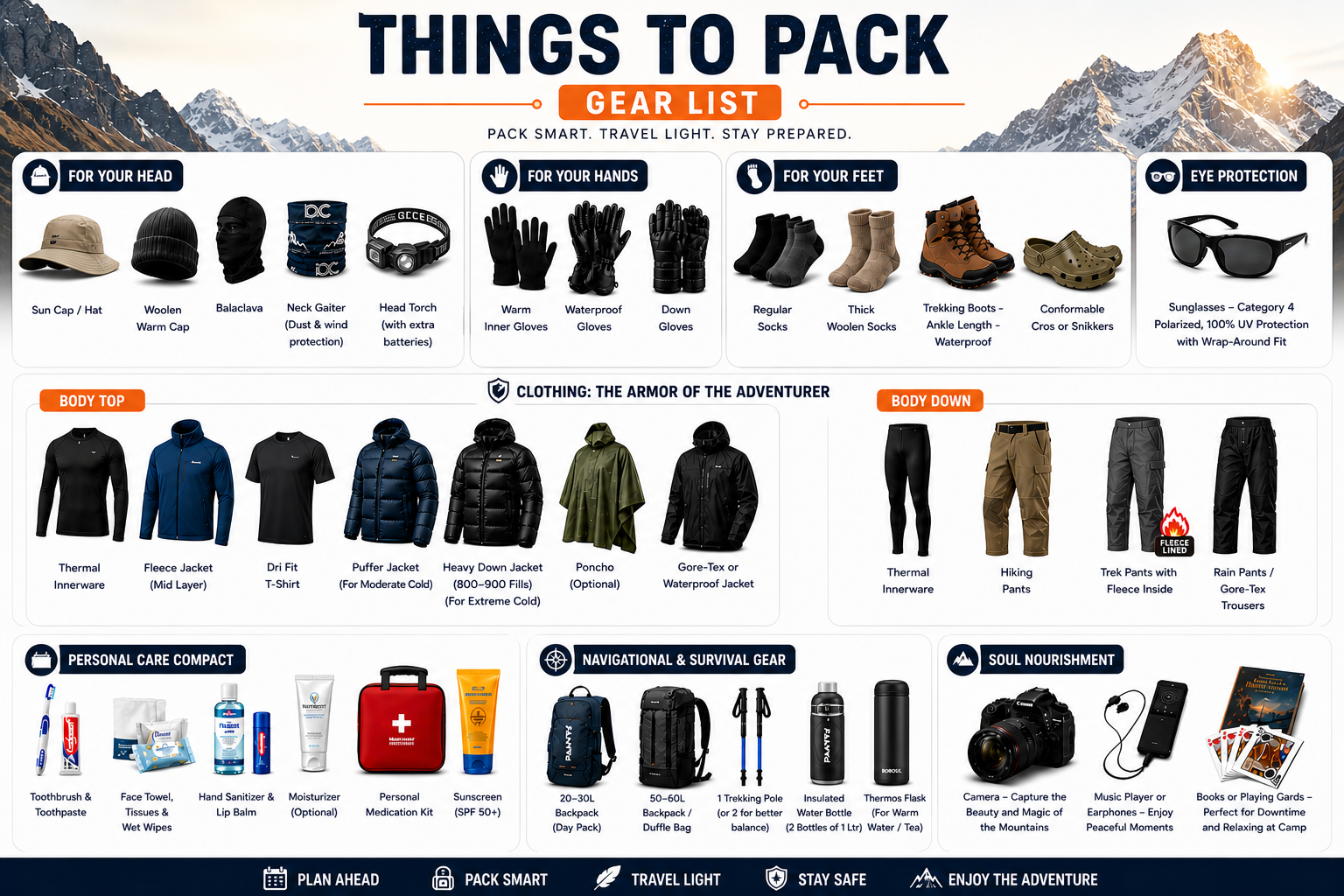
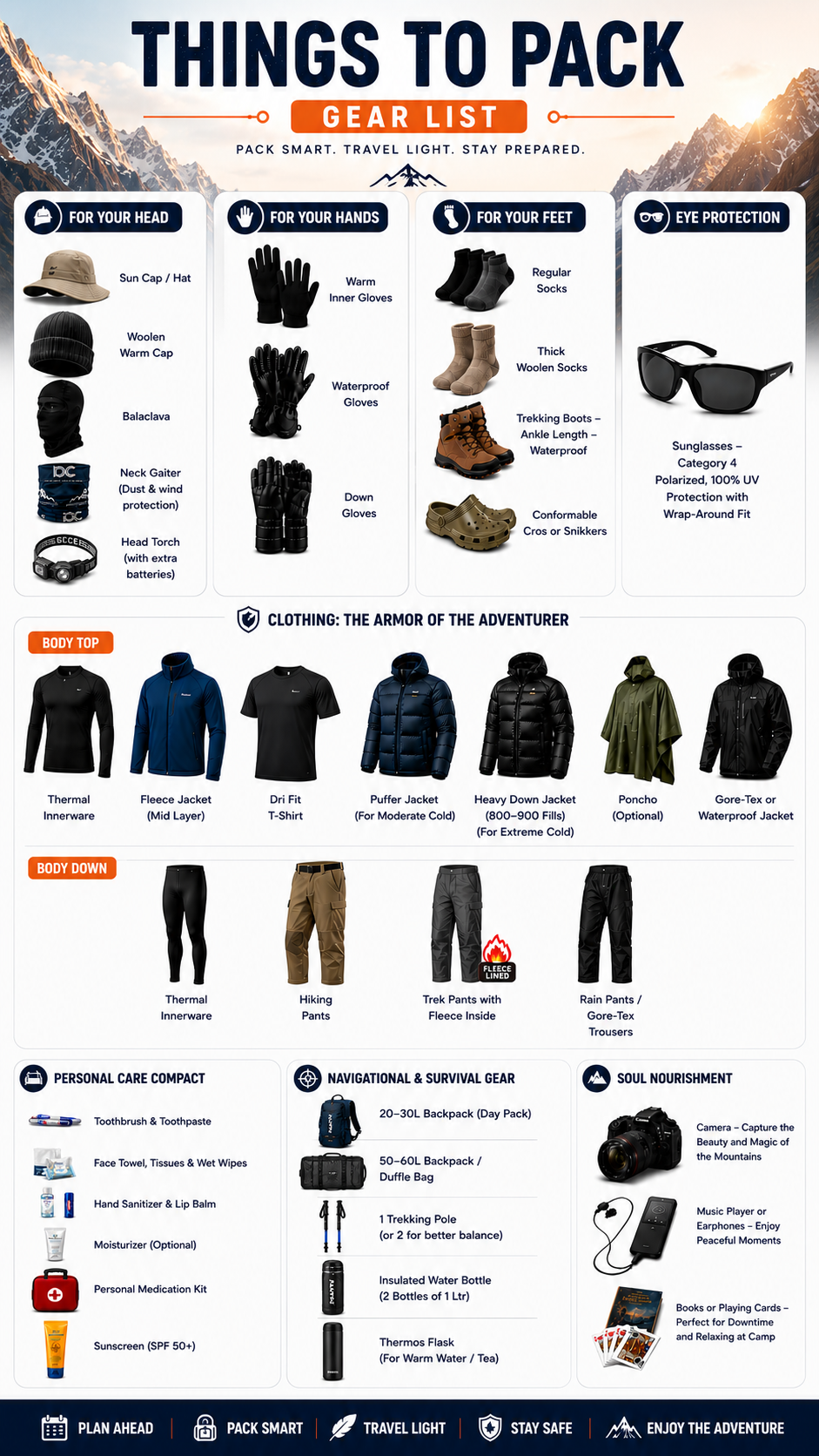
Carry suitable high-altitude clothing, insulated layers, waterproof outerwear, mountaineering boots, warm gloves and essential personal equipment. Technical gear requirements should be confirmed with Boots & Crampons before departure.
Test your boots, clothing and backpack during training hikes to identify any fit or comfort issues before the expedition.
Consult a qualified medical professional before undertaking a high-altitude expedition, particularly if you have any existing medical concerns. Arrange travel and mountaineering insurance that explicitly covers climbing to at least 6,500 m, emergency evacuation and medical treatment.
Keep copies of your passport, permits, insurance details and emergency contacts.
Attend the pre-expedition briefing, check your equipment and confirm your travel arrangements. Follow the guidance of your expedition leader throughout the journey, especially during acclimatisation, glacier travel and the summit attempt.



For rental bookings and additional equipment support, visit our contracted business partner — Summit Yak Official Website
Mera Peak stands at approximately 6,476 m above sea level, making it one of Nepal’s well-known trekking peaks above 6,000 m.
Mera Peak is a challenging high-altitude expedition. Although the standard route is not generally considered highly technical in favourable conditions, the altitude, cold, glacier travel and long summit day make it physically demanding.
Previous mountaineering experience is beneficial, and prior high-altitude trekking experience is strongly recommended. Participants must be willing and able to learn the required climbing techniques and follow the climbing team’s instructions.
The main climbing seasons are spring (March–May) and autumn (September–November). Weather and snow conditions can vary, so the final summit attempt depends on conditions during the expedition.
The Boots & Crampons itinerary is planned for 16 days, including arrival and departure, trekking, acclimatisation and the summit attempt. Participants should allow additional flexibility for flight delays or operational changes.
You should have strong cardiovascular endurance and be comfortable walking for several hours over consecutive days. The summit day can require approximately 10–12 hours or longer for the ascent and descent, depending on conditions and the team’s pace.
The expedition should include a briefing and practical preparation for the climbing equipment and techniques required on the planned route. Confirm the exact training arrangements with Boots & Crampons before booking.
Participants need appropriate high-altitude clothing, mountaineering boots and personal trekking equipment. Technical equipment may include crampons, an ice axe, a climbing harness, a helmet and other items required by the route. Confirm which items are supplied and which must be brought or rented.
Accommodation is generally in hotels in Kathmandu and teahouses during the trekking section. At higher elevations, facilities are basic, and the exact sleeping arrangements at Mera Base Camp and High Camp depend on the confirmed expedition plan.
Breakfast, lunch and dinner during the trekking and climbing period are included if specified in the final package. Meals in Kathmandu should be checked against the confirmed inclusions.
Yes. Mera Peak reaches 6,476 m, where altitude illness is a serious concern. Follow the acclimatisation schedule, report symptoms immediately and comply with the guide’s decisions about resting, descending or stopping the ascent.
Do not assume supplemental oxygen is included. Confirm the expedition’s oxygen, emergency medical equipment and evacuation arrangements with Boots & Crampons before departure.
Yes. Participants should have specialist travel and mountaineering insurance covering climbing up to at least 6,500 m, emergency helicopter evacuation and medical treatment. Check the policy wording carefully because many standard travel policies exclude mountaineering.
The summit attempt depends on weather, snow conditions, the team’s health and the climbing leader’s assessment. The current 16-day itinerary does not clearly identify a separate reserve day, so any contingency arrangements should be confirmed before booking. Summit success cannot be guaranteed.
No. Flights are subject to weather, visibility, airline schedules and operational conditions. Delays or cancellations can affect the itinerary and may result in additional accommodation or transport costs.
Some equipment may be available for hire, subject to availability and the confirmed rental arrangements. Contact Boots & Crampons in advance to confirm the equipment list, sizes, rental charges and collection arrangements.
Carry sufficient personal funds for expenses not included in the package, such as snacks, drinks, charging facilities, Wi-Fi, hot showers, tips and unforeseen costs. The amount required depends on your spending habits and the final package inclusions.
No. The summit is dependent on weather, snow conditions, altitude, individual fitness and the climbing team’s safety assessment. The expedition leader may turn the team around or cancel the attempt when necessary.
Mera Peak is a classic high-altitude expedition that blends challenging snow/ice travel with breathtaking Himalayan vistas. With disciplined preparation and respect for altitude, it’s an immensely rewarding climb.
Boots & Crampons staff of highly trained professional guides is here to make your journey as safe and secure as possible. All of our trekking guides are medically certified and have abundant experience using their training in mountainous environments.
Our safety standards are based on the experiences of our founder, managing risk in some of the world’s most hostile environments.
While we advise our trekkers to carry light, our guides are always prepared with:
Be it queries about the trek, customization or anything else, our team is eager to assist you.
Need your questions answered right away?
Get in touch with us at
Discover similar treks from Boots & Crampons that quench your thirst for adventure.

Discover similar treks from Boots & Crampons that quench your thirst for adventure.