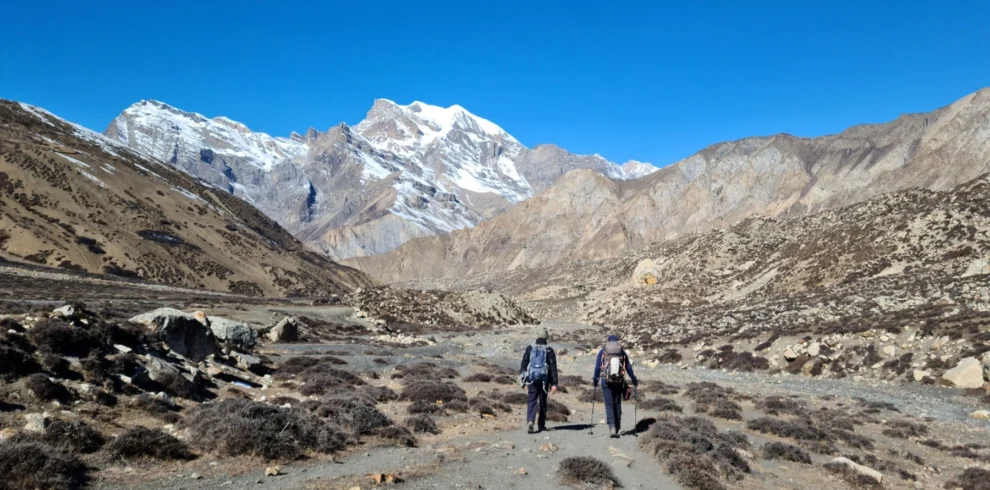
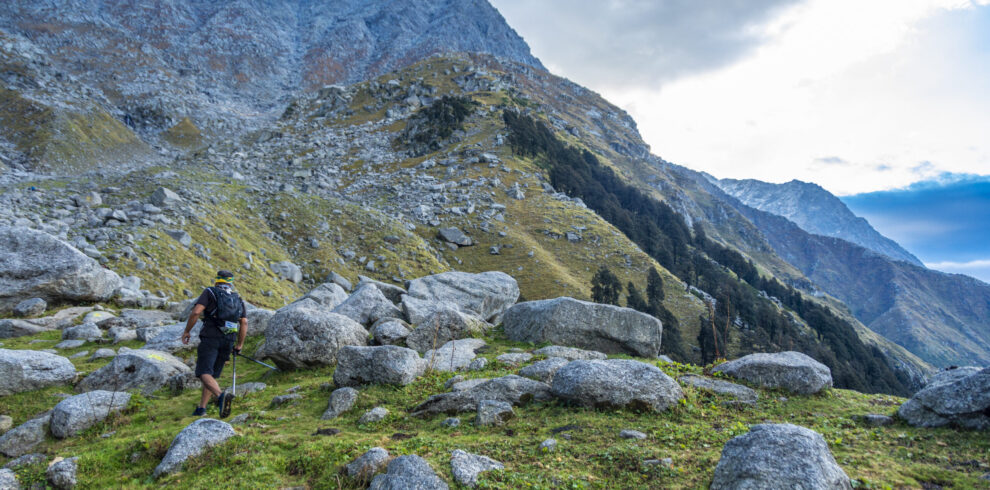
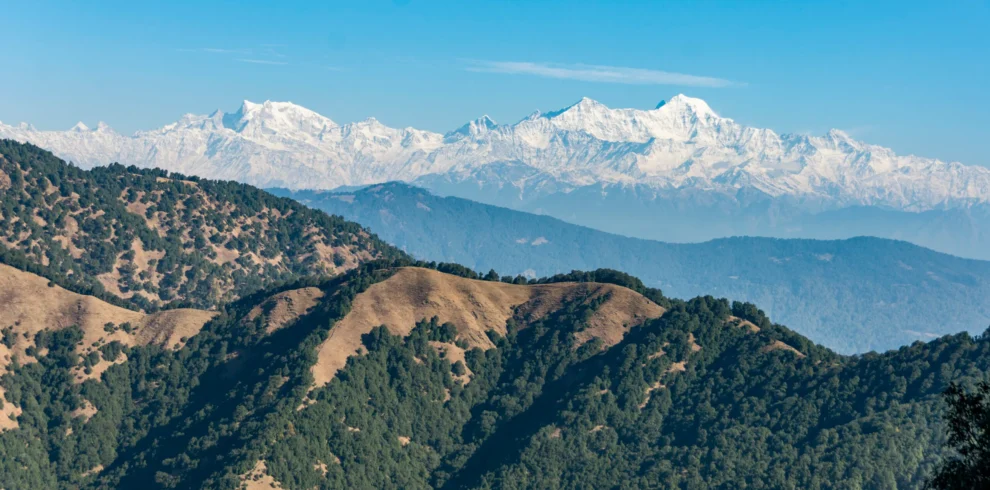
The Indrahar Pass Trek is a challenging high-altitude journey through the Dhauladhar Range of Himachal Pradesh. Starting from McLeod Ganj, the route climbs through forests of oak, rhododendron and deodar before opening up to the alpine meadows and mountain landscapes around Triund.
As the trek progresses towards Laka Got and Lahesh Cave, the terrain becomes steeper and rockier. The final ascent to Indrahar Pass is demanding, with loose rocks, exposed sections and potentially snow-covered terrain depending on the season and weather.
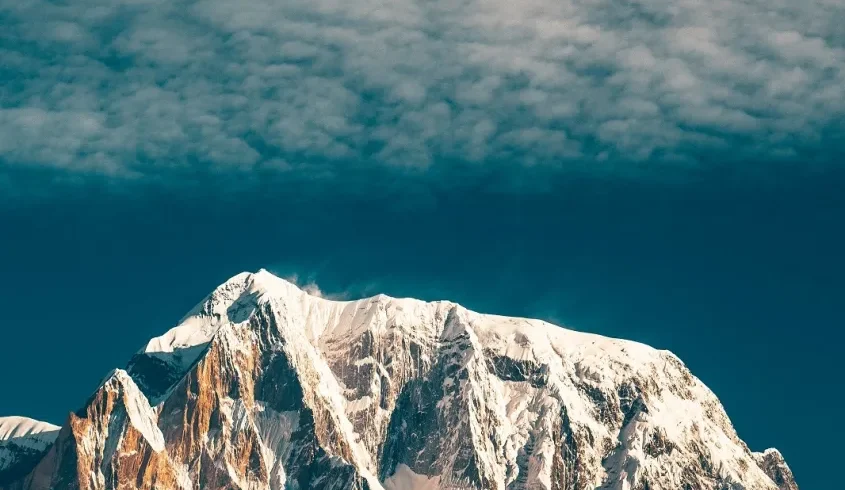
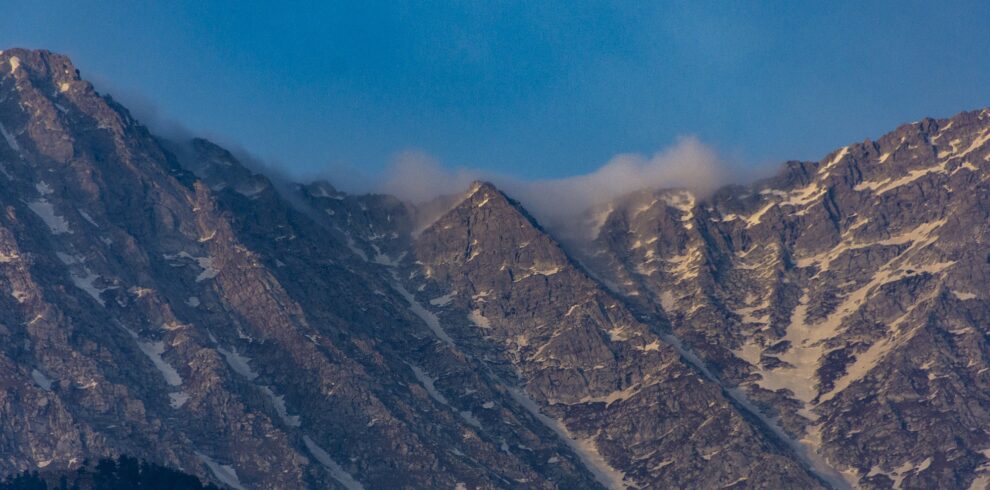
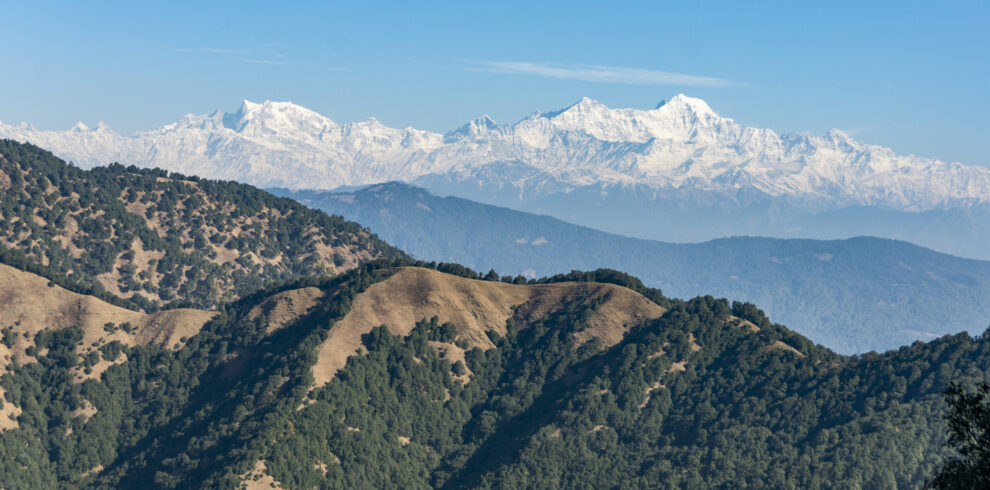
From the pass, trekkers can enjoy expansive views of the surrounding Dhauladhar mountains and the Kangra Valley. The route requires good physical fitness, endurance and confidence while walking over uneven mountain terrain.
Although the trek does not ordinarily require technical mountaineering skills in suitable conditions, snow and ice can make sections significantly more demanding. The expedition team will assess conditions and determine whether the route is safe to proceed.
Indrahar Pass is best suited to fit trekkers who are comfortable with sustained uphill walking and long days on the trail. Previous trekking experience is recommended.
Note: Prices apply to Indian passport holders; foreign nationals may have different costs.
Note: An indemnity document will be shared before the trek.
Meet the trek team at the designated reporting point in McLeod Ganj and begin the ascent towards Triund.
The trail passes through forested sections and gradually opens up to mountain views. Some sections are steep, particularly near the beginning and towards the final approach to Triund. Maintain a steady pace and take breaks as needed.
On arrival, settle into camp or the accommodation confirmed for your departure. Spend the evening resting and preparing for the next day’s ascent.
Starting altitude: Approximately 2,080 m
Destination altitude: Approximately 2,875–2,975 m; confirm the campsite altitude
Trek distance: Approximately 9 km
Walking time: Approximately 4–6 hours
Driving time: Not applicable to the standard trekking route
Overnight: Camp or accommodation at Triund.
After breakfast, continue towards Laka Got, a seasonal shepherd camp in the higher mountain terrain. The route includes a traverse and a steeper ascent over rocky ground.
Continue towards Lahesh Cave if conditions and the day’s plan permit. The trail becomes more rugged as altitude increases, so careful footing and a controlled pace are important.
The overnight location may be Laka Got or Lahesh Cave, depending on the operational plan, weather and trail conditions. The team should confirm the camp location before departure.
Starting altitude: Approximately 2,875–2,975 m
Highest point reached: Approximately 3,500 m if proceeding to Lahesh Cave
Trek distance: Approximately 5–6 km, subject to the chosen camp
Walking time: Approximately 4–6 hours
Overnight: Laka Got or Lahesh Cave, as confirmed by the expedition team
Begin early for the summit-day-style push to Indrahar Pass. The ascent involves steep, rocky terrain and may include snow or ice depending on the season.
The final approach is physically demanding, particularly at altitude. Follow the trek leader’s instructions, maintain a steady pace and avoid rushing over exposed or loose sections.
After reaching the pass, if conditions permit, take time to appreciate the surrounding mountain views before descending carefully along the approved route. Return to the designated camp for the night.
Starting altitude: Approximately 3,500 m if staying at Lahesh Cave
Highest point: Approximately 4,342–4,350 m; confirm the official figure
Trek distance: Approximately 4 km one way from Lahesh Cave to the pass; confirm the route and total round-trip distance
Walking time: Approximately 6–8 hours for the ascent and descent, subject to conditions
Overnight: Laka Got or another designated camp, as confirmed by operations
Important: Snow, ice, poor visibility or other safety concerns may require a change to the route or a turnaround before the pass.
After breakfast, begin the descent towards Triund and continue to the designated endpoint near McLeod Ganj.
The descent can be tiring on the knees, particularly over steep and rocky sections. Use trekking poles if needed and allow sufficient time to descend safely.
On reaching the roadhead or designated endpoint, the trek concludes.
Starting altitude: Depends on the confirmed camp location
Trek distance: Approximately 10–12 km, subject to the camp and exit route
Walking time: Approximately 5–7 hours
Trek endpoint: McLeod Ganj.
Pick-up and drop-off between the designated reporting point and the trek start/end points, as specified in the final itinerary.
Camping accommodation in shared expedition tents during trekking days.
Sleeping mattresses and designated dining facilities at camp.
Meals during the trek, beginning with lunch or dinner on Day 1 and ending with breakfast or lunch on the final day, according to the confirmed itinerary.
Vegetarian meals, including breakfast, lunch, evening snacks or soup, and dinner on scheduled trekking days.
Morning and evening hot beverages at camp.
Experienced trek leaders and guides from Boots & Crampons.
Support staff for camp setup and meal preparation.
Porters or mules for carrying camping equipment and group logistics, as arranged by the operator.
Expedition tents and sleeping mattresses.
Dining tent and kitchen equipment, where applicable.
First-aid kit carried by the trek team.
Applicable forest permits, entry fees and camping charges included in the package.
Trek coordination and logistical support from Boots & Crampons.
Participant discount on Fast&Up nutrition products, subject to applicable terms.
Trek completion certificate, where applicable.
Travel from the participant’s hometown to McLeod Ganj and return.
Transportation not specifically included in the confirmed itinerary.
Trekking shoes, trekking poles and personal clothing.
Personal backpacks and other individual equipment unless explicitly included.
Any personal gear not listed in the confirmed inclusions.
Personal porter services for carrying individual luggage, unless arranged and included separately.
Bottled drinks, snacks and purchases outside the meals specified.
Toiletries and personal medication.
Personal travel and trekking insurance.
Emergency evacuation and medical expenses, unless explicitly covered by the package or an applicable insurance policy.
Tips and gratuities for guides and support staff.
Additional accommodation, meals or transportation arising from weather delays, road closures or other unforeseen circumstances.
Expenses resulting from a participant’s early exit from the trek.
Any service or expense not explicitly mentioned in the inclusions.
Indrahar Pass involves sustained uphill walking, rocky terrain and a demanding ascent to approximately 4,350 metres. Participants should be reasonably fit and comfortable walking for several hours a day over consecutive days.
Previous trekking experience is recommended. This trek should not be approached as an easy beginner-level walk.
Build endurance through regular brisk walking, jogging, cycling, stair climbing or uphill hiking.
Gradually increase the duration of your sessions. Aim to develop the stamina needed for long ascents and descents without exhausting yourself early in the day.
Focus on strengthening your legs, hips and core to improve stability on uneven terrain.
Useful exercises include:
Squats and lunges.
Step-ups and controlled step-downs.
Calf raises.
Core stability exercises.
Walking uphill with a light backpack.
Increase the intensity gradually and allow sufficient recovery between sessions.
Where possible, practise hiking on uneven trails with sustained ascents and descents. Gradually increase your walking duration and use a backpack similar to the one you expect to carry.
Practise managing your pace, taking regular hydration breaks and maintaining stable footing on rocky terrain.
Indrahar Pass reaches approximately 4,350 metres, where altitude can affect even physically fit trekkers.
Follow the planned itinerary and the trek leader’s instructions. Report persistent headaches, nausea, dizziness, unusual fatigue or breathlessness at rest promptly. Do not ignore symptoms to continue towards the pass.
Fitness alone does not prevent altitude illness. The trek leader may change the plan or require a descent if safety concerns arise.
Mountain conditions can change quickly. Be prepared for cold temperatures, steep terrain, long walking days and changes to the itinerary.
Maintain a steady pace, stay with the group and follow the trek leader’s instructions, particularly during the final ascent and descent.
Aim to follow a consistent training routine for at least 4–6 weeks before departure, adjusting the duration according to your current fitness and trekking experience.
If you are new to regular exercise or have relevant medical concerns, seek appropriate professional advice before beginning a demanding training programme.
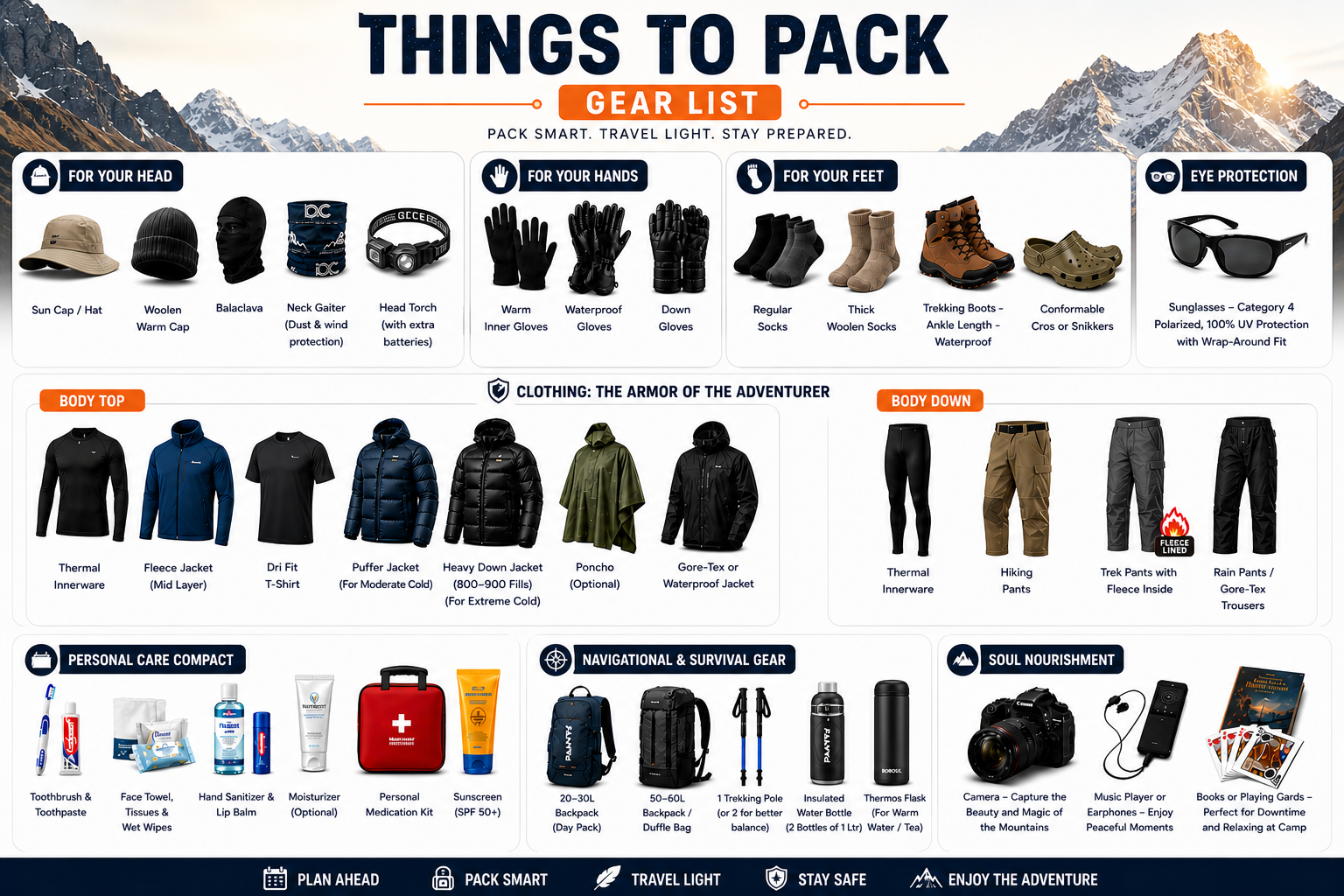

For rental bookings and additional equipment support, visit our contracted business partner — Summit Yak Official Website
Indrahar Pass is approximately 4,342–4,350 metres above sea level. The exact figure should be standardised across the website after confirmation by the operations team.
The trek is best described as moderate to challenging. It includes steep ascents, rocky terrain, exposed sections and a demanding final approach to the pass. Snow and ice can make the route more difficult in certain conditions.
The standard itinerary listed on this page is four days, beginning and ending around McLeod Ganj. The schedule may change due to weather, trail conditions or safety considerations.
The listed trekking windows are April to June and October to November. Conditions vary considerably across these periods, particularly with respect to snow, ice and rainfall. Confirm the suitability of the planned departure with Boots & Crampons.
Previous trekking experience is recommended. Participants should be comfortable with sustained uphill walking, long days on uneven trails and steep descents.
Technical mountaineering experience is not normally required for the route in suitable, snow-free conditions. However, snow or ice may increase the difficulty significantly. The trek leader will assess the conditions and determine whether the route is safe for the group.
You should be able to walk for several hours a day over consecutive days, including steep ascents and descents. Regular cardiovascular training, leg-strength exercises and hiking practice are recommended.
The itinerary includes camping or other designated accommodation around Triund and the higher camps. The exact overnight location, including whether the group stays at Laka Got or Lahesh Cave, depends on the operational plan and conditions.
Water arrangements depend on the campsite and the team’s operating plan. Follow the trek leader’s instructions and treat or purify water before drinking unless the team confirms it is safe.
Carry suitable trekking boots, layered clothing, a waterproof jacket, warm gloves, a headlamp, sunglasses, water bottles, personal medication and other essentials listed in the final packing checklist. Requirements may vary by season.
No. Reaching the pass depends on weather, trail conditions, the group’s progress and safety considerations. The trek leader may turn the group around or change the itinerary if conditions are unsuitable.
Contact Boots & Crampons for the arrangements applicable to your departure, including any pre-trek briefing, group coordination and final equipment checklist.
Boots & Crampons staff of highly trained professional guides is here to make your journey as safe and secure as possible. All of our trekking guides are medically certified and have abundant experience using their training in mountainous environments.
Our safety standards are based on the experiences of our founder, managing risk in some of the world’s most hostile environments.
While we advise our trekkers to carry light, our guides are always prepared with:
Be it queries about the trek, customization or anything else, our team is eager to assist you.
Need your questions answered right away?
Get in touch with us at
Discover similar treks from Boots & Crampons that quench your thirst for adventure.

Discover similar treks from Boots & Crampons that quench your thirst for adventure.