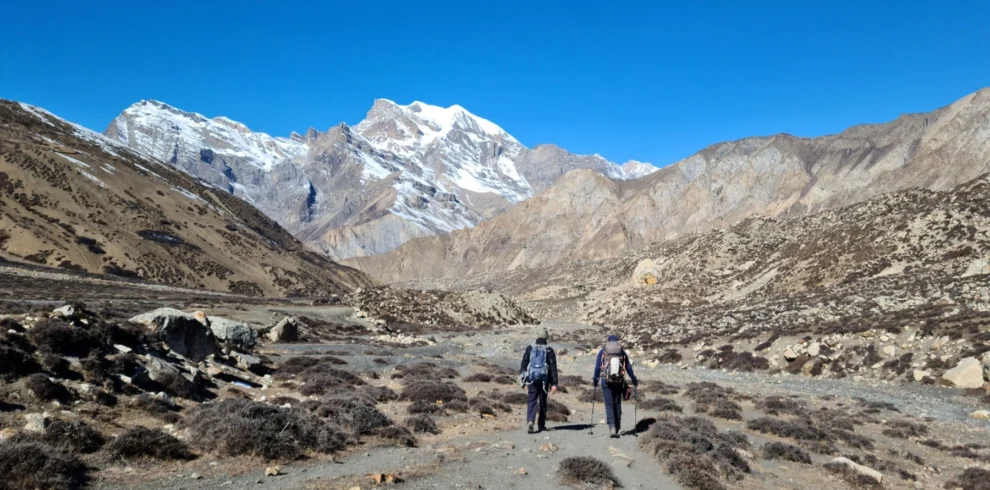
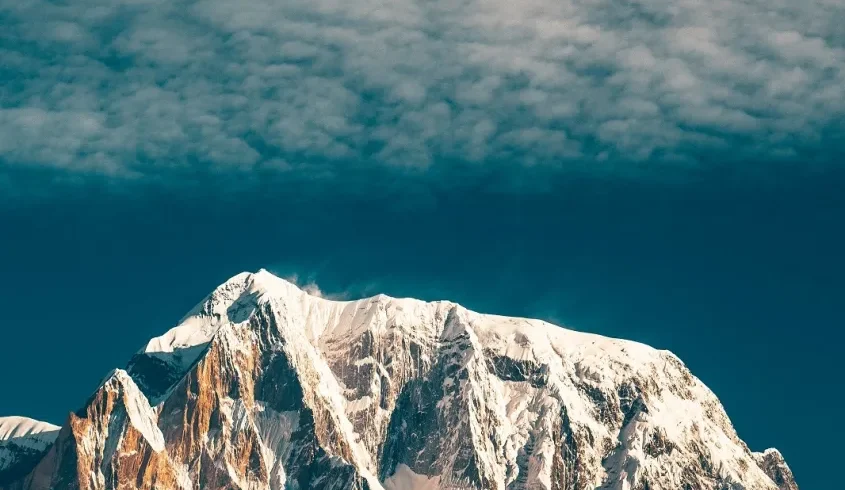
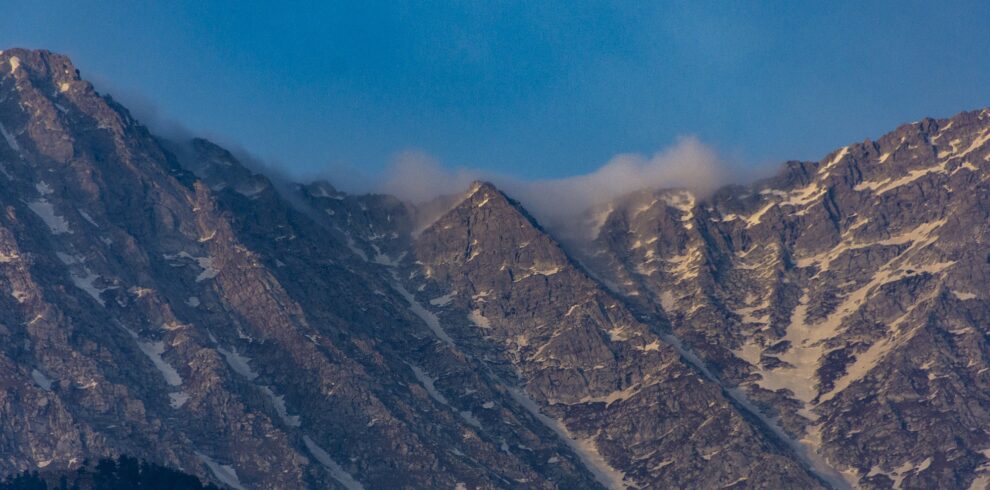
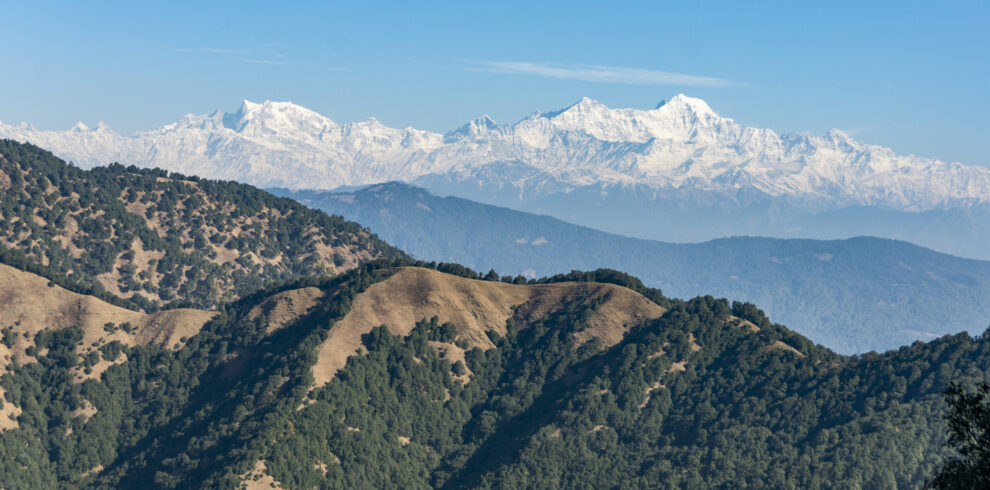
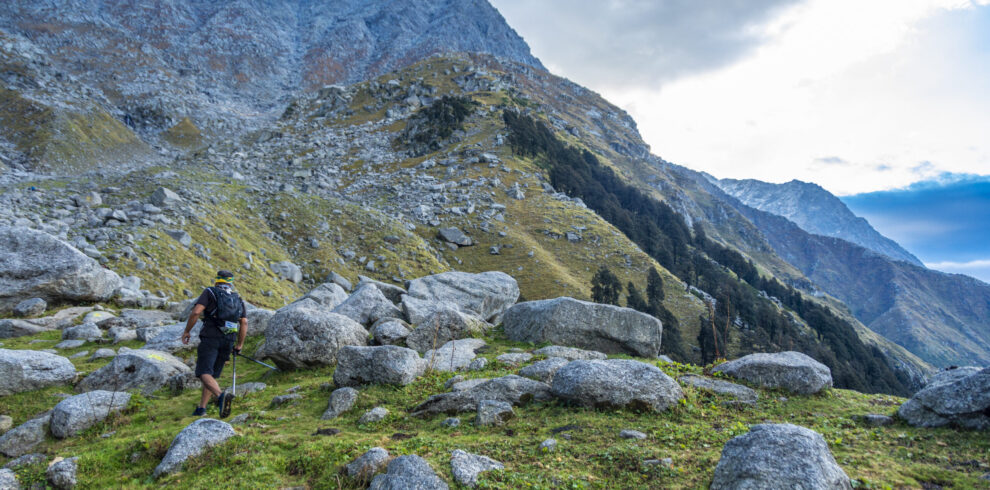
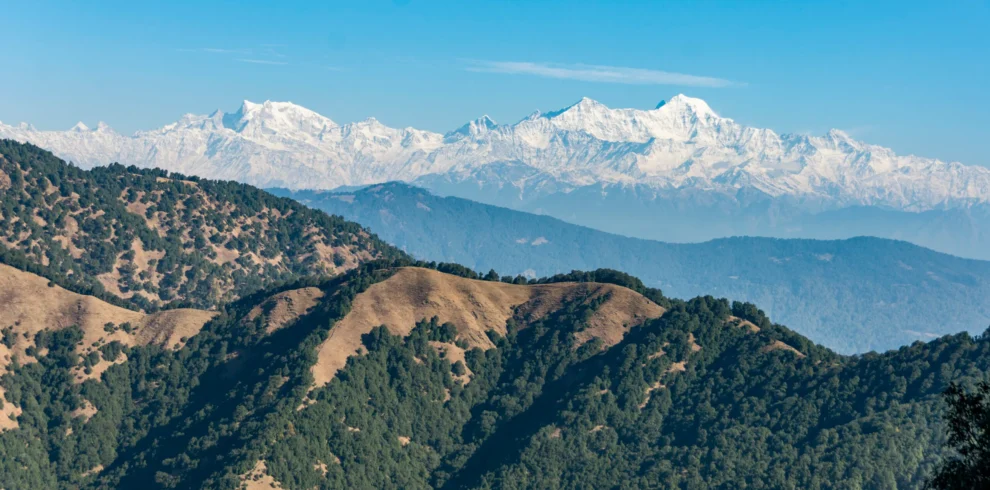
The Everest Base Camp + Three Passes Trek is one of the most comprehensive and challenging trekking journeys in the Everest region of Nepal. It combines the iconic Everest Base Camp trail with three high Himalayan passes – Kongma La, Cho La and Renjo La – along with the beautiful Gokyo Valley.
The journey begins in Kathmandu before flying to Lukla and following the traditional Everest trail through Phakding, Namche Bazaar, Tengboche and Dingboche. As you gradually gain altitude, the landscape changes from forested valleys and Sherpa settlements to rugged mountain terrain, glaciers and high-altitude moraines.
The route takes you to Everest Base Camp (5,364 m), followed by an ascent of Kala Patthar for spectacular views of Mount Everest and the surrounding Himalayan peaks.
The real challenge lies in crossing the three high passes:
Kongma La (approximately 5,535 m): A demanding crossing between the Chukhung and Lobuche areas, involving steep ascents, rocky terrain and glacial sections.
Cho La (approximately 5,420 m): A challenging high pass connecting the Everest Base Camp trail with the Gokyo Valley, often involving snow and icy sections.
Renjo La (approximately 5,360 m): A spectacular high pass offering panoramic views of Everest and the Gokyo Lakes before descending towards the quieter valley of Lumde.
The trek also includes time in the beautiful Gokyo Valley, home to a series of turquoise glacial lakes beside the vast Ngozumpa Glacier. The optional ascent of Gokyo Ri offers one of the finest panoramic viewpoints in the Khumbu region.
This is a demanding non-technical trekking route, but the altitude, long walking days, steep ascents and descents, and potentially challenging snow conditions make it a serious mountain undertaking.
The Everest Base Camp + Three Passes Trek is ideal for experienced high-altitude trekkers seeking a complete Himalayan adventure beyond the conventional Everest Base Camp route.
Note: Prices mentioned are applicable for Indian passport holders. For foreign passport holders, the cost may vary. Please connect with the Boots & Crampons team for clarity.
Note: An indemnity document will be shared before the trek. Signing it is mandatory.
Arrive at Tribhuvan International Airport, where our team will greet you and escort you to your hotel. Rest, meet your guide for a trek briefing, get gear checked and explore the vibrant streets of Kathmandu.
Trek Distance: 9 km
Late night drive from Kathmandu to Ramechap, and then an early flight to Lukla, enjoying mountain views during the scenic landing. Begin your trek with a gentle walk along the Dudh Koshi River, passing villages like Chaurikharka. Cross suspension bridges and reach Phakding or Ghat for the night.
*If available, we will try to take a direct flight from Kathmandu to Lukla early in the morning, but this cannot be confirmed. Depends on availability and weather.
Trek Distance: 10.8 km
Trek through pine forests and cross several suspension bridges. Enter Sagarmatha National Park at Monjo, pass Jorsale, and climb steeply to Namche Bazaar, the bustling heart of the Khumbu region. Catch your first glimpse of Everest and Lhotse on the way.
Trek Distance: ~5 km | Elevation Gain: 400 m
Hike to the Everest View Hotel for stunning views of Everest, Ama Dablam, and Thamserku. Sip on a warm drink as you take in the scenery. Visit the nearby Everest Museum to learn about Sherpa culture and the region’s history.
Trek Distance: 11 km
Descend through forests to the Dudh Koshi River, then climb to the famous Tengboche Monastery with panoramic views of Everest.
Continue to Deboche, a peaceful village surrounded by rhododendrons.
Trek Distance: 9.8 km
Trek through high-altitude terrain, passing Pangboche and its ancient monastery. Reach Dingboche, where fields are protected by stone walls to shield crops from the chilly mountain winds.
Trek Distance: ~4.5–5 km | Elevation Gain: 400–650 m
Climb gradually to a ridge above Dingboche with incredible views of Makalu, Lhotse, and Ama Dablam. Return to Dingboche to rest and prepare for higher altitudes.
Today, embark on a relatively short trek through the stunning Imja Valley toward Chukhung. Follow rocky trails and open alpine landscapes surrounded by towering Himalayan peaks, including Lhotse, Nuptse, and Ama Dablam. As you gradually gain altitude, the scenery becomes more rugged, with glacial streams, barren slopes, and dramatic mountain formations defining the landscape. Arrive at Chukhung, a small settlement nestled beneath some of the region’s most impressive peaks. Spend the rest of the day resting and preparing for the upcoming high-altitude sections. Overnight stay at a teahouse in Chukhung.
Today, leave Chukhung and reconnect with the main Everest Base Camp trail as you make your way toward Lobuche. The route passes through the rugged landscapes of the Khumbu Valley, with dramatic views of towering peaks, glacial terrain, and rocky mountain slopes. Continue along trails near the Khumbu Glacier and gradually ascend toward the memorial area near Thukla Pass, where monuments honor climbers who lost their lives on Everest. After a steady climb, continue toward Lobuche, a small high-altitude settlement surrounded by impressive Himalayan scenery. Overnight stay at a teahouse in Lobuche.
Today marks one of the highlights of your Himalayan adventure as you trek toward the iconic Everest Base Camp. Follow a rugged trail alongside the Khumbu Glacier, navigating rocky moraine paths and enjoying dramatic views of the surrounding peaks. Upon reaching Everest Base Camp, experience the incredible atmosphere at the foot of the world’s highest mountain and take time to capture memorable photographs. After exploring the area, retrace your route toward Gorakshep, a remote settlement surrounded by vast glacial landscapes and towering Himalayan mountains. Overnight stay at a teahouse in Gorakshep.
Begin early in the morning with a challenging ascent to Kala Patthar, one of the finest viewpoints in the Everest region. As the first light illuminates the Himalayas, enjoy breathtaking sunrise views of Mount Everest, Nuptse, Pumori, and the surrounding peaks. After spending time at the viewpoint, descend to Gorakshep for a short rest before continuing toward Dzongla along a scenic mountain trail. The route offers magnificent views of glaciers, rocky slopes, and dramatic Himalayan landscapes. Arrive at Dzongla and prepare for the challenging Cho La Pass crossing ahead. Overnight stay at a teahouse in Dzongla.
Today, cross one of the most challenging sections of the Three Passes trek, the spectacular Cho La Pass. Begin with a steep ascent over rocky terrain before reaching higher sections that may involve icy trails and glacier crossings, depending on the season and conditions. From the pass, enjoy breathtaking views of the surrounding Himalayan peaks and rugged glacial landscapes. Carefully descend along the rocky trail on the opposite side and continue toward Dragnak, also known as Draknak. Arrive at this small mountain settlement and rest after a demanding day at high altitude. Overnight stay at a teahouse in Dragnak.
Today, continue your adventure across the remarkable landscapes of the Ngozumpa Glacier, the largest glacier in Nepal. Follow rocky moraine trails and glacial terrain while enjoying impressive views of Cho Oyu and the surrounding Himalayan peaks. As you approach Gokyo, the scenery gradually opens to reveal the beautiful turquoise glacial lakes that make this region so famous. Arrive at Gokyo, a picturesque lakeside village surrounded by towering mountains and pristine alpine scenery. Spend the rest of the day relaxing and enjoying the peaceful atmosphere beside the lakes. Overnight stay at a teahouse in Gokyo.
Today, enjoy a rest and exploration day in the beautiful Gokyo Valley. Spend time visiting the stunning turquoise Gokyo Lakes, surrounded by rugged mountains, glaciers, and pristine alpine landscapes. If you feel well-acclimatized and conditions permit, you can opt for an early morning hike to Gokyo Ri, one of the region’s most spectacular viewpoints. From the summit, enjoy panoramic views of Mount Everest, Cho Oyu, Lhotse, Makalu, and the immense Ngozumpa Glacier. Return to Gokyo and spend the remainder of the day resting and preparing for the next section of the trek. Overnight stay at a teahouse in Gokyo.
Today, take on the final high pass of your Three Passes adventure, the scenic Renjo La Pass. Begin with a steady ascent through rugged mountain terrain, gradually gaining altitude as you approach the pass. From the top, enjoy spectacular panoramic views of Mount Everest, the turquoise Gokyo Lakes, Cho Oyu, and the surrounding Himalayan peaks. After taking in the scenery, begin a long descent through rocky trails and remote alpine landscapes toward Lumden. Arrive at this peaceful mountain settlement and relax after another rewarding day in the Himalayas. Overnight stay at a teahouse in Lumden.
Today, leave Lumden and continue your descent through the remote alpine landscapes of the Khumbu region. Follow mountain trails through rugged terrain and traditional Sherpa settlements as you gradually lose altitude. The scenery transitions from barren high-altitude slopes to greener hillsides and forested sections as you approach the main trekking route. Continue toward Namche Bazaar, where you can enjoy the familiar atmosphere of the bustling Sherpa town after completing the challenging high passes. Spend the evening relaxing, enjoying local food, and celebrating your progress. Overnight stay at a teahouse in Namche Bazaar.
Today, begin the final trekking day of your Himalayan adventure as you descend from Namche Bazaar toward Lukla. Follow familiar trails through pine forests, traditional villages, and suspension bridges crossing the Dudh Koshi River. Pass through settlements such as Monjo, Phakding, and other small mountain communities while enjoying your final views of the Khumbu region. After a long but rewarding day, arrive in Lukla and celebrate the completion of your trek with your team. Overnight stay at a teahouse in Lukla.
Today, take a morning flight from Lukla to Ramechhap, enjoying your final aerial views of the Himalayan mountains, weather permitting. Upon arrival, continue with a scenic drive back to Kathmandu. Once in the capital, check into your hotel and spend the afternoon at leisure. You can relax after your trekking adventure, visit a local café, explore nearby markets, or enjoy a delicious Nepali meal. Overnight stay at a hotel in Kathmandu.
Today marks the end of your unforgettable Himalayan adventure. Depending on your flight schedule, enjoy some free time in Kathmandu before transferring to the airport for your departure. Leave Nepal with incredible memories of Everest Base Camp, the spectacular Himalayan viewpoints, pristine Gokyo Lakes, and the challenging Three Passes trek. Bid farewell to Nepal, taking home the experiences and memories of an extraordinary mountain journey.
This day is retained as a buffer for possible flight delays or itinerary disruptions. If it is not required as a buffer and the schedule permits, the team may arrange sightseeing in Kathmandu or Bhaktapur as specified in the package. A vehicle will be arranged for the team.
Important: Sightseeing is subject to the actual return schedule. Accommodation is included along with breakfast on this day but Lunch and Dinner is not included irrespective of the location you stay.
3 nights’ accommodation in Kathmandu at a 4-star category hotel on a twin-sharing basis, including breakfast.
Best available teahouse accommodation during the trek on a twin-sharing basis wherever possible.
Teahouses with attached washrooms will be provided where available. Attached washrooms are generally not available at remote high-altitude locations such as Lobuche and Gorakshep.
If the buffer day in Kathmandu is not utilised for flight delays, accommodation remains included as per the itinerary.
All meals during the trekking period: breakfast, lunch and dinner.
Participants may choose one standard menu item per meal. Additional items or personal orders will be charged separately.
Tea, coffee or hot beverages such as ginger-lemon-honey are included with meals during the trek.
Airport pick-up and drop-off services in Kathmandu.
Ground transfers between Kathmandu and Ramechhap via private vehicle.
Domestic flights between Ramechhap and Lukla, including applicable domestic airport taxes.
All transportation required as per the trekking itinerary.
Sagarmatha National Park Entry Permit.
Khumbu Region local permits.
All applicable trekking permits, entry fees and government taxes.
Experienced English and Hindi-speaking trekking guides.
Porter and/or Yak support for carrying personal luggage, limited to 10 kg per participant.
Insurance coverage, wages, meals, accommodation and equipment for all Nepali support staff.
One buffer day built into the itinerary to accommodate potential flight delays.
If not required for flight adjustments, this day may be used for rest or exploration in Kathmandu. Personal sightseeing expenses are not included.
Complete trek coordination and logistics management by the Boots & Crampons expedition team.
Comprehensive first-aid medical kit carried by trek leaders and support staff.
Guidance and support for the three high-pass crossings, subject to weather and trail conditions.
Official Boots & Crampons expedition merchandise, including:
Duffel bag.
Buff.
T-shirt.
Finisher certificate.
Finisher medal.
Exclusive participant discount on Fast&Up nutrition products.
International airfare to and from Nepal.
Nepal entry visa fee.
Lunch and dinner in Kathmandu, except farewell dinner if included separately.
Mandatory personal travel insurance covering:
High-altitude trekking.
Emergency evacuation and helicopter rescue.
Medical treatment and hospitalisation.
Emergency evacuation costs, including helicopter rescue if required, are not included in the package.
Personal expenses including:
Bottled water, beverages and alcoholic drinks.
Specialty coffee, snacks and personal food purchases.
Phone calls, internet usage, battery charging and laundry.
Hot showers and other personal comfort services at teahouses.
Personal trekking gear, including:
Sleeping bag.
Down jacket.
Trekking shoes and clothing.
Trekking poles and other personal trekking equipment.
Gear can be hired upon request, subject to availability and additional charges.
Tips and gratuities for trekking guides, porters and support staff. These are customary but optional.
The following situations may incur additional costs and are not included:
Additional hotel stays in Kathmandu or Lukla due to flight delays, weather conditions or unforeseen circumstances.
Additional transportation costs due to itinerary changes or personal requests.
Room upgrades, early check-in or late check-out at hotels.
Costs arising from early departure from the trek due to personal reasons or medical evacuation.
Helicopter return requests during the trek.
Any deviation from the planned itinerary initiated by the participant.
No refunds will be provided for unused services once the trek has commenced.
Any service, activity or expense not explicitly mentioned in the Inclusions section will be considered excluded.
The Everest Base Camp + Three Passes Trek is one of the most demanding non-technical trekking routes in the Everest region. It combines the classic Everest Base Camp trail with three high mountain passes – Kongma La, Cho La and Renjo La.
The trek involves extended periods above 5,000 metres, long walking days, steep ascents and descents, rocky terrain and potentially snow-covered sections. Excellent physical conditioning, previous high-altitude trekking experience and mental resilience are essential.
Physical Fitness
Begin structured training at least 3–4 months before the trek.
Build strong cardiovascular endurance through jogging, cycling, swimming or brisk walking.
Include long hikes with elevation gain and progressively increase the duration and difficulty.
Develop leg strength through squats, lunges, step-ups and other lower-body exercises.
Include core-strength and stability exercises to improve balance on uneven terrain.
Practise uphill walking and stair climbing with a loaded backpack.
Prepare for consecutive days of walking, including long days of 8–10 hours during pass crossings.
Train for sustained descents, as the steep downhill sections can place considerable strain on your knees and legs.
Previous Experience
Previous high-altitude trekking experience is mandatory for this route.
Participants should be comfortable walking for several hours on consecutive days.
Experience with long mountain hikes above 4,000 metres is strongly recommended.
Familiarity with steep, rocky and potentially snow-covered trails is beneficial.
Participants should be comfortable with basic mountain living and limited facilities at high-altitude teahouses.
This trek is not recommended for first-time high-altitude trekkers.
Mental Preparation
Be prepared for physically demanding days and extended periods at high altitude.
Maintain a steady pace and avoid rushing during ascents.
Be mentally prepared for three challenging pass crossings, which may involve snow, ice, steep slopes and changing weather.
Stay patient and flexible if weather or trail conditions require changes to the itinerary.
Be prepared to manage fatigue and maintain a positive attitude over consecutive long days.
Follow the trek leader’s instructions and respect all safety decisions.
Acclimatisation and Health
Follow the acclimatisation schedule carefully and do not rush the ascent.
Maintain good hydration and eat regularly, even when appetite is reduced.
Inform the trek leader about any existing medical concerns or medication requirements before departure.
Understand the symptoms of altitude-related illness and report discomfort immediately.
Never ignore symptoms or continue ascending against the advice of the trek leader or medical personnel.
Be prepared for changes in weather and temperature, particularly during the three pass crossings.
Final Preparation
Check all personal trekking clothing, footwear and equipment well before departure.
Ensure your trekking boots are comfortable, properly broken in and provide good grip.
Carry suitable layers for cold, wind, rain and possible snow conditions.
Consider carrying microspikes or other traction aids if recommended by the operations team for the prevailing conditions.
Ensure your insurance specifically covers high-altitude trekking and emergency evacuation.
Keep essential medication and personal documents accessible.
Attend all pre-trek briefings and complete the required documentation.
Proper preparation increases not just your chances of success, but also your safety and enjoyment in the mountains.
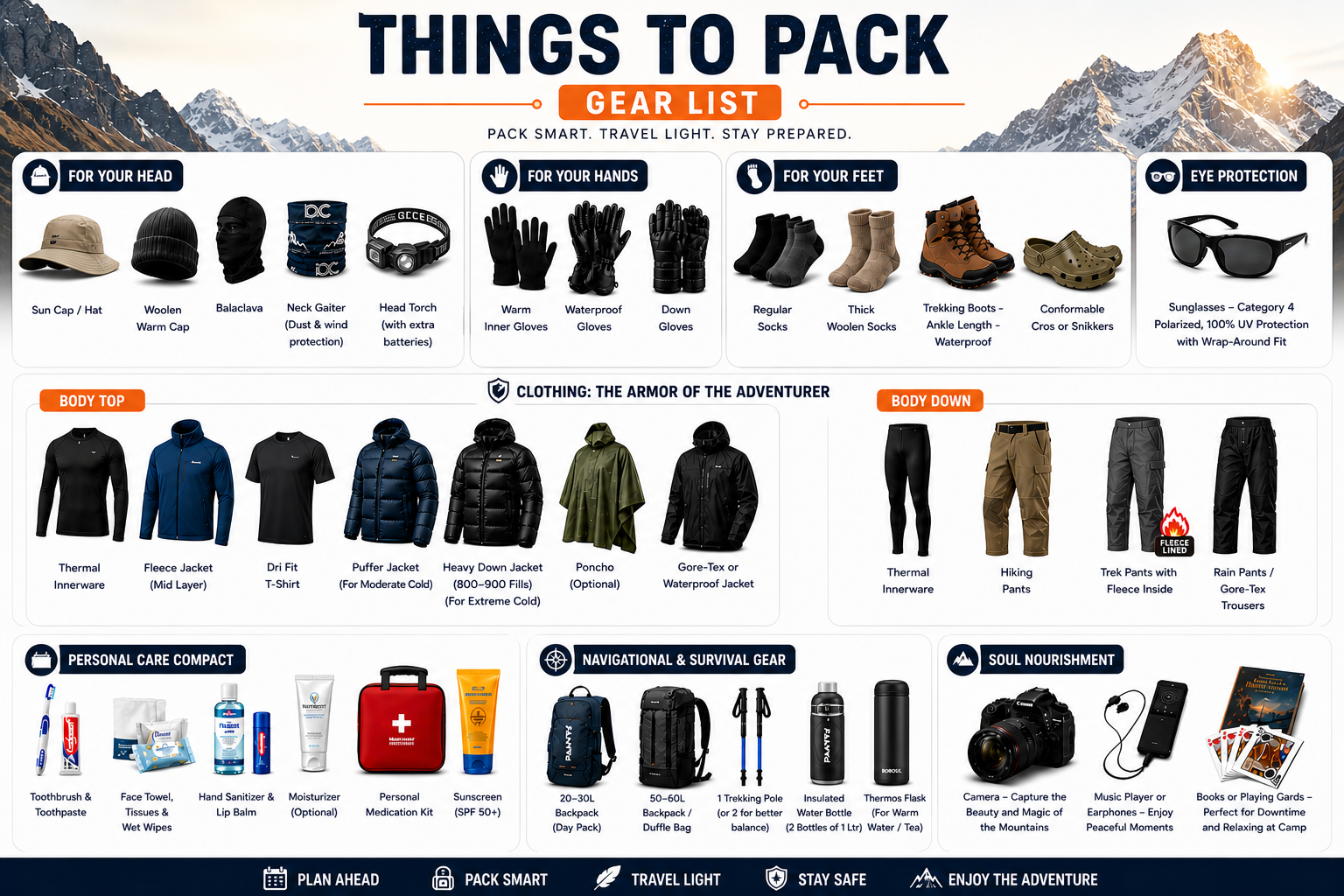



For rental bookings and additional equipment support, visit our contracted business partner — Summit Yak Official Website
The route covers a variety of high-altitude terrain, including:
Well-defined Everest region trekking trails.
Rocky sections and steep ascents.
Glacier moraines and glacial valleys.
Snowfields and potentially icy sections.
Three high mountain passes: Kongma La, Cho La and Renjo La.
The pass crossings involve demanding ascents and descents and can become challenging depending on snow and weather conditions.
The three high passes are:
Kongma La: approximately 5,535 m.
Cho La: approximately 5,420 m.
Renjo La: approximately 5,360 m.
The route also includes Everest Base Camp at 5,364 m, Kala Patthar at approximately 5,550 m and the Gokyo Valley.
This is one of the most demanding non-technical trekking routes in Nepal. It combines long trekking days, multiple high-altitude passes, steep ascents and descents, and extended time above 5,000 metres.
It is not recommended for beginners. Previous high-altitude trekking experience and excellent physical fitness are essential.
The two main trekking seasons are:
Spring: April – May.
Autumn: September – October.
These periods generally offer favourable trekking conditions and clearer mountain views. Actual conditions can vary from year to year.
The current itinerary is 20 days, including arrival in Kathmandu, the trekking route, return to Kathmandu and departure.
Daily walking durations generally range from 5–9 hours. The three pass-crossing days can be considerably longer, depending on trail and weather conditions.
Participants should have:
Excellent cardiovascular endurance.
Previous high-altitude trekking experience.
Strong legs and core.
The ability to handle consecutive long days with steep ascents and descents.
The mental resilience to manage fatigue and challenging mountain conditions.
Refer to the Trek Preparation Guide for detailed fitness and conditioning guidelines.
This is a non-technical trekking route and does not require formal mountaineering qualifications. However, participants must be comfortable walking on steep, rocky and potentially snow-covered terrain.
The trek leader will assess the prevailing conditions and guide the group through each crossing.
Essential items include:
Good trekking boots with ankle support and grip.
Warm layers and waterproof clothing.
Gloves, a warm hat and sun protection.
Trekking poles.
Water purification tablets or a filter.
A headlamp and suitable sunglasses.
Traction aids if recommended for the prevailing conditions.
Refer to the Things to Pack section for the complete checklist.
Water is available at teahouses and natural sources, but it should be treated or purified before drinking. Carry a suitable water filter or purification tablets and follow the trek leader’s instructions.
Yes. The route involves multiple days above 4,000 metres and three high-pass crossings. The itinerary includes acclimatisation days, but altitude-related illness remains a significant risk.
Maintain a steady pace, stay hydrated, eat regularly and report symptoms such as headaches, nausea, dizziness or unusual breathlessness immediately.
Pass crossings are dependent on weather, snow conditions and route safety. If conditions are unsuitable, the trek leader may delay the crossing, change the route or make other safety-related adjustments.
The itinerary should never take priority over participant safety.
Connectivity varies along the route. Some teahouses offer Wi-Fi and charging facilities for an additional fee, but network coverage and internet access may be limited or unavailable in remote sections.
A dedicated WhatsApp group will be created after registration for preparation and coordination.
Online briefing sessions may be conducted to explain the itinerary, equipment requirements, fitness expectations and important safety considerations. Participants will also have an opportunity to clarify their queries.
The Everest Base Camp + Three Passes Trek is an exceptional Himalayan journey that combines Everest Base Camp, the Gokyo Valley and three challenging high mountain passes. It requires excellent preparation, disciplined acclimatisation and respect for mountain conditions. For experienced trekkers, it offers one of the most rewarding challenges in the Everest region.
The Everest Base Camp + Three Passes trek offers a magnificent, epic Himalayan journey with multiple elevation challenges. It requires excellent fitness, strong acclimatization planning, and mountain discipline. Participants who prepare thoughtfully will enjoy one of the most rewarding treks in Nepal.
Boots & Crampons staff of highly trained professional guides is here to make your journey as safe and secure as possible. All of our trekking guides are medically certified and have abundant experience using their training in mountainous environments.
Our safety standards are based on the experiences of our founder, managing risk in some of the world’s most hostile environments.
While we advise our trekkers to carry light, our guides are always prepared with:
Be it queries about the trek, customization or anything else, our team is eager to assist you.
Need your questions answered right away?
Get in touch with us at
Discover similar treks from Boots & Crampons that quench your thirst for adventure.

Discover similar treks from Boots & Crampons that quench your thirst for adventure.