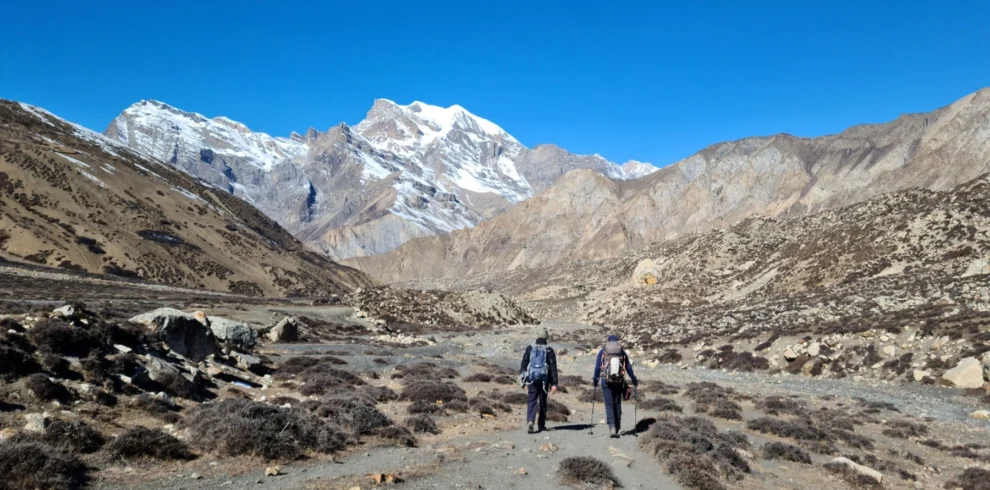
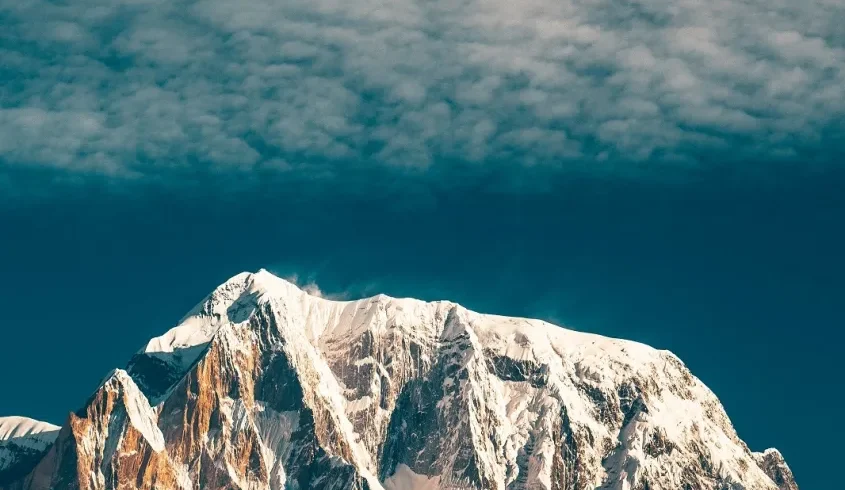
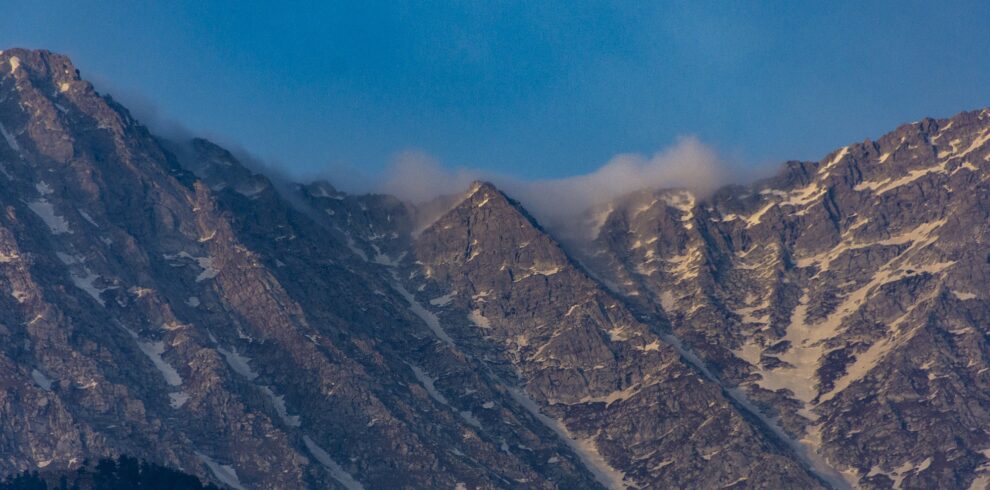
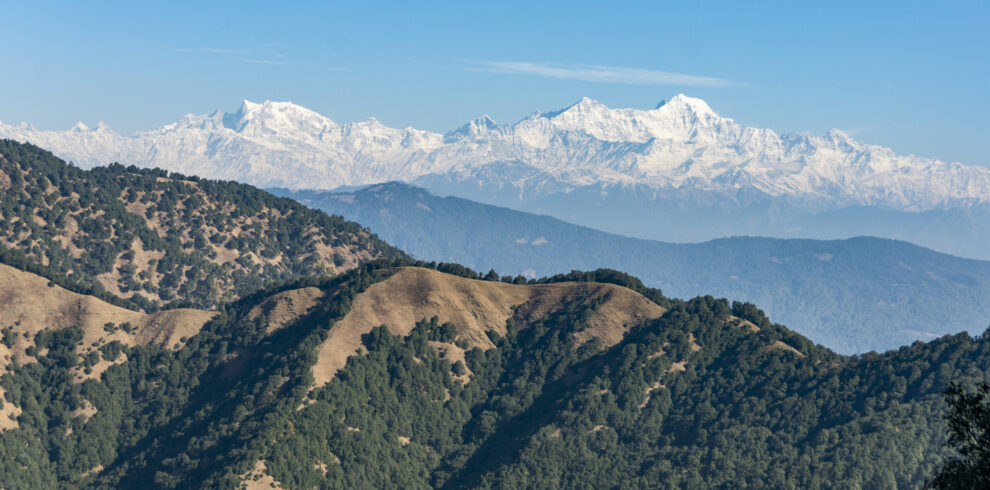
The Everest Base Camp + Lobuche East Expedition combines one of the world’s most iconic high-altitude trekking journeys with the challenge of climbing a Himalayan peak above 6,000 metres.
The journey follows the legendary Everest Base Camp trail through the heart of the Khumbu region. Walk through traditional Sherpa villages, cross suspension bridges over glacial rivers, visit ancient monasteries, and gradually gain altitude as you make your way towards Everest Base Camp at 5,364 metres.
The trek includes acclimatisation days at Namche Bazaar and Dingboche, an ascent to Kala Patthar for spectacular views of Mount Everest, and time to experience the dramatic landscapes surrounding the Khumbu Glacier.
The adventure then moves beyond trekking to the technical ascent of Lobuche East (6,119 m). Located near the Khumbu Glacier, Lobuche East is a popular Himalayan climbing objective that introduces mountaineers to higher-altitude snow and ice climbing. The ascent involves glacier travel, fixed-rope sections, steep snow slopes and exposed ridges.
With the guidance of experienced climbing Sherpas and the appropriate technical equipment, participants work towards reaching the summit and experiencing panoramic views of Everest, Lhotse, Nuptse, Ama Dablam and the surrounding Himalayan peaks.
This combination is ideal for trekkers who want to go beyond Everest Base Camp and experience their first 6,000-metre Himalayan climbing objective. However, the Lobuche East summit requires good physical conditioning, technical preparation, and the ability to function safely at high altitude.
Arrive at Tribhuvan International Airport and transfer to your hotel. Meet the expedition team for an initial briefing, review the itinerary and check your trekking and climbing equipment. If time permits, explore the local area.
Walking: No trekking planned.
Overnight: Kathmandu.
Travel to the airport for your flight to Lukla. Depending on the flight arrangements, this may involve a road transfer to Ramechhap. After landing in Lukla, begin trekking along the Dudh Koshi River, crossing suspension bridges and passing small mountain settlements before reaching Phakding.
Trekking distance: Approximately 8–9 km.
Walking duration: Approximately 3–4 hours, excluding the flight and transfers.
Overnight: Phakding.
Flights are subject to weather, airline operations and the confirmed flight route.
Follow the Dudh Koshi River through forested trails and suspension bridges. Enter Sagarmatha National Park, pass through Monjo and Jorsale, and begin the sustained ascent towards Namche Bazaar, the main trading centre of the Khumbu region.
Trek distance: Approximately 10–11 km
Walking duration: Approximately 6–8 hours
Spend the day acclimatising before gaining more altitude. Follow the planned acclimatisation route towards the Everest View Hotel area and visit the local museum, subject to the opening conditions. Return to Namche Bazaar for the night.
Trek distance: Approximately 4–6 km
Walking duration: Approximately 4–5 hours
The purpose of this day is to help the body adjust to altitude while allowing time to rest.
Continue along the trail towards Tengboche, climbing through the Khumbu landscape to the famous Tengboche Monastery. After the visit, descend through forested paths to Deboche for the overnight stay.
Trek distance: Approximately 10–11 km
Walking duration: Approximately 6–8 hours
Continue towards Dingboche, passing through traditional settlements and increasingly open high-altitude terrain. The route offers views of the surrounding Himalayan peaks as the vegetation becomes more sparse.
Trek distance: Approximately 9–10 km
Walking duration: Approximately 6–7 hours
Take an acclimatisation hike on the Nangarshang Peak above Dingboche, following the route. The ascent provides views of the surrounding peaks before returning to Dingboche for the night.
Trek distance: 4-5 kms overall
Walking duration: 5-7 hours
Nangarshang Peak is at an altitude of 5,055 m elevation and climbing the same helps in the acclimatisation process.
Continue through the high-altitude valley towards Lobuche. Pass the memorials dedicated to climbers who lost their lives in the Everest region and follow the rugged trail towards the settlement.
Trek distance: Approximately 7–8 km
Walking duration: Approximately 5–7 hours
Set out towards Gorakshep before continuing across rocky, glacial terrain to Everest Base Camp. Spend time at the base camp, conditions permitting, before retracing the route to Gorakshep for the night.
Trek distance: Approximately 10–11 km
Walking duration: Approximately 8–10 hours
The walking duration can vary considerably with weather, trail conditions, group pace and the time spent at base camp.
Start early for the ascent of Kala Patthar, a renowned viewpoint offering close-up views of Everest, Nuptse and the surrounding mountains. Descend to Gorakshep, collect your belongings and continue towards Lobuche.
This is a long day at high altitude. The guide will manage the pace and may adjust the plan according to weather, health and the group’s progress.
Trekking distance: Approximately 10–13 km, depending on the exact route and overnight arrangements.
Walking duration: Approximately 7–9 hours or longer.
Overnight: Lobuche.
Leave the main trekking trail and move towards Lobuche East Base Camp. The terrain becomes more remote and rugged as you approach the climbing area. The climbing team will review the next stages of the ascent and check the group’s equipment.
Trekking distance: Approximately 3–5 km.
Walking duration: Approximately 3–5 hours.
Overnight: Lobuche East Base Camp.
Continue towards High Camp over rocky and high-altitude terrain. The route may involve snow and glacier travel depending on the conditions. The climbing team will provide instructions on equipment use, rope procedures and summit-day preparations.
Rest and prepare equipment for an early start.
Trekking/climbing distance: Approximately 2–4 km.
Walking duration: Approximately 3–5 hours.
Overnight: Lobuche East High Camp.
Begin the summit attempt early under the supervision of the climbing team. The ascent involves steep snow slopes, fixed ropes and exposed terrain. Progress depends on snow conditions, weather, altitude and the group’s condition.
If conditions allow, continue towards the summit at 6,119 m before descending according to the climbing leader’s instructions.
Total climbing and descent duration: Allow approximately 8–12 hours or longer, depending on conditions and the descent endpoint.
Overnight: Lobuche East Base Camp.
Summit success is not guaranteed. The climbing leader may turn the group around or cancel the attempt for safety reasons.
Begin the return journey along the Khumbu Valley, retracing the trail towards Pheriche. The descent provides a gradual return to lower altitude after the climbing section.
Trekking distance: Approximately 7–9 km.
Walking duration: Approximately 4–6 hours.
Overnight: Pheriche.
Retrace the route through the valley, passing familiar villages and crossing suspension bridges along the way. The day involves a substantial descent, with some uphill sections.
Trekking distance: Approximately 18–20 km.
Walking duration: Approximately 8–10 hours.
Overnight: Namche Bazaar.
Continue descending through the Dudh Koshi Valley, passing Monjo, Phakding and other settlements before reaching Lukla. This is the final trekking day of the expedition.
Trekking distance: Approximately 18–19 km.
Walking duration: Approximately 8–10 hours.
Overnight: Lukla.
Take the scheduled flight from Lukla to Kathmandu, subject to weather and airline operations. If flights operate via Ramechhap, a road transfer to Kathmandu will be required. Spend the remainder of the day resting or exploring the city.
Flight duration: Approximately 30–40 minutes, excluding airport waiting and road transfers.
Overnight: Kathmandu.
Keep this day available for a delayed summit attempt or adjustments caused by weather, snow conditions or the group’s progress. If the summit has already been completed, the day may be used for rest or to begin the descent, as advised by the climbing leader.
Walking: As required by the operational plan.
Overnight: Anyplace wherever used.
Transfer to Tribhuvan International Airport for your onward journey. This marks the conclusion of the Everest Base Camp + Lobuche East expedition.
Three nights’ accommodation in Kathmandu on a bed-and-breakfast basis, as per the package.
Best-available teahouse accommodation during the trekking period.
Two nights of camping at Lobuche East Base Camp and High Camp, as per the climbing schedule.
Accommodation at Lukla, if required by the final flight schedule and package arrangements.
Breakfast, lunch and dinner during the trekking period.
Meals during the Lobuche East climbing and camping phase.
One standard menu item per meal at teahouses, as specified in the package. Additional orders and personal purchases are chargeable.
Airport arrival and departure transfers in Kathmandu.
Domestic flight tickets between Kathmandu and Lukla for participants.
Domestic flight tickets for the trekking and support staff, as specified in the package.
Domestic airport departure taxes.
Ground transportation for Kathmandu sightseeing as per the itinerary.
Road transfers between Kathmandu and Ramechhap, if required by flight operations, subject to the package terms.
English-speaking trekking guide and local support staff.
Experienced climbing Sherpa support for the Lobuche East climbing phase.
Porter or yak support for carrying trekking baggage as per the package’s load allowance.
Porter and support arrangements for expedition equipment and supplies.
Necessary trekking and climbing permits, including the Lobuche East climbing permit.
Camping arrangements at Lobuche East Base Camp and High Camp.
Kitchen and camp support during the climbing phase, as specified in the expedition plan.
Insurance for Boots & Crampons staff and local support staff.
Group climbing equipment required for the planned Lobuche East route, as specified by the climbing team.
Fixed ropes and essential technical safety equipment, as per route and expedition arrangements.
Boots & Crampons merchandise, including buff, duffel bag, T-shirt/fleece and other items as specified.
Expedition completion certificate and medal.
Exclusive discounts on Fast&Up products, subject to current partnership terms.
International airfare to and from Nepal.
Nepal entry visa fee.
Lunch and dinner in Kathmandu, except where specifically included in the package.
Bottled water, boiled water, beverages and alcoholic drinks unless specified.
Specialty coffee, snacks and additional food purchases.
Phone calls, internet, battery charging and laundry.
Personal expenses and additional services beyond the itinerary.
Personal travel, medical and high-altitude mountaineering insurance.
Emergency medical evacuation, including helicopter rescue.
Medical treatment, hospitalisation and other expenses arising from illness or injury.
Participants must arrange insurance that specifically covers high-altitude trekking, technical mountaineering up to 6,119 m and emergency evacuation.
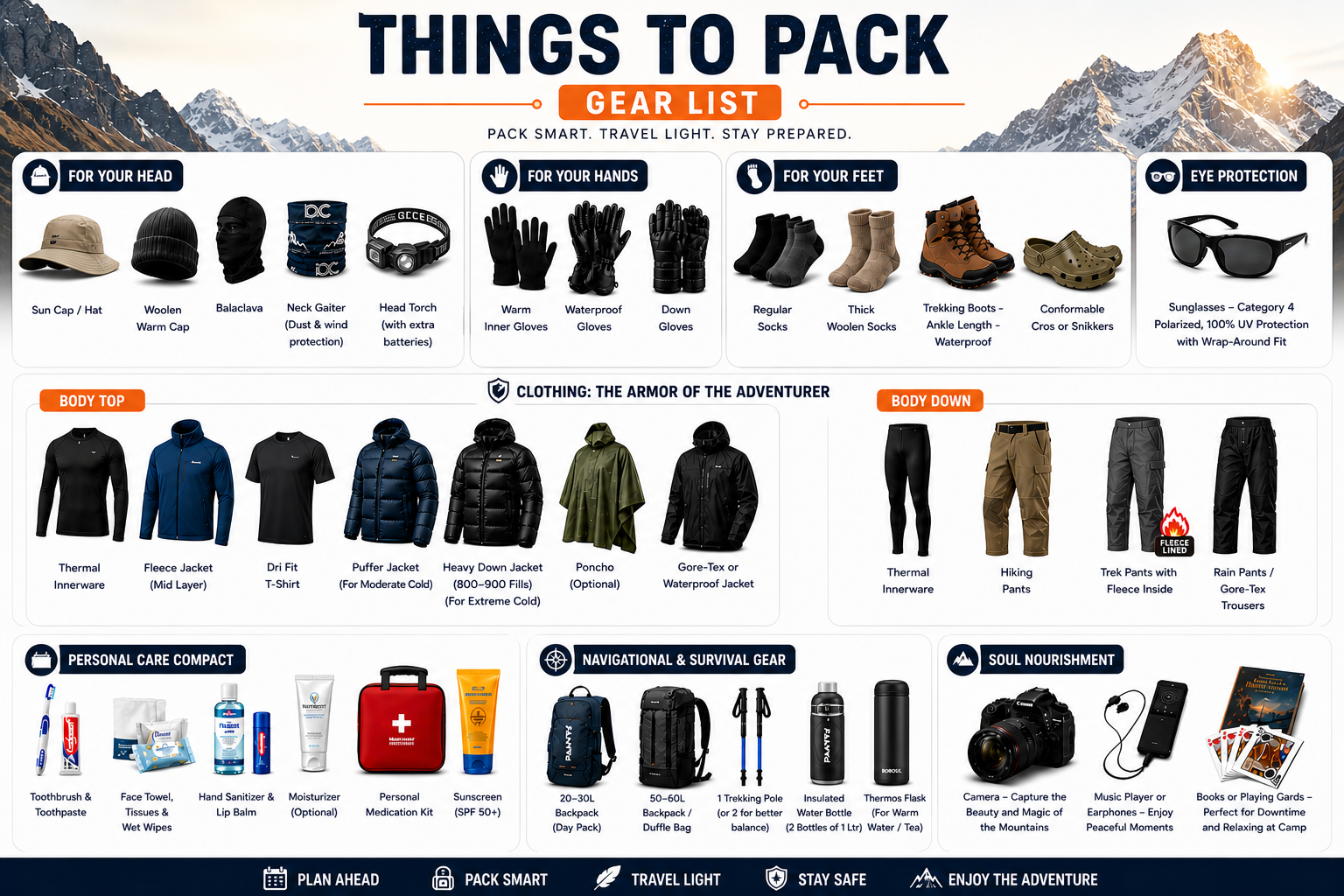
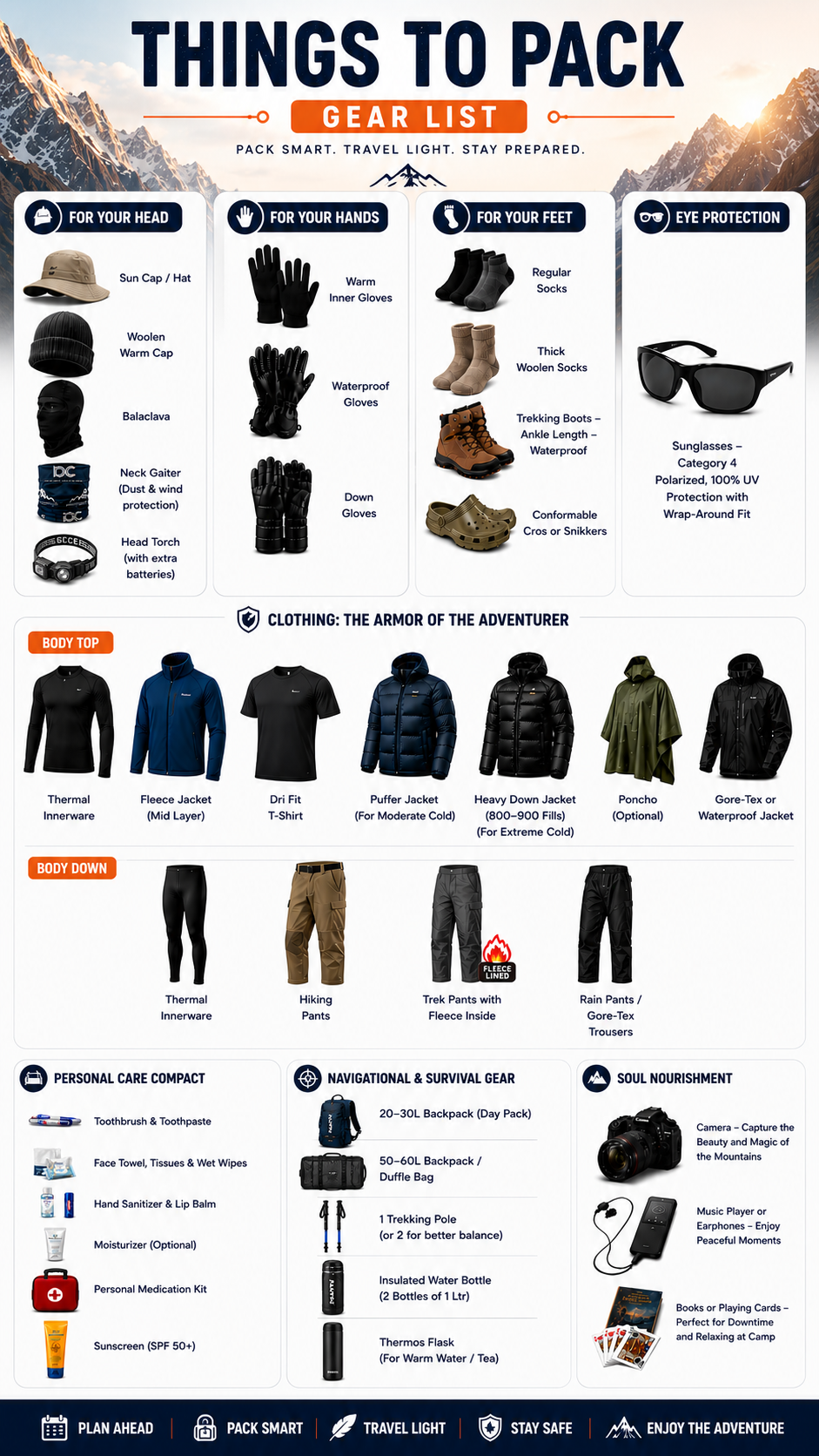
Personal trekking clothing and equipment.
Personal technical climbing equipment, unless specifically listed under inclusions.
Sleeping bag and personal insulation layers, unless confirmed as included.
Personal mountaineering boots, crampons, harness, helmet, ice axe and other technical equipment, unless specifically confirmed in the final equipment list.
Personal gear can be hired upon request, subject to availability and additional charges.
Tips and gratuities for trekking guides, climbing Sherpas, porters and support staff.
Additional hotel stays in Kathmandu or Lukla due to flight delays, weather conditions or unforeseen circumstances.
Additional transportation costs arising from itinerary changes or personal requests.
Room upgrades, early check-in or late check-out.
Costs arising from early departure from the trek or expedition due to personal reasons.
Helicopter return requests during the trek or climbing phase.
If a participant returns by helicopter, no deduction will be made for unused services that have already been prepaid.
Any deviation from the planned itinerary initiated by the participant.
Any service, activity or expense not specifically mentioned under Inclusions.
The Everest Base Camp + Lobuche East Expedition combines several days of high-altitude trekking with a technical mountaineering climb. Participants must be prepared for long walking days, changing weather, glacier travel and the physical demands of climbing above 6,000 metres.
A structured training programme, previous mountain experience and familiarity with basic mountaineering equipment are strongly recommended.
Physical Fitness
Begin structured training at least 3–4 months before the expedition.
Build cardiovascular endurance through jogging, cycling, swimming or brisk walking.
Include long hikes with elevation gain and progressively increase the duration and difficulty.
Develop leg strength through squats, lunges, step-ups and other lower-body exercises.
Include core-strength and stability exercises to improve balance while carrying a backpack.
Practise consecutive days of walking with a loaded backpack.
Build endurance for long summit days and sustained uphill movement.
Previous Experience
Previous high-altitude trekking experience is strongly recommended.
Participants should be comfortable walking for 6–8 hours on consecutive days over uneven mountain trails.
Previous exposure to snow, ice and basic mountaineering terrain is beneficial.
Familiarity with crampons, ice axe use, harnesses and fixed-rope systems is recommended.
Participants should be comfortable staying in basic mountain teahouses and high-altitude camps.
Technical Preparation
Understand the basic use of mountaineering boots, crampons and ice axes.
Familiarise yourself with fixed-rope climbing and descending techniques.
Learn the fundamentals of harness use, carabiners and safety systems.
Practise moving on snow and ice under the guidance of qualified instructors.
Attend all technical briefings and follow the climbing Sherpas’ instructions.
Ensure all personal technical equipment is compatible and properly fitted before departure.
Acclimatisation and Health
Follow the acclimatisation schedule carefully and do not rush the ascent.
Maintain good hydration and eat regularly, even when appetite is reduced.
Inform the expedition team about any existing medical concerns or medication requirements before departure.
Understand the symptoms of altitude-related illness and report discomfort immediately.
Never ignore symptoms or continue ascending against the advice of the trek leader, climbing leader or medical personnel.
Final Preparation
Check all personal trekking and climbing equipment well before departure.
Ensure your insurance specifically covers technical mountaineering up to 6,119 m, medical treatment and emergency evacuation.
Keep essential medication and personal documents accessible.
Attend all pre-expedition briefings and complete the required documentation.
Be mentally prepared for changes in the summit schedule due to weather and mountain conditions.
Proper preparation increases not just your chances of success, but also your safety and enjoyment in the mountains.

For rental bookings and additional equipment support, visit our contracted business partner — Summit Yak Official Website
It combines the classic Everest Base Camp trek with a climbing extension to Lobuche East Peak. Participants visit Everest Base Camp and Kala Patthar before moving to Lobuche Base Camp and High Camp for the summit attempt.
The main high points are Everest Base Camp at 5,364 m, Kala Patthar at approximately 5,545 m and Lobuche East Peak at 6,119 m.
It is a challenging high-altitude trek and mountaineering expedition. The EBC section involves sustained trekking at altitude, while Lobuche East adds technical climbing, steep snow slopes, fixed ropes and an exposed summit ridge.
The current Boots & Crampons itinerary is planned for 20 days, including arrival and departure, the EBC trek, the Lobuche East climbing section and a buffer day. Flight delays or operational changes may affect the schedule.
Previous high-altitude trekking experience is strongly recommended. Previous mountaineering experience is beneficial because Lobuche East involves technical climbing at high altitude. Participants must be willing to learn the required techniques and follow the climbing team’s instructions.
The main seasons are spring (April–May) and autumn (September–October). Weather and snow conditions vary, and the summit attempt depends on conditions during the expedition.
Yes. The itinerary visits Everest Base Camp and Kala Patthar before continuing to Lobuche Base Camp and High Camp for the climbing section.
No. Summit success depends on weather, snow conditions, acclimatisation, individual health and the climbing leader’s safety assessment. The leader may turn the group around or cancel the attempt if necessary.
You should have strong cardiovascular endurance and be comfortable walking for several hours over consecutive days. The summit attempt can require approximately 8–12 hours or longer for climbing and descent, depending on conditions and the descent endpoint.
The climbing team should brief participants on the required equipment and techniques. Confirm the exact practical training arrangements with Boots & Crampons before booking.
Accommodation is generally in hotels in Kathmandu, teahouses during the EBC trekking section and expedition camps during the Lobuche East climbing section. Facilities become more basic at higher elevations.
The package is intended to include breakfast, lunch and dinner during the trekking and climbing period, with breakfast during the included Kathmandu hotel stay. Confirm the final meal arrangements and any exceptions with Boots & Crampons before booking.
The climbing section requires suitable equipment, potentially including mountaineering boots, crampons, an ice axe, a harness and a helmet. The exact items provided by Boots & Crampons must be confirmed before departure; personal equipment and rentals may incur additional charges.
Participants should have specialist travel and mountaineering insurance covering high-altitude trekking and climbing to at least 6,200 m, emergency evacuation and medical treatment. Check the policy wording carefully.
The itinerary includes a buffer day for weather-related or operational changes. If conditions remain unsuitable, the climbing leader may modify or cancel the summit attempt. The buffer day does not guarantee that a summit attempt will be possible.
No. Flights depend on weather, visibility, airline schedules and operational conditions. Delays or cancellations may require additional accommodation or transport, and extra costs may apply under the package terms.
Some equipment may be available for hire, subject to availability and the rental arrangements. Contact Boots & Crampons in advance to confirm the equipment list, sizes, rental charges and collection arrangements.
Carry sufficient personal funds for expenses not included in the package, such as extra drinks, snacks, charging facilities, Wi-Fi, hot showers, tips and unforeseen costs. The amount depends on your spending habits and the final inclusions.
An early departure may require additional transport or accommodation arrangements. Helicopter evacuation and other emergency services are subject to operational availability and insurance coverage. Costs and refunds are governed by the package terms and applicable booking conditions.
The combined package is designed for participants who want to complete the EBC trek and continue to a high-altitude climbing objective. Those who do not want to climb Lobuche East should consider the standalone Everest Base Camp trek instead.
The Everest Base Camp + Lobuche East Peak expedition blends one of the world’s most iconic treks with a rewarding high-altitude peak climb. It demands strong preparation, altitude readiness, and mountain discipline — and rewards you with breathtaking views and a powerful sense of achievement.
Boots & Crampons staff of highly trained professional guides is here to make your journey as safe and secure as possible. All of our trekking guides are medically certified and have abundant experience using their training in mountainous environments.
Our safety standards are based on the experiences of our founder, managing risk in some of the world’s most hostile environments.
While we advise our trekkers to carry light, our guides are always prepared with:
Be it queries about the trek, customization or anything else, our team is eager to assist you.
Need your questions answered right away?
Get in touch with us at
Discover similar treks from Boots & Crampons that quench your thirst for adventure.

Discover similar treks from Boots & Crampons that quench your thirst for adventure.