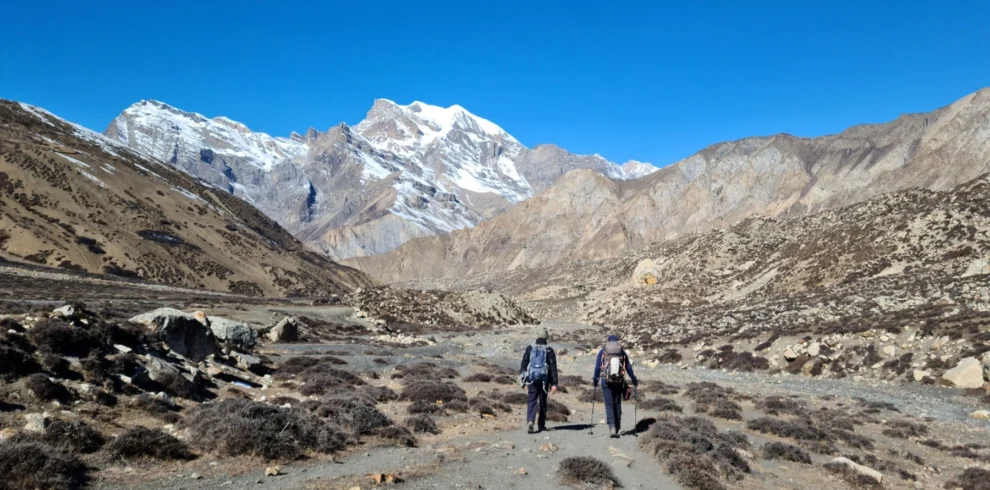
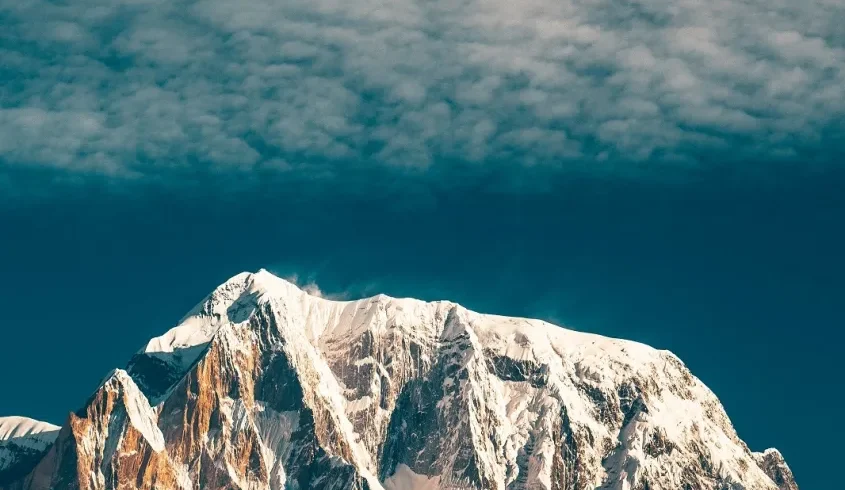
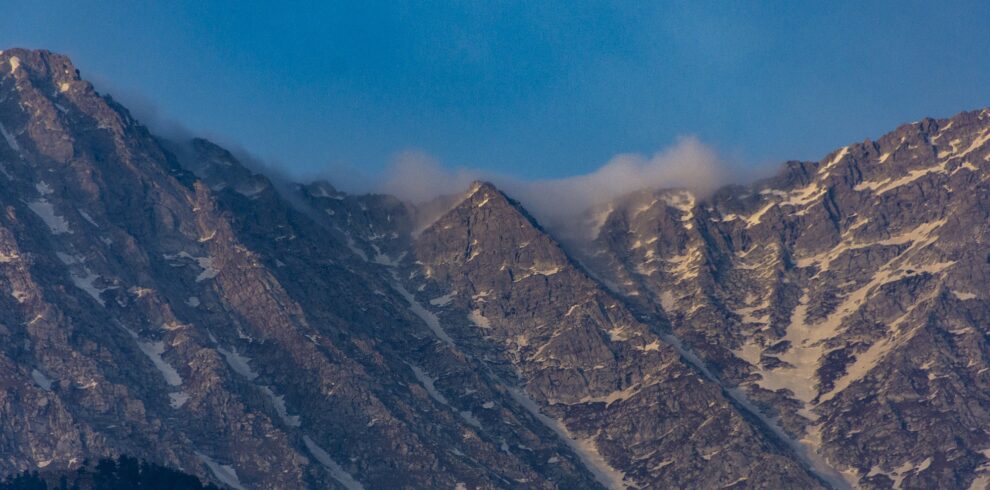
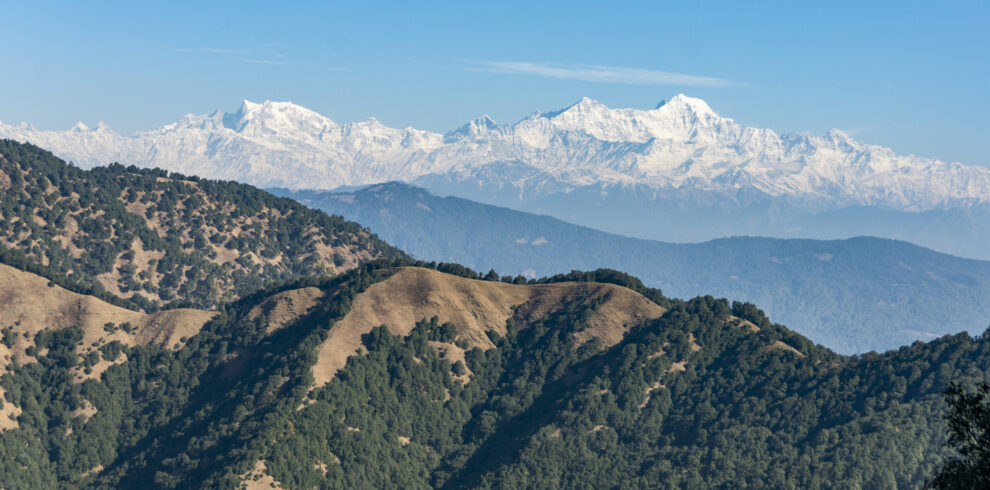
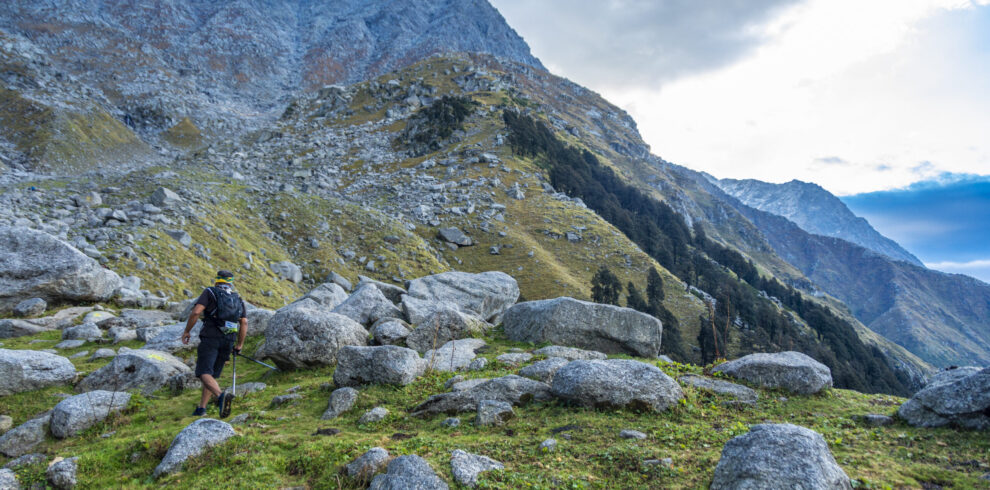
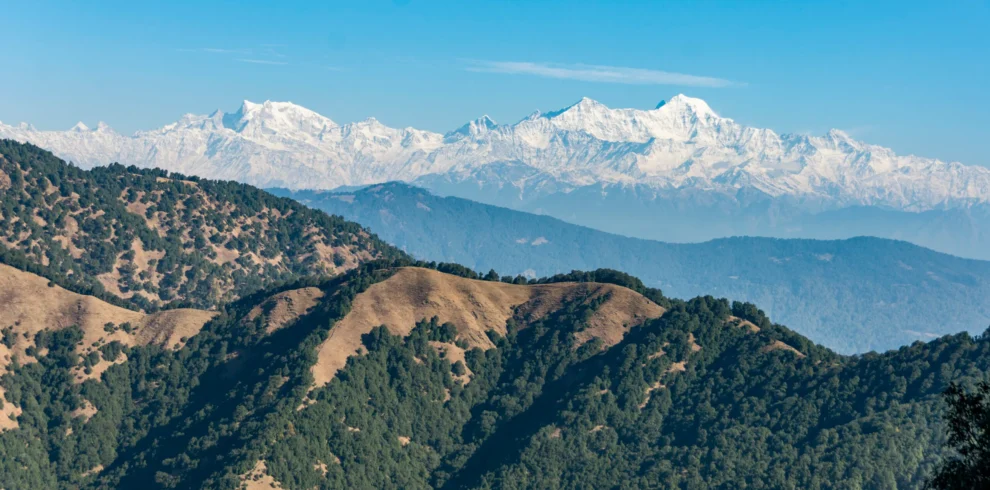
Deo Tibba, standing at 6,001 m, is a prominent peak in the Pir Panjal Range of Himachal Pradesh. This technical mountaineering expedition takes climbers through forested valleys, alpine meadows, glacial terrain and high-altitude camps before the final summit attempt.
The expedition begins in Manali and follows the route through Khanol, Chikka, Seri and Tenta Base Camp. After acclimatisation and technical preparation, the team progresses to higher camps, navigating glacier terrain and steep snow and ice sections before attempting the summit.
The climb requires good physical conditioning, previous high-altitude experience and familiarity with mountaineering equipment. Glacier travel, crampon use, ice axe techniques and rope systems form important parts of the expedition.
Deo Tibba is suited to climbers looking to undertake a challenging 6,000 m Himalayan objective with an experienced expedition team. Summit success depends on fitness, acclimatisation, weather, snow conditions and the team’s safety assessment.
Note: Prices mentioned are applicable for Indian passport holders. For foreign passport holders, the cost may vary. Please connect with the Boots & Crampons team for clarity.
Note: An indemnity document will be shared before the expedition. Signing it is mandatory.
Arrive in Manali and transfer to the hotel. The day is kept relatively light to recover from travel fatigue. In the evening, meet the expedition leader for a briefing covering the itinerary, equipment, safety procedures and final preparations. Overnight stay at the hotel.
After breakfast, drive from Manali to Khanol village, the starting point of the trek. Begin walking along forest trails and beside the Jagatsukh Nallah towards Chikka. The gradual ascent provides an introduction to the mountain terrain. Set up camp and rest for the night.
Drive: approximately 15–20 km | Trek: approximately 4–6 km | Walking time: 4–5 hours
Continue along the Jagatsukh Nallah through forested sections, rocky trails and alpine meadows. The landscape gradually opens into the broad meadow of Seri, surrounded by mountain slopes. Arrive at camp, relax and prepare for the next day’s ascent.
Trek: approximately 7–8 km | Walking time: 5–7 hours
Continue towards Tenta, the Deo Tibba Base Camp. The trail passes through alpine terrain, rocky sections and glacial surroundings, with increasingly expansive mountain views. On arrival, settle into camp, hydrate and rest in preparation for the higher camps.
Trek: approximately 5–7 km | Walking time: 5–6 hours
Spend the day acclimatising to the altitude. Depending on conditions, undertake a short acclimatisation walk around Base Camp. The expedition leader will review essential safety procedures and the use of mountaineering equipment. Participants should use this day to rest, hydrate and prepare for the climb ahead.
Carry essential equipment and supplies towards Camp 1 along the upper mountain route. After depositing the loads as planned, return to Base Camp. This activity supports the establishment of the higher camp and helps the team prepare for the next stage of the expedition.
Trek: approximately 3–5 km one way | Total activity: 4–6 hours
After an early start, move from Base Camp to Camp 1 along the previously established route. The ascent involves high-altitude terrain and may include snow, ice and glaciated sections. On arrival, settle into camp, hydrate and rest.
Trek: approximately 4–5 km | Walking time: 5–7 hours
Carry essential equipment towards Summit Camp to support the next stage of the climb. The terrain may become steeper and more exposed, depending on route and snow conditions. After completing the load ferry, return to Camp 1 for the night.
Trek: approximately 2–4 km one way | Total activity: 4–6 hours
Move towards Summit Camp through high-altitude terrain. The route may involve snow slopes, glacier travel and exposed sections. On arrival, prepare equipment for the summit attempt and attend a briefing covering the route, weather, turnaround time and safety procedures. Overnight at Summit Camp.
Trek: approximately 3–4 km | Walking time: 5–6 hours
Begin the summit attempt early in the morning. The climb involves steep snow and ice slopes, glacier travel and technical mountaineering sections. After reaching the summit, take a short break, subject to conditions, and begin the descent. Continue towards Camp 1 if weather, route conditions and the team’s condition permit.
Summit day: approximately 10–14 hours or longer, depending on conditions.
This day serves as a buffer for adverse weather or a rescheduled summit attempt. If the summit has already been completed, the team may continue descending towards Base Camp, depending on progress and the expedition leader’s assessment. The overnight location will depend on the team’s position and conditions.
Continue descending through the upper valley towards Chikka. The descent passes through rocky terrain and alpine meadows, returning to lower elevations. On arrival, set up camp and rest.
Trek: approximately 12–14 km
Walking time: 7–9 hours, depending on the starting camp
After breakfast, trek from Chikka to Khanol, completing the approach and descent route. From Khanol, drive back to Manali and check into the hotel. The evening is available to relax after the expedition.
Trek: approximately 4–5 km
Walking time: 3–4 hours
Drive: approximately 15–20 km
After breakfast, check out of the hotel and depart for your onward journey. The expedition concludes.
Note: Distances and walking times are approximate and may vary according to the route, snow conditions and campsite locations.
Transportation
Pick-up and drop-off from the designated reporting point to the trek start and end points, as specified in the itinerary.
Local transportation between Manali and the trek starting and ending points, as specified in the itinerary.
Accommodation
Stay in a 3-star hotel in Manali, as per the itinerary.
Camping in expedition tents on a twin-sharing basis during trekking and climbing days.
Sleeping mattresses and designated camping facilities.
Meals
Meals during the expedition, starting from dinner on Day 1 until breakfast on the final day, as specified in the itinerary.
Nutritious vegetarian meals, including breakfast, lunch, evening snacks, soup and dinner.
Hot beverages, including tea in the morning and evening.
Trek Leadership and Support Staff
Experienced and qualified Boots & Crampons expedition leaders and guides.
Dedicated support staff, including expedition cook, kitchen helpers and camp setup team.
Porters or mules for carrying camping equipment and group logistics, as per the operational plan.
Camping and Safety Equipment
Expedition tents, sleeping mattresses and dining tent.
Kitchen tent, cooking equipment and utensils.
First-aid medical kit carried by the expedition team.
Sleeping bag, as specified in the final equipment list.
Mountaineering Equipment
Climbing boots, ice axe, harness, team rope, helmet and crampons, as confirmed in the final equipment plan.
Any additional group technical equipment specified by Boots & Crampons before departure.
Permits and Administration
Required permits, entry fees and camping charges for the expedition.
Expedition coordination and logistics management by the Boots & Crampons team.
Additional Benefits
Exclusive participant discount on Fast&Up nutrition products, where applicable.
Expedition completion certificate, where applicable.
Travel and Transportation Outside the Itinerary
Travel expenses from your hometown to Manali and return.
Any transportation not specifically mentioned in the inclusions.
Personal Equipment and Gear
Personal trekking and mountaineering gear not specifically listed as included.
Personal clothing, thermal layers, gloves, socks and other individual equipment.
Personal trekking shoes.
Personal porter services for carrying individual luggage; these may be arranged at an additional cost.
Personal Expenses
Bottled water, personal snacks, beverages and other individual purchases.
Personal toiletries, medication and other personal supplies.
Laundry, telephone calls and incidental expenses.
Tips and gratuities for guides, porters and support staff.
Insurance and Medical
Personal travel and mountaineering insurance.
Emergency evacuation and helicopter rescue expenses.
Medical treatment, consultations and medicines beyond the basic expedition first-aid provision.
Additional Expenses and Reserve Days
Additional accommodation, meals or transportation resulting from delays or changes to the itinerary.
Expenses arising from weather delays, natural disasters, route closures or other circumstances beyond the operator’s control.
Costs resulting from a personal early exit from the expedition.
Additional expenses arising from the use of a reserve day, as specified in the booking terms. If the reserve day is not used, the itinerary may be shortened by that day without a refund, as per the applicable policy.
General Exclusions
Any service, facility or expense not explicitly mentioned in the Inclusions section.
Physical Fitness
Start preparing at least 2–3 months before the expedition.
Follow a regular cardio routine, including jogging, cycling, brisk walking or stair climbing.
Build leg strength and core stability through squats, lunges, step-ups and other strength exercises.
Practise long-distance walks and uphill hikes with a gradually increasing backpack load.
Prepare for consecutive days of trekking and long hours of physical activity at high altitude.
Previous Experience
Previous high-altitude trekking experience is mandatory.
Participants must be comfortable trekking on steep, uneven and rocky terrain.
Familiarity with mountaineering equipment and techniques, including crampons, ice axes, harnesses, rope systems and glacier travel, is essential.
This expedition is not suitable for beginners or participants without the technical skills required for the climb.
Mental Preparation
Be prepared for cold temperatures, basic camping facilities and changing weather conditions.
Develop patience, discipline and the ability to work as part of a team.
Understand that summit success depends on weather, route conditions and the expedition leader’s safety assessment.
Acclimatisation and Health
Follow the acclimatisation schedule and maintain adequate hydration and nutrition.
Inform the expedition leader immediately if you experience symptoms such as headaches, nausea, dizziness or unusual breathlessness.
Consult your doctor before the expedition if you have any medical concerns.
Ensure that your travel and mountaineering insurance covers the planned altitude and emergency evacuation.
Final Preparation
Check the complete packing list and confirm the technical equipment provided by Boots & Crampons.
Ensure that your mountaineering boots and other personal equipment fit correctly and have been tested before departure.
Follow all instructions from the expedition leader. Safety takes priority over reaching the summit.
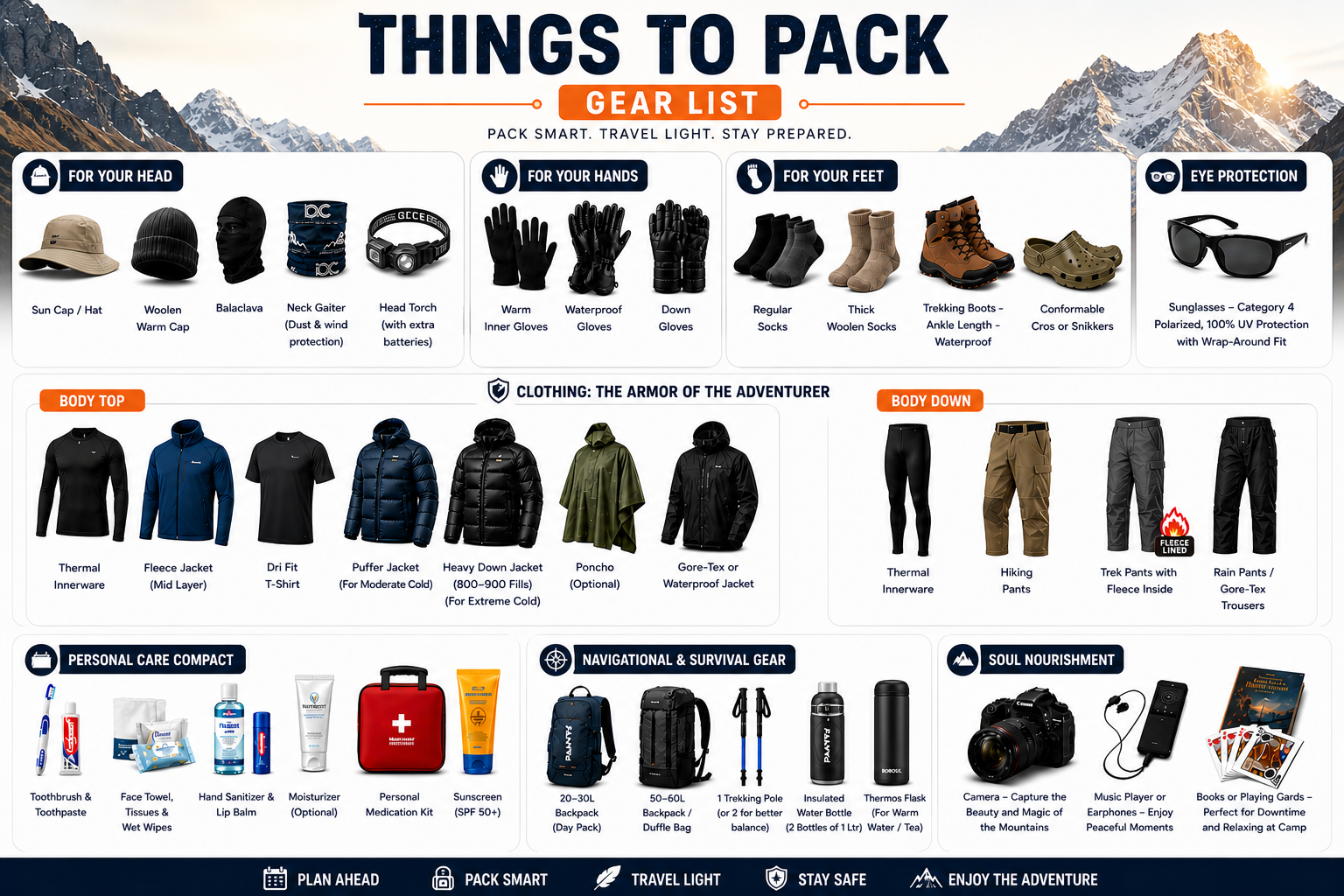

For rental bookings and additional equipment support, visit our contracted business partner — Summit Yak Official Website
The expedition involves forest trails, alpine meadows, rocky terrain, glacier travel and snow and ice slopes. The higher sections may include steep and exposed terrain requiring technical mountaineering skills.
The summit of Deo Tibba is approximately 6,001 m (19,688 ft) above sea level.
Deo Tibba is a difficult technical mountaineering expedition. It involves sustained physical effort at altitude, glacier travel, steep snow slopes and technical climbing sections. It is not suitable for beginners.
Yes. Participants should have previous high-altitude experience and familiarity with crampon and ice-axe use, glacier travel, rope procedures and movement on snow and ice. Advanced rock-climbing experience is not necessarily the focus, but the technical skills required for the route are essential.
May–June and September–October are potential climbing windows. Actual conditions vary each year, and the final decision depends on weather, snow conditions, route accessibility and the expedition leader’s assessment.
The planned itinerary is 14 days, including the approach trek, acclimatisation, movement between camps, summit attempt, descent and departure. The schedule may change depending on mountain conditions.
Participants should have strong cardiovascular endurance, good leg and core strength, and experience with long days in mountain terrain. A structured training programme of at least 2–3 months is recommended, alongside the technical experience required for the climb.
Essential equipment includes suitable mountaineering boots, crampons, an ice axe, harness, helmet, appropriate gloves and warm high-altitude clothing. The final list of equipment provided by Boots & Crampons must be confirmed before departure.
Water may be sourced from mountain streams or treated supplies. Water should be purified before drinking. Follow the expedition team’s instructions and carry reusable bottles and any recommended personal purification equipment.
Hotel accommodation is provided in Manali as specified in the itinerary. During the trekking and climbing sections, participants stay in expedition tents at designated camps.
Meals are included as specified under Inclusions, generally covering breakfast, lunch, evening snacks, soup, dinner and hot beverages during the expedition. Check the final itinerary for the exact meal schedule.
The itinerary includes an acclimatisation and preparation day at Base Camp. The expedition leader may review equipment use, rope procedures and safety protocols. This session does not replace prior technical mountaineering experience.
No. Summit success depends on weather, snow and route conditions, acclimatisation, team fitness and safety considerations. The expedition leader’s decisions regarding summit attempts and descent are final.
A reserve day is included in the itinerary. However, weather delays can extend beyond the available buffer. Any changes to the itinerary and associated additional costs will be handled according to the booking terms.
A dedicated WhatsApp group may be created after registration for preparation and coordination. An online briefing may also be arranged to explain the itinerary, equipment requirements, technical expectations and participant queries. The operations team will confirm the arrangements.
Participants should arrange suitable insurance that explicitly covers high-altitude mountaineering at the planned altitude and emergency evacuation. Check the policy terms carefully before travelling.
No. Deo Tibba is not recommended for beginners. Participants should have previous high-altitude experience, strong physical conditioning and the technical skills needed for the planned route.
Deo Tibba is a rewarding Himalayan expedition that blends physical endurance, snow/ice travel, and high-altitude challenge. With disciplined preparation and respect for mountain conditions, this climb is accessible and fulfilling for well-trained adventurers.
Boots & Crampons staff of highly trained professional guides is here to make your journey as safe and secure as possible. All of our trekking guides are medically certified and have abundant experience using their training in mountainous environments.
Our safety standards are based on the experiences of our founder, managing risk in some of the world’s most hostile environments.
While we advise our trekkers to carry light, our guides are always prepared with:
Be it queries about the trek, customization or anything else, our team is eager to assist you.
Need your questions answered right away?
Get in touch with us at
Discover similar treks from Boots & Crampons that quench your thirst for adventure.

Discover similar treks from Boots & Crampons that quench your thirst for adventure.