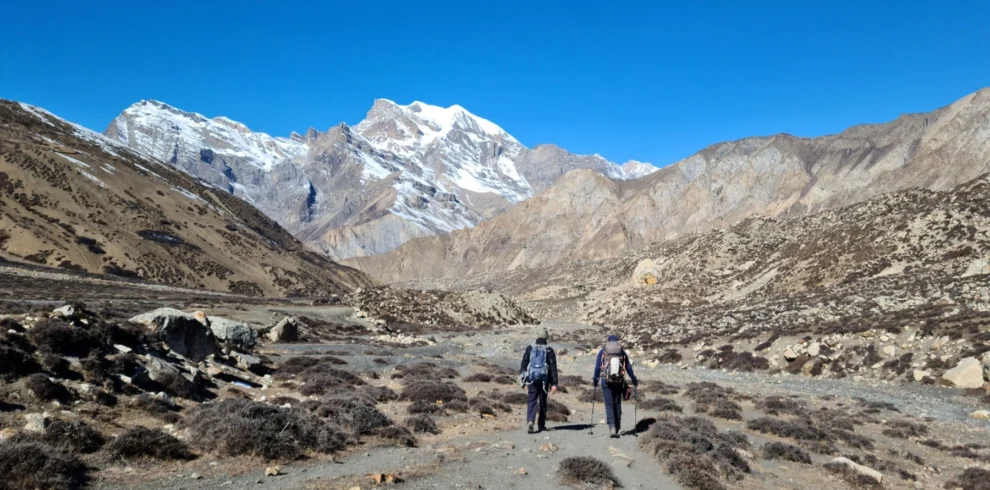
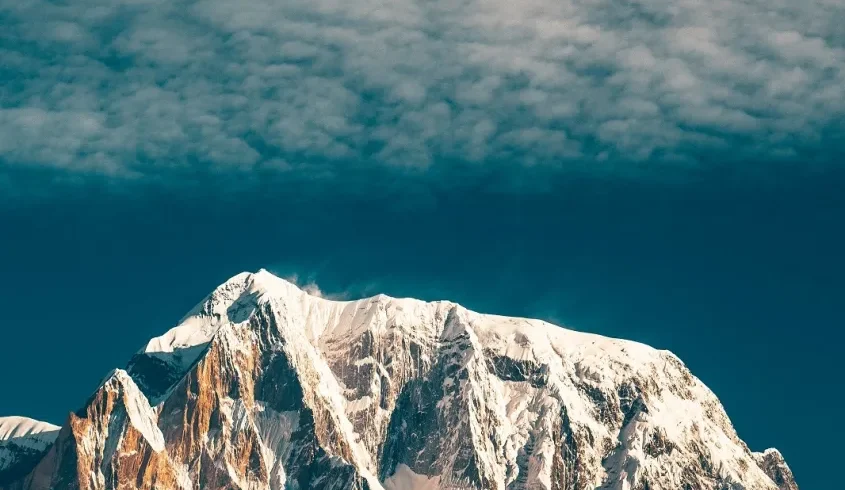
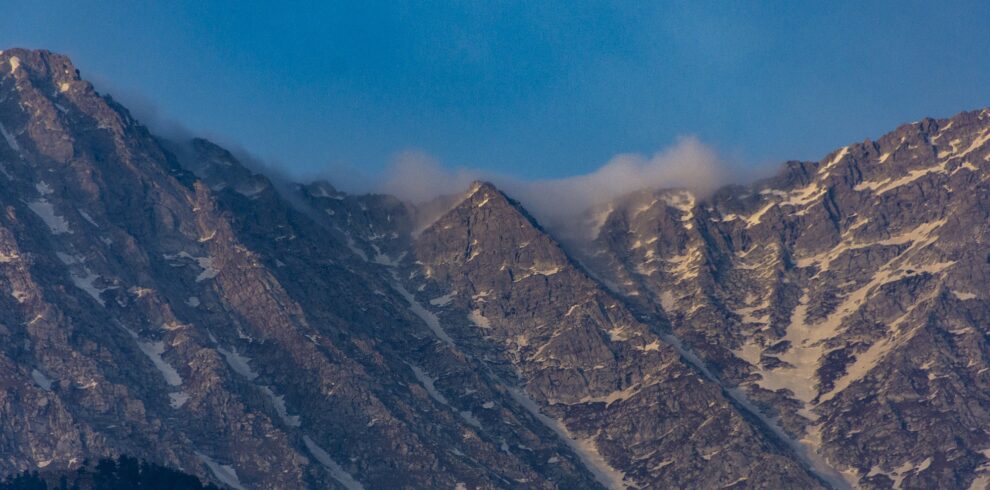
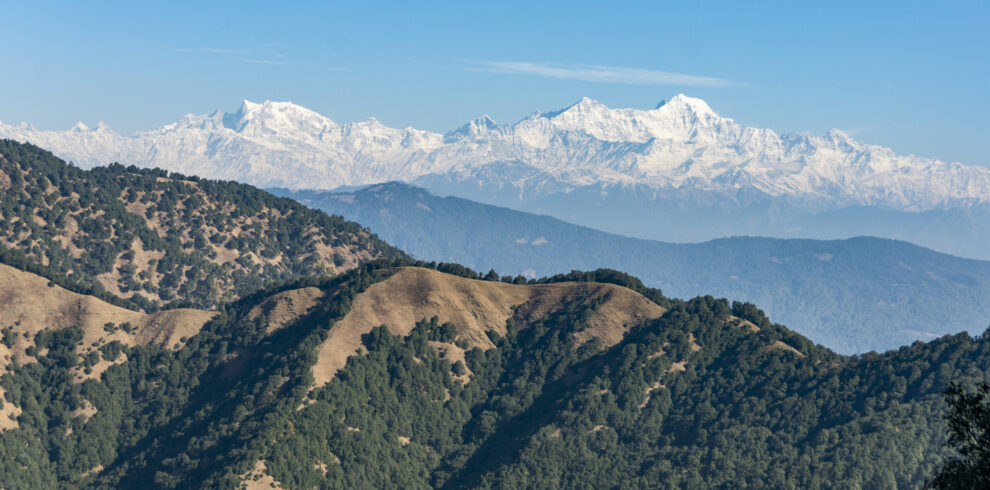
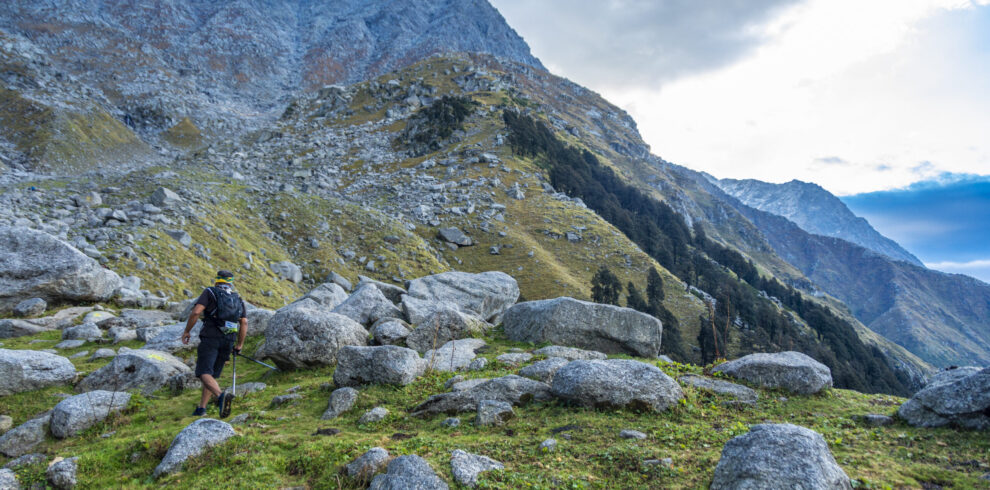
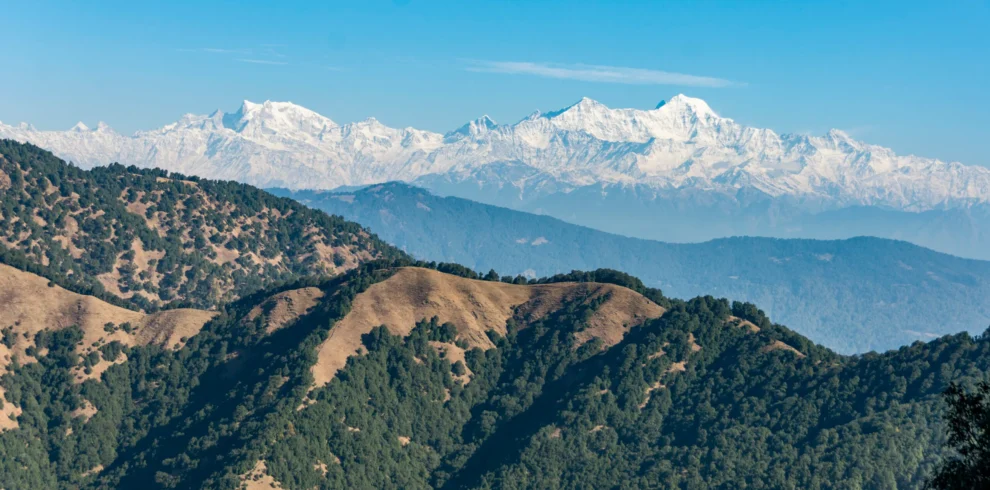
The Bali Pass Trek is a challenging high-altitude Himalayan trek connecting the Har Ki Dun valley with the Yamunotri region of Uttarakhand. The route takes you through dense forests, alpine meadows, glacial valleys, remote campsites and the beautiful Ruinsara Tal before reaching the high mountain pass at 4,950 m.
The journey combines scenic Himalayan landscapes with a demanding pass crossing. Trekkers ascend gradually through the Supin Valley, camp at increasingly higher altitudes and eventually cross Bali Pass before descending towards Lower Dhamni and Janki Chatti.
The Bali Pass crossing is the most challenging section of the trek. It involves a steep ascent and descent over high-altitude terrain, where snow, loose ground and exposed sections may be encountered depending on the season and weather conditions.
This trek is best suited to physically fit trekkers with previous high-altitude trekking experience. Good stamina, appropriate preparation and the ability to walk for extended hours are essential.
Note: Prices mentioned are applicable for Indian passport holders. For foreign passport holders, the cost may vary. Please connect with the Boots & Crampons team for clarity.
Note: An indemnity document will be shared before the trek. Signing it is mandatory.
Drive: Approximately 200–220 km
Driving Time: 8–10 hours
Altitude: Sankri – approximately 1,950 m
Stay: Guesthouse
Meet the team in Dehradun and begin the drive towards Sankri through the mountain roads of Uttarakhand. The journey passes through scenic valleys, villages and forested landscapes.
Arrive in Sankri, check in to the guesthouse and prepare for the trek. The team will brief participants about the route, equipment and the days ahead.
Drive: Sankri to Taluka – approximately 12 km
Trekking Distance: Approximately 10–12 km
Trekking Time: 6–7 hours
Altitude: Seema – 2,560 m
Stay: Camp
After breakfast, drive from Sankri to Taluka, the usual starting point for the trek.
Begin walking along forested trails beside the Supin River. The route passes through villages, wooden bridges, streams and shaded forest sections before gradually reaching the campsite around Seema or Chilud Gad.
The day’s walk introduces you to the landscape of the Har Ki Dun region.
Trekking Distance: Approximately 6 km
Trekking Time: 5–6 hours
Altitude: Approximately 3,000 m
Stay: Camp
Continue uphill through forested trails and mountain paths towards Devsu Bugyal, a beautiful alpine meadow offering open views of the surrounding Himalayan landscape.
The route involves a gradual gain in altitude, allowing the group to progress towards the higher camps. On arrival, settle into camp and rest for the next day’s walk.
Trekking Distance: Approximately 8–10 km
Trekking Time: 5–6 hours
Altitude: Ruinsara Tal – approximately 3,565–3,600 m
Stay: Camp
Leave Devsu Bugyal and continue towards Ruinsara Tal through mountain trails, meadows and forested sections.
Ruinsara Tal is a scenic high-altitude lake surrounded by rugged Himalayan terrain. The landscape becomes increasingly alpine as you approach the lake.
Arrive at the campsite and spend the evening resting and enjoying the remote mountain surroundings.
Trekking Distance: Approximately 4 km
Trekking Time: 4–5 hours
Altitude: Odari – approximately 4,000 m
Stay: Camp
Continue the ascent towards Odari, gaining altitude through rugged mountain terrain.
Although the trekking distance is relatively short, the increasing altitude makes it important to maintain a steady pace and stay hydrated.
After reaching camp, rest and prepare for the higher-altitude sections ahead.
Trekking Distance: Approximately 3–5 km
Trekking Time: 3–4 hours
Altitude: Approximately 4,600–4,680 m
Stay: High-altitude camp
Trek towards Advance Base Camp, continuing into the high-altitude terrain below Bali Pass.
The ascent requires careful pacing as the air becomes thinner and the terrain more demanding. On arrival, the team will review the weather and route conditions and prepare for the pass-crossing day.
Use the remainder of the day to rest, hydrate and organise your equipment for an early start.
Trekking Distance: Approximately 10–14 km
Trekking Time: 8–11 hours
Highest Point: Bali Pass – 4,950 m
Altitude at Lower Dhamni: Approximately 3,350–3,415 m
Stay: Camp
This is the longest and most demanding day of the trek.
Begin early and ascend towards Bali Pass. The route involves steep mountain terrain and may include snow, loose ground and exposed sections, depending on prevailing conditions.
Reach Bali Pass at approximately 4,950 m and take in the views of the surrounding Himalayan peaks before beginning the descent.
Continue carefully towards Lower Dhamni. The long descent requires concentration and stamina, particularly after the ascent to the pass.
Arrive at camp and rest after completing the crossing.
Trekking Distance: Approximately 8–9.5 km
Trekking Time: 4–5 hours
Altitude: Janki Chatti – approximately 2,650 m
Drive to Dehradun: Approximately 7–9 hours, subject to road conditions
After breakfast, descend towards Janki Chatti through mountain trails, completing the trekking section.
From Janki Chatti, board the vehicle for the return journey to Dehradun.
The drive can be long, depending on road conditions and traffic. Participants should keep their onward travel plans flexible and avoid booking tight connections on the same day.
Accommodation
Guesthouse accommodation in Sankri on a sharing basis.
Camping accommodation during the trek on a sharing basis.
Meals
All meals during the trekking programme, as specified in the itinerary.
Nutritious vegetarian meals prepared by the trek kitchen team.
Morning and evening tea or beverages during the trek, as provided by the team.
Transportation
Transportation from Dehradun to Sankri and back from Janki Chatti to Dehradun, as specified in the itinerary.
Transfer from Sankri to Taluka for the start of the trek.
Trek Leadership and Support
Experienced trek leader and local trekking guides.
Support staff for campsite management and meal preparation.
Porters or mules for transporting common camping equipment and expedition supplies, as arranged by the team.
Camping Equipment
Tents and common camping equipment required for the group.
Camping arrangements at designated campsites.
Permits and Charges
Applicable trekking and forest permits included in the package.
Camping charges and entry fees, wherever applicable and included in the confirmed package.
Safety and Coordination
Trek briefing and route orientation.
First-aid support during the trek.
Trek coordination and logistical support throughout the scheduled itinerary.
Additional Benefits
Fast&Up discount, subject to applicable terms.
Travel and Transportation
Travel from your home city to Dehradun and onward travel after the trek.
Any transportation not specifically mentioned in the inclusions.
Additional transfers arising from personal requirements or itinerary changes.
Personal Trekking Equipment
Personal trekking clothing, footwear and accessories.
Backpack, trekking poles, headlamp and other personal equipment.
Rental equipment and personal porter services, unless booked separately.
Food and Personal Expenses
Meals outside the specified trek programme.
Snacks, beverages and personal purchases.
Toiletries, laundry, telephone charges and other personal expenses.
Insurance and Medical Expenses
Personal travel and trekking insurance.
Emergency evacuation, helicopter rescue and associated expenses.
Medical treatment, medicines and hospitalisation costs.
Tips and Additional Charges
Tips for guides, support staff and drivers.
Additional accommodation, meals or transportation resulting from delays, early exit or changes to the itinerary.
Costs arising from adverse weather, road closures, natural events or other circumstances beyond the operator’s control.
Other Exclusions
Any service or expense not specifically listed under the inclusions.
Physical Fitness
Start preparing at least 6–8 weeks before the trek. Focus on cardiovascular endurance and gradually increase the duration of your workouts.
Practise brisk walking, jogging, cycling or stair climbing.
Include regular uphill walks and hikes.
Aim to build the stamina to walk for 6–8 hours on mountain terrain.
Gradually practise walking with a light backpack.
Strength & Endurance
Strong legs and good endurance will help you manage steep ascents and long descents, particularly on the day of the Bali Pass crossing.
Include squats, lunges and step-ups in your exercise routine.
Practise climbing stairs and walking on uneven terrain.
Include longer walks on consecutive days to prepare for the demands of the trek.
Increase your training intensity gradually and allow sufficient recovery time.
Previous Trekking Experience
Previous high-altitude trekking experience is strongly recommended. You should be comfortable walking for several hours daily on uneven trails, managing elevation changes and carrying your personal daypack. The Bali Pass crossing is demanding and is not recommended as a first Himalayan trek.
Acclimatisation & Altitude Awareness
The trek reaches approximately 4,950 m, where the risk of altitude sickness increases. Follow the planned itinerary and your trek leader’s instructions to support safe acclimatisation.
Maintain a steady pace and avoid rushing during ascents.
Drink water regularly and eat sufficient meals.
Inform your trek leader immediately if you experience headaches, nausea, dizziness or unusual fatigue.
Do not continue ascending if you develop symptoms of altitude illness without medical assessment.
Mental Preparation
Be prepared for long trekking days, cold temperatures, basic camping facilities and changing mountain conditions. The Bali Pass crossing can be physically and mentally demanding, and weather conditions may require adjustments to the itinerary. Patience, flexibility and cooperation with the trek team are essential.
Clothing & Equipment
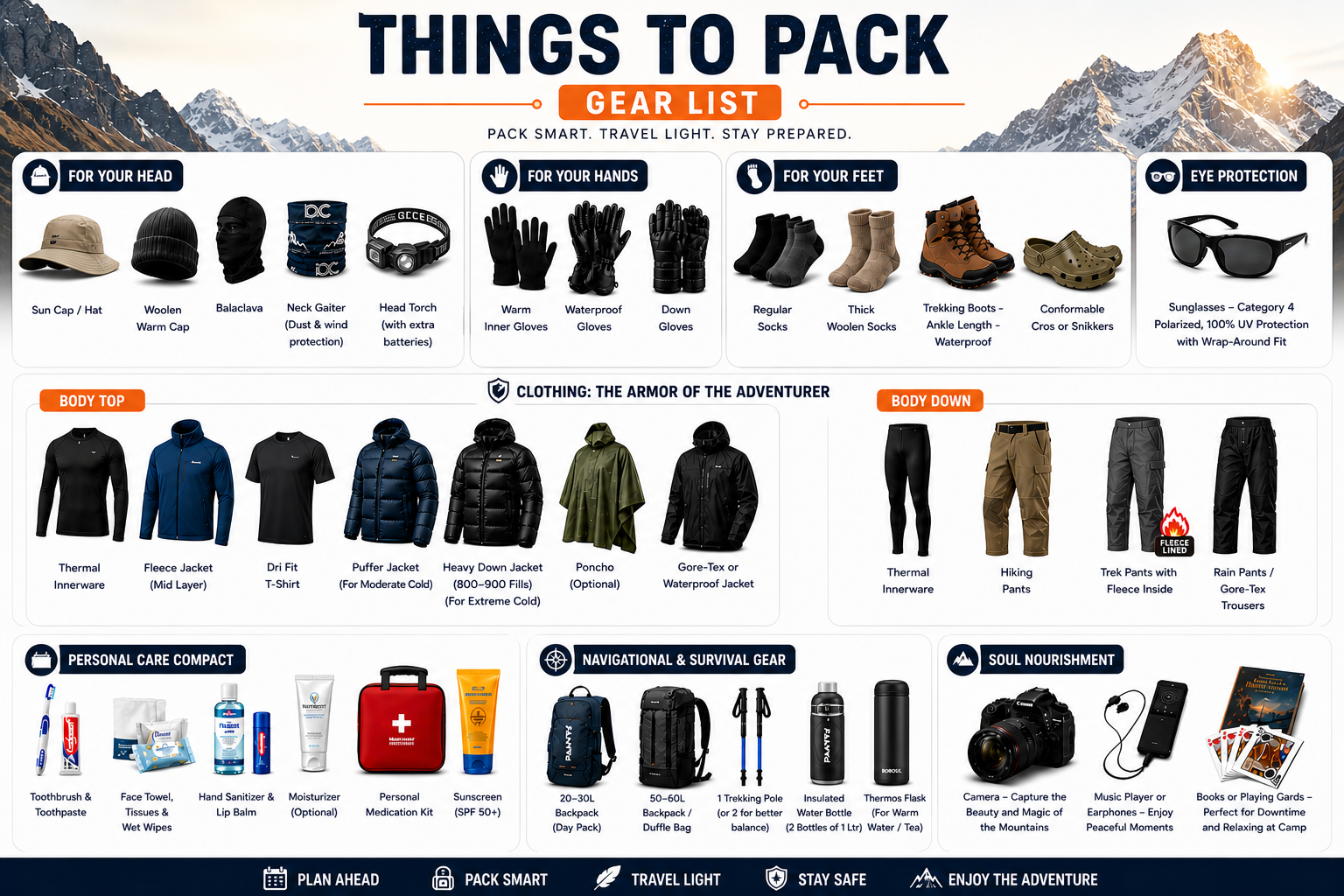
Carry appropriate clothing and equipment for cold, windy and potentially wet conditions.
Use well-broken-in trekking boots with good grip.
Carry thermal layers, a warm insulating jacket and waterproof outerwear.
Pack warm gloves, a woollen cap, sunglasses and sun protection.
Carry a comfortable backpack with a rain cover.
Check the equipment list provided by Boots & Crampons before departure.
Hydration & Nutrition
Maintain a balanced diet during your training and stay well hydrated. During the trek, eat regular meals and carry personal snacks for additional energy. Carry reusable water bottles and a suitable water purification method, and follow the trek team’s guidance on safe drinking water.
Medical & Travel Preparation
Consult a medical professional if you have pre-existing health concerns or are unsure whether you are fit for a high-altitude trek. Arrange suitable trekking insurance that covers high-altitude trekking and emergency evacuation, including helicopter evacuation where available. Carry your personal medication and ensure you understand your insurance coverage.
Final Preparation
Review the itinerary, altitude profile and expected walking hours.
Confirm the packing list and equipment provided by Boots & Crampons.
Test your trekking boots, backpack and waterproof clothing before departure.
Carry essential identification documents and personal medication.
Get adequate rest before the trek begins.
Attend the pre-trek briefing and follow all instructions from the trek leader.

For rental bookings and additional equipment support, visit our contracted business partner — Summit Yak Official Website
The Bali Pass Trek is a difficult high-altitude trek. It involves long walking days, steep ascents and descents, and a challenging crossing at 4,950 m. Previous high-altitude trekking experience and good physical fitness are strongly recommended.
The highest point is Bali Pass at approximately 4,950 m above sea level.
The trek follows an 8-day itinerary, starting from Dehradun and ending with the return journey from Janki Chatti.
The total trekking distance is approximately 55–60 km. The exact distance may vary depending on the trail, campsite locations and route conditions.
The usual trekking seasons are May–June and September–October. Conditions vary from year to year, and the final decision to operate depends on weather, snow conditions and the assessment of the trek team.
Yes, previous high-altitude trekking experience is strongly recommended. Trekkers should be comfortable walking for several hours daily, managing steep ascents and descents, and trekking on consecutive days.
Start preparing 6–8 weeks before departure. Focus on cardiovascular exercise, uphill walking, stair climbing, leg-strengthening exercises and longer walks with a light backpack.
Yes. The trek reaches approximately 4,950 m, where altitude sickness can be a serious concern. Maintain a steady pace, follow the acclimatisation plan and report symptoms such as headaches, nausea, dizziness or unusual fatigue to your trek leader immediately.
Accommodation generally includes a guesthouse in Sankri and camping at designated locations along the route. Facilities at remote campsites are basic.
Meals during the trekking programme are included as specified in the package. Please check the inclusions for details of meals provided before and after the trek.
You should carry suitable trekking boots, warm layers, waterproof clothing, gloves, a headlamp, sunglasses, sunscreen, a reusable water bottle and personal medication. Refer to the packing list for the complete list of recommended equipment.
Yes, you can enquire about available equipment through Summit Yak, the rental gear initiative associated with Boots & Crampons. Confirm availability, sizes, rental rates and collection arrangements in advance.
Trekking insurance is strongly recommended. Ensure your policy covers high-altitude trekking and emergency evacuation, including helicopter evacuation where available. Check the policy conditions carefully before departure.
The trek leader and operations team will assess the weather, snow conditions and route safety. The itinerary may be adjusted, delayed or cancelled if conditions are unsafe. Safety takes priority over reaching the pass.
The trek is not recommended for beginners without prior trekking experience. Its altitude, long walking days and demanding pass crossing require good fitness, preparation and familiarity with mountain terrain.
Review the itinerary, difficulty level, inclusions and exclusions before booking. Ensure that you are physically prepared, have suitable equipment and understand the demands of the pass crossing. Contact the Boots & Crampons team to confirm departure dates, pricing, equipment arrangements and other logistical details.
Yes, participants should attend the pre-trek briefing arranged by Boots & Crampons. The team will share relevant instructions regarding the itinerary, equipment, logistics and safety before departure.
The Bali Pass Trek offers a rewarding Himalayan adventure that combines natural beauty with a significant physical challenge. Proper fitness, preparation, and readiness for high-altitude trekking make the experience enjoyable and safe.
Boots & Crampons staff of highly trained professional guides is here to make your journey as safe and secure as possible. All of our trekking guides are medically certified and have abundant experience using their training in mountainous environments.
Our safety standards are based on the experiences of our founder, managing risk in some of the world’s most hostile environments.
While we advise our trekkers to carry light, our guides are always prepared with:
Be it queries about the trek, customization or anything else, our team is eager to assist you.
Need your questions answered right away?
Get in touch with us at
Discover similar treks from Boots & Crampons that quench your thirst for adventure.

Discover similar treks from Boots & Crampons that quench your thirst for adventure.