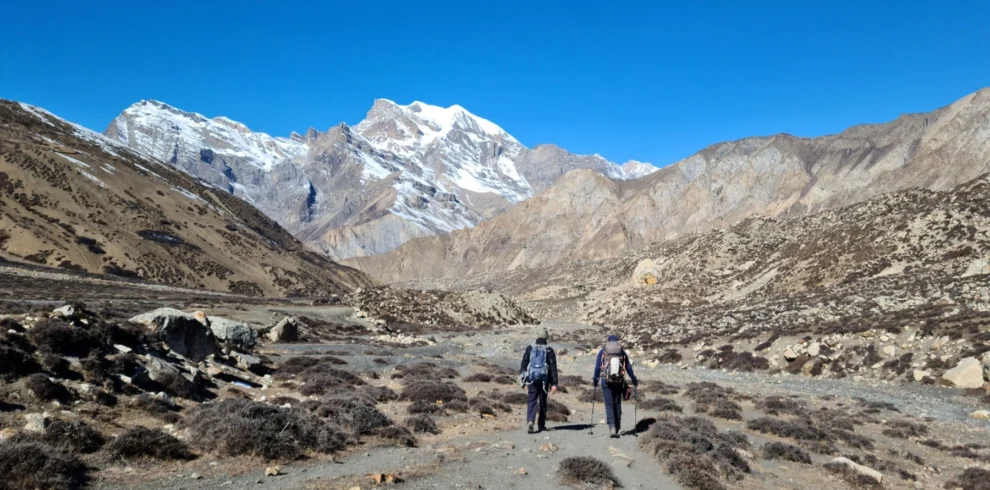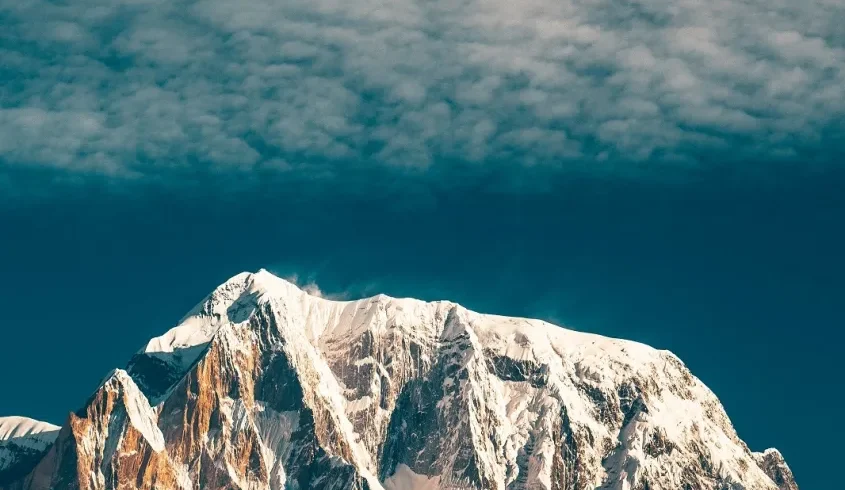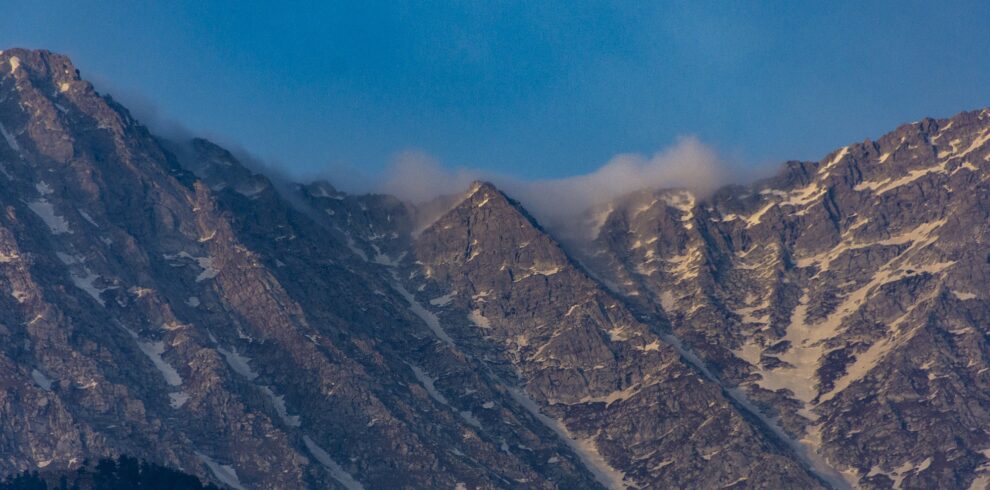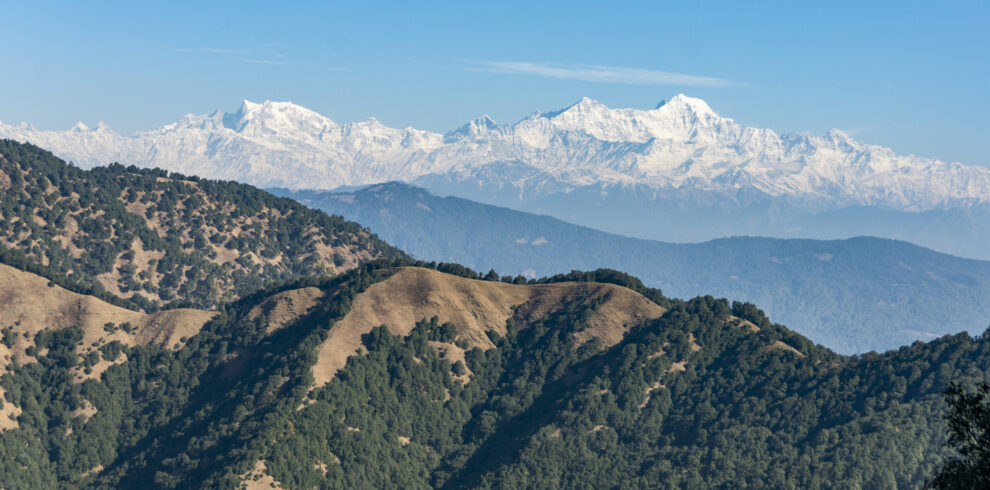
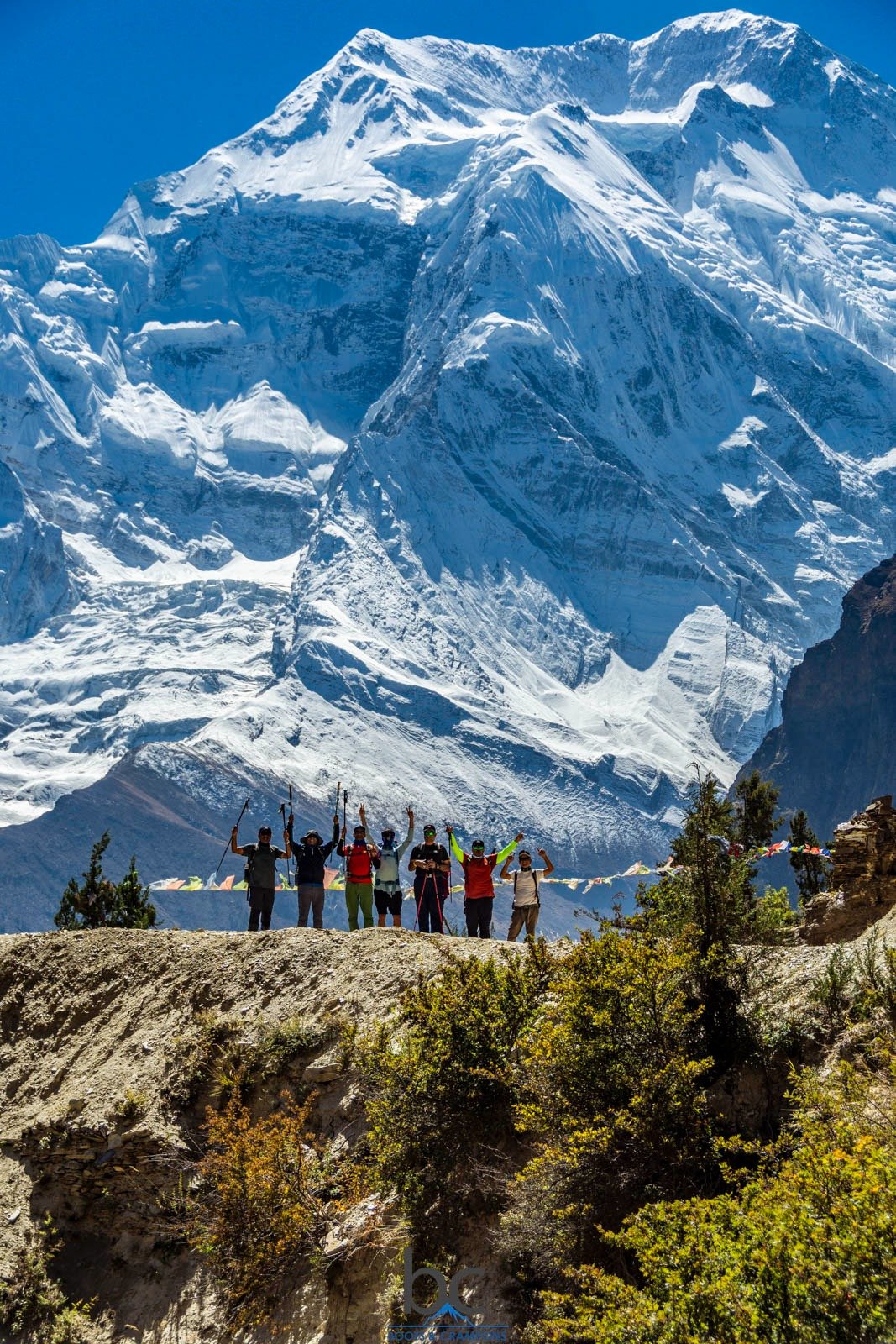
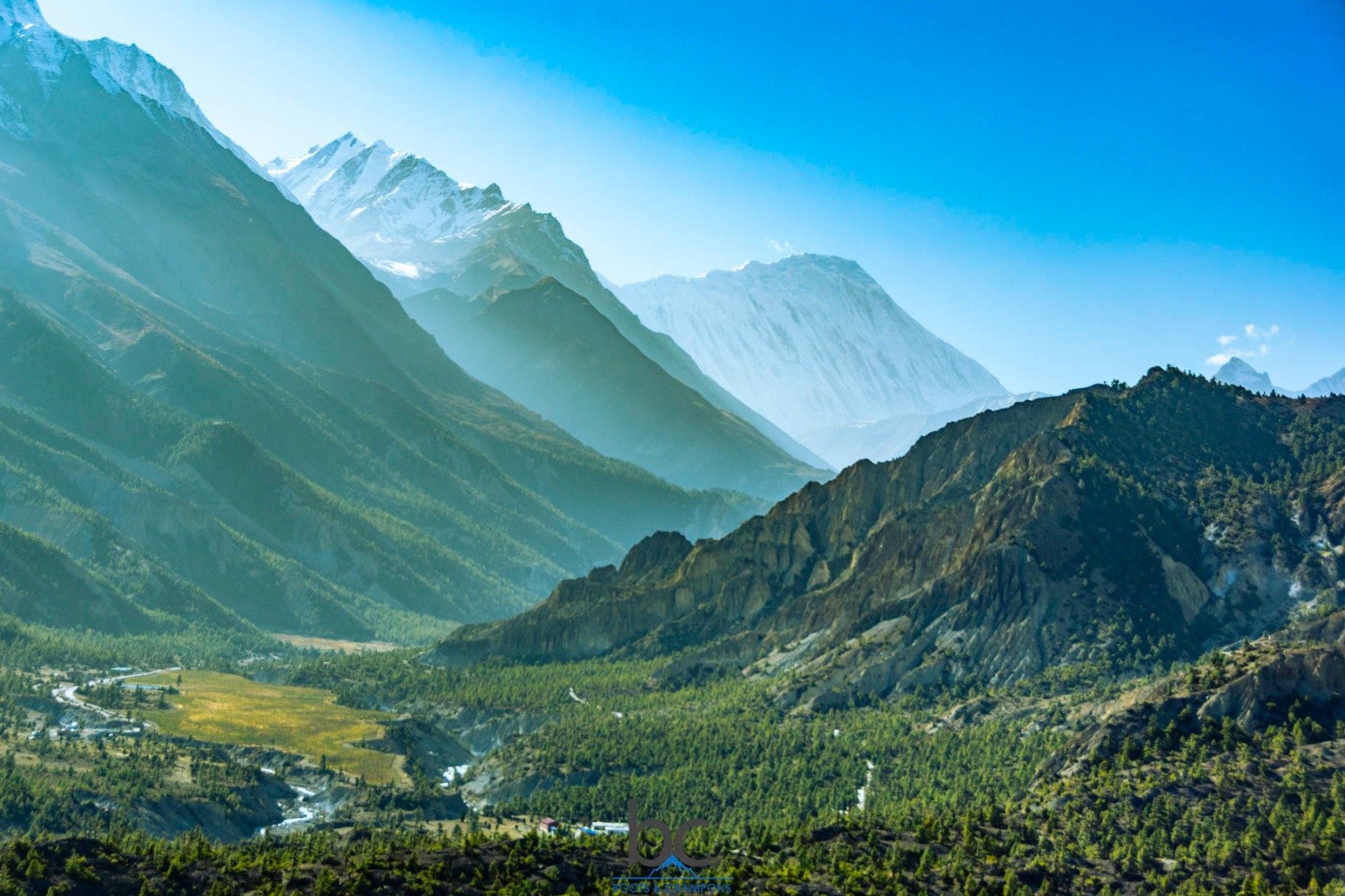
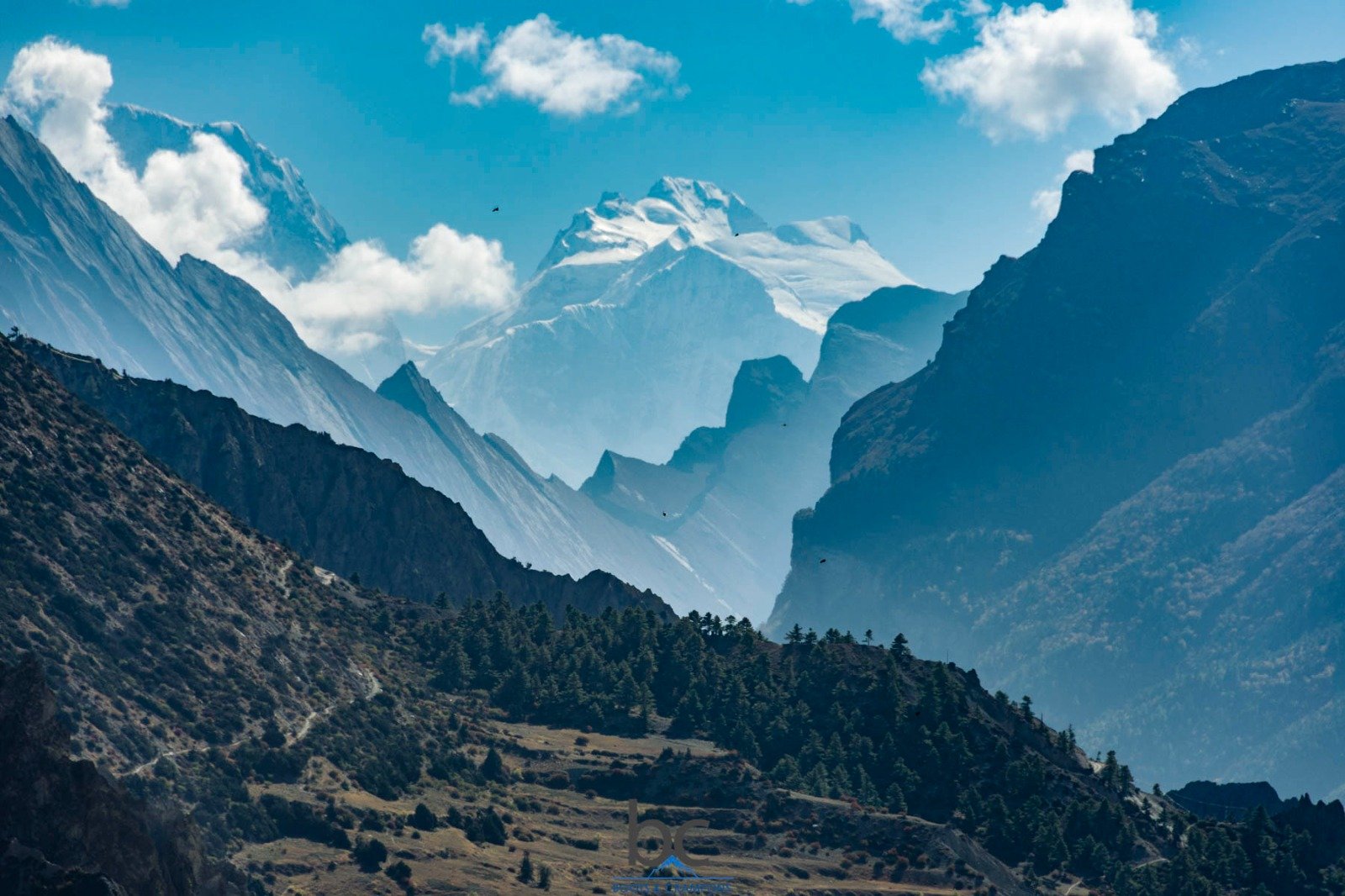
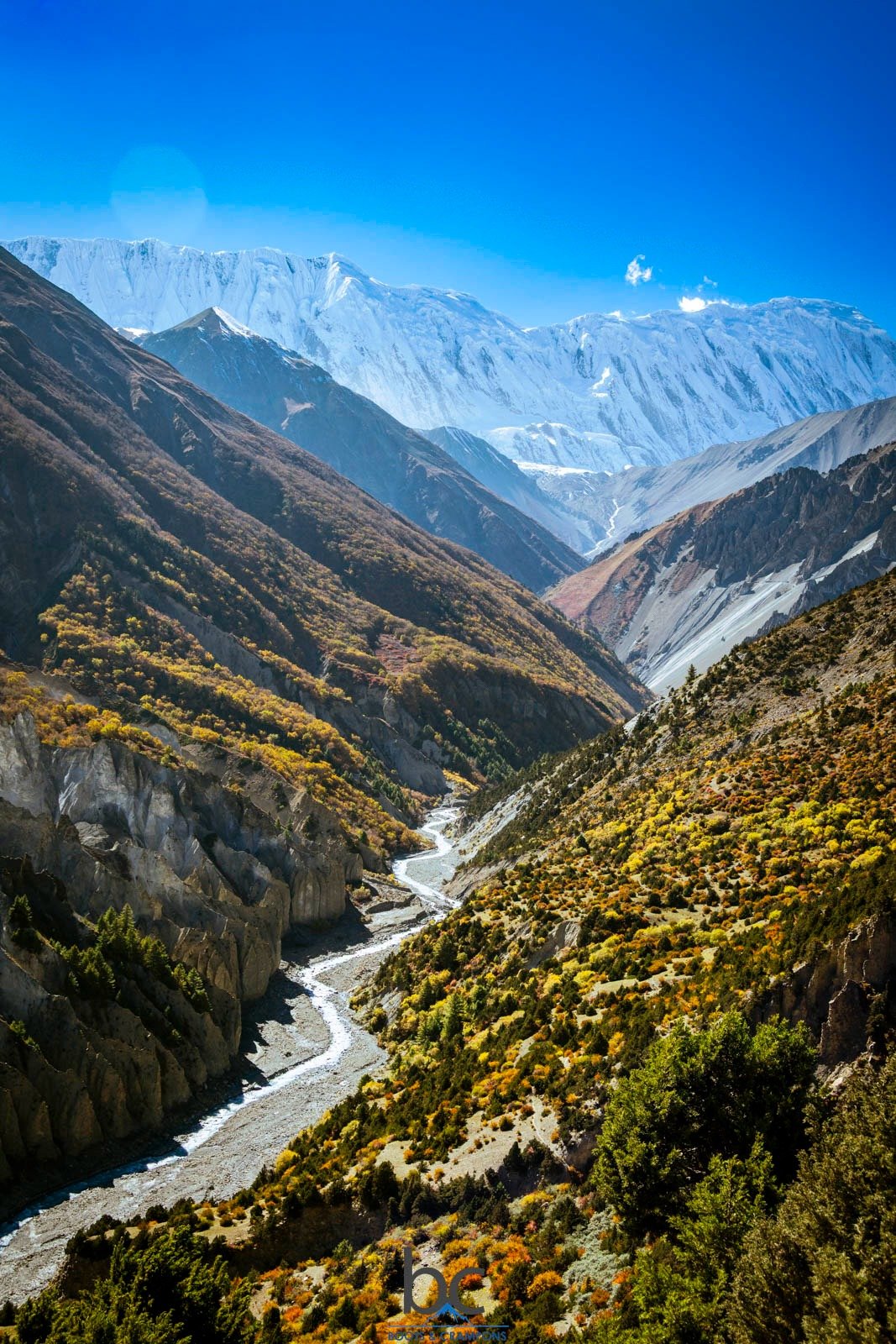
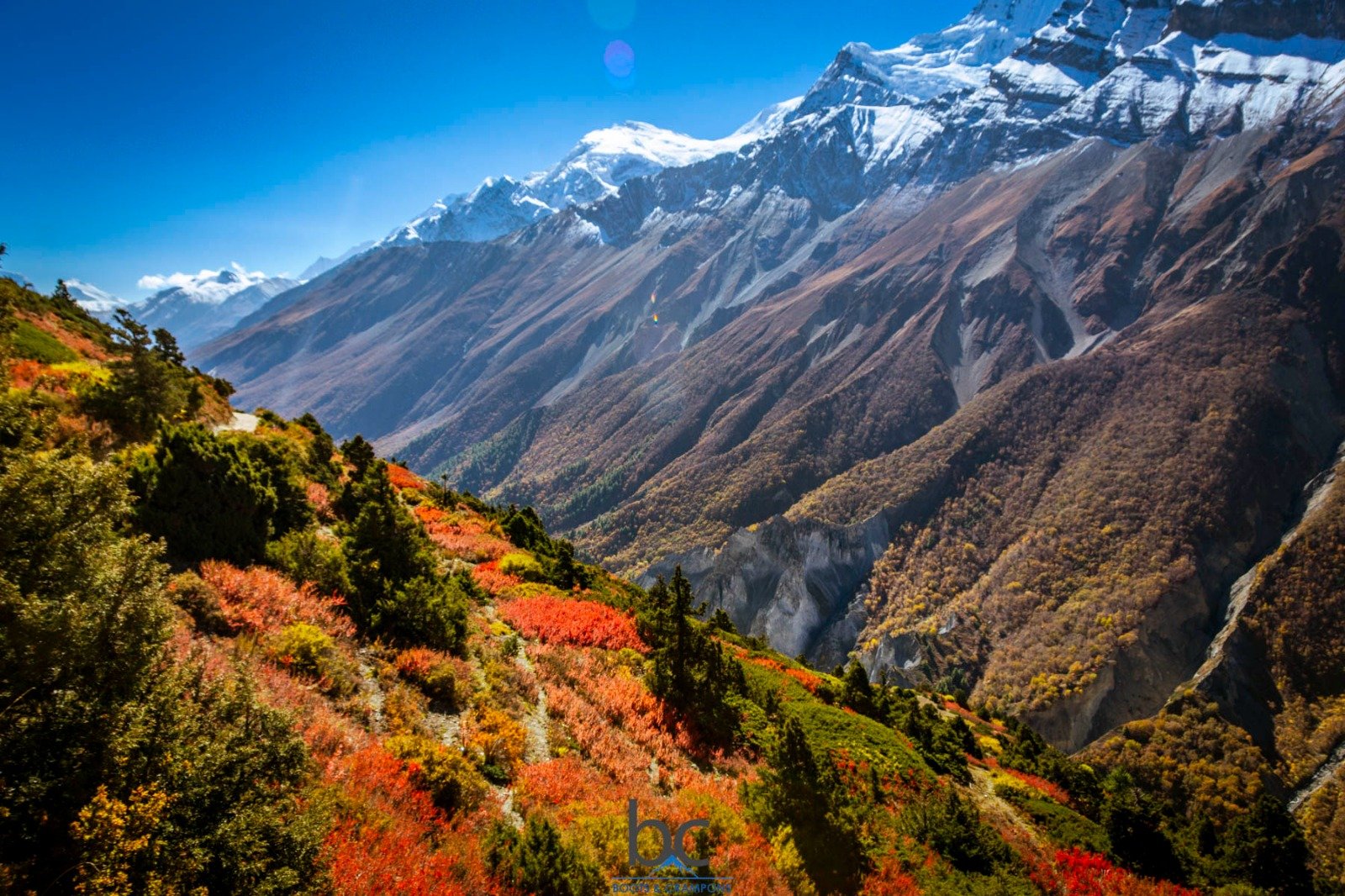
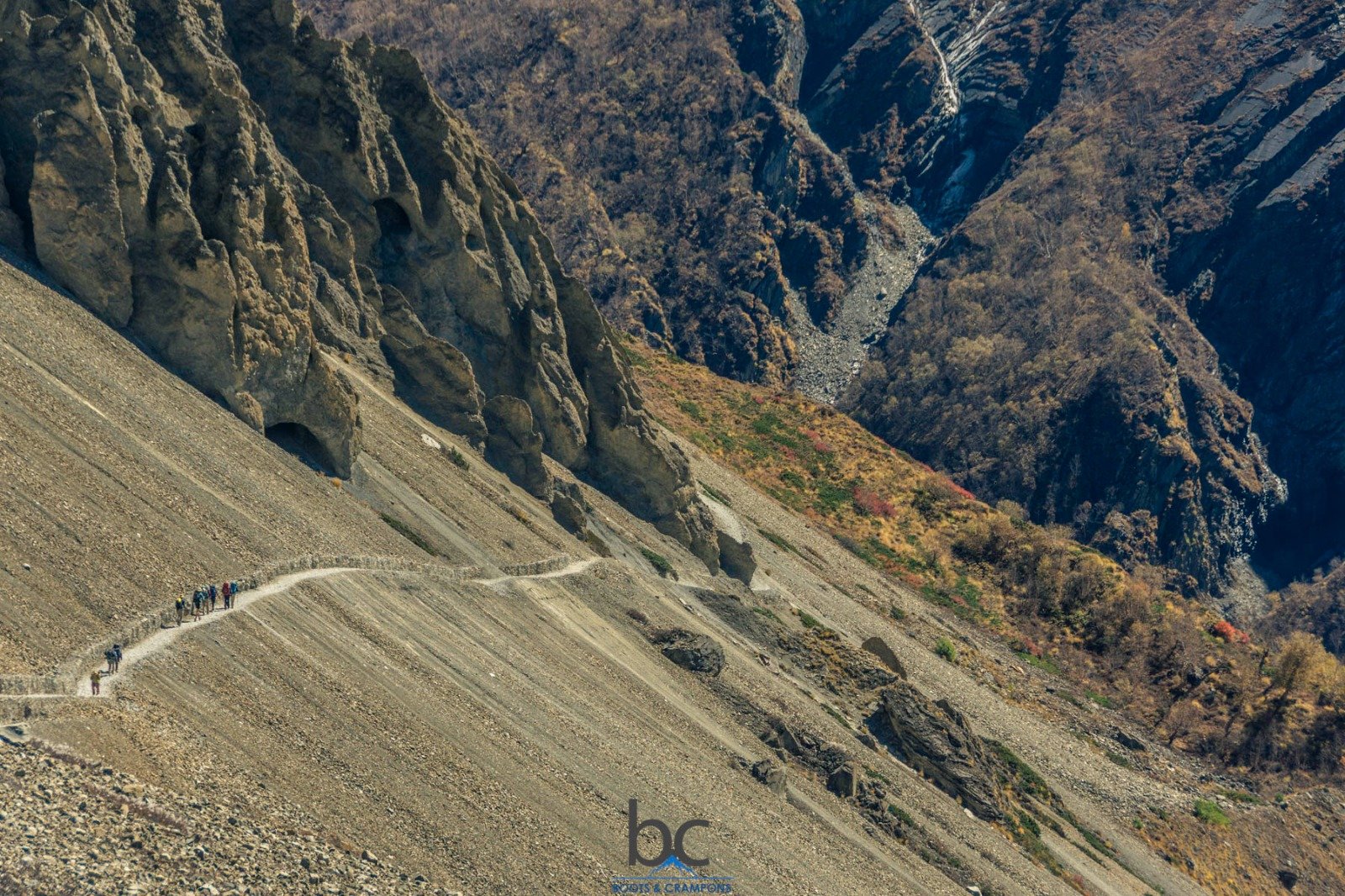
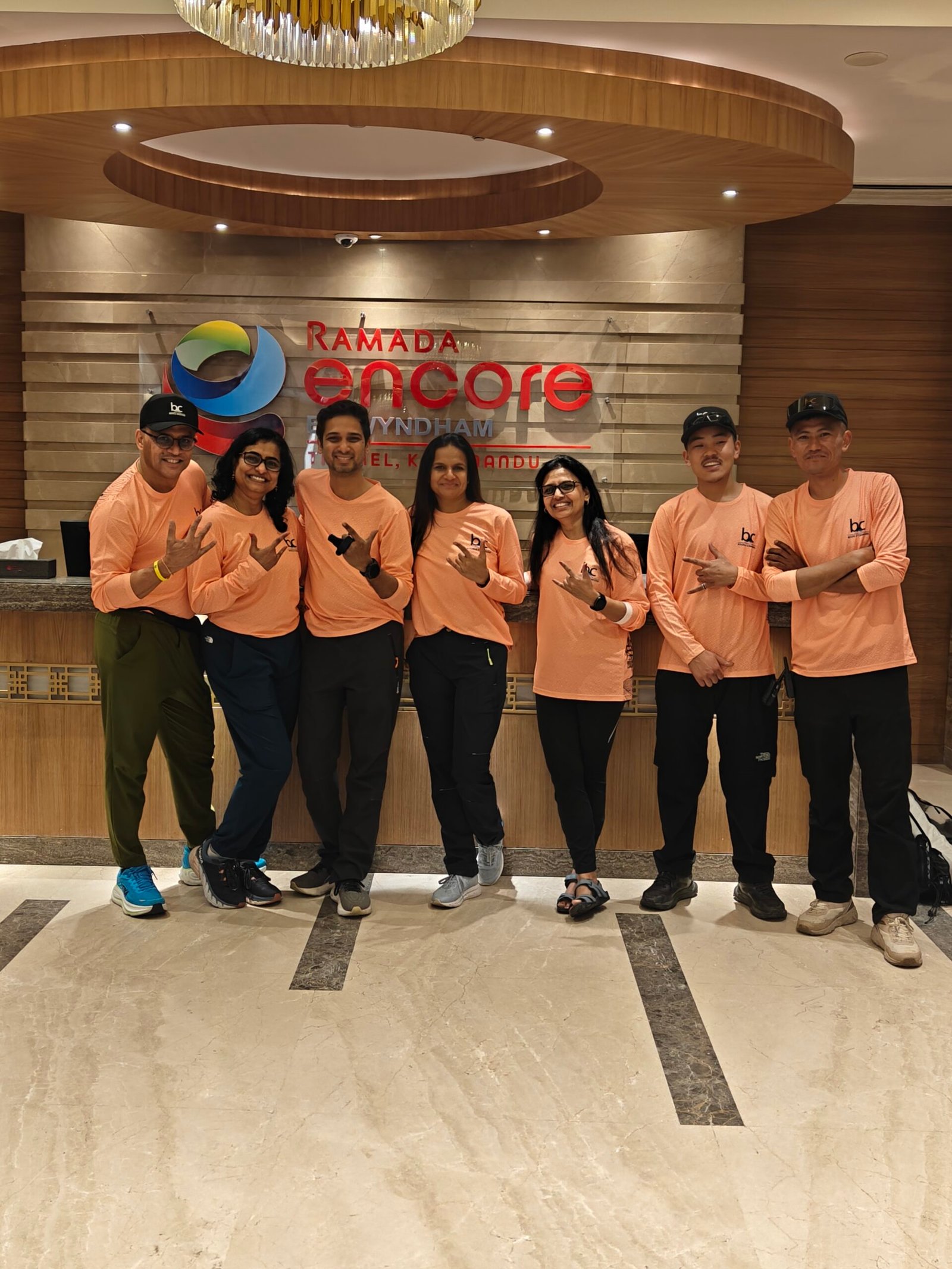
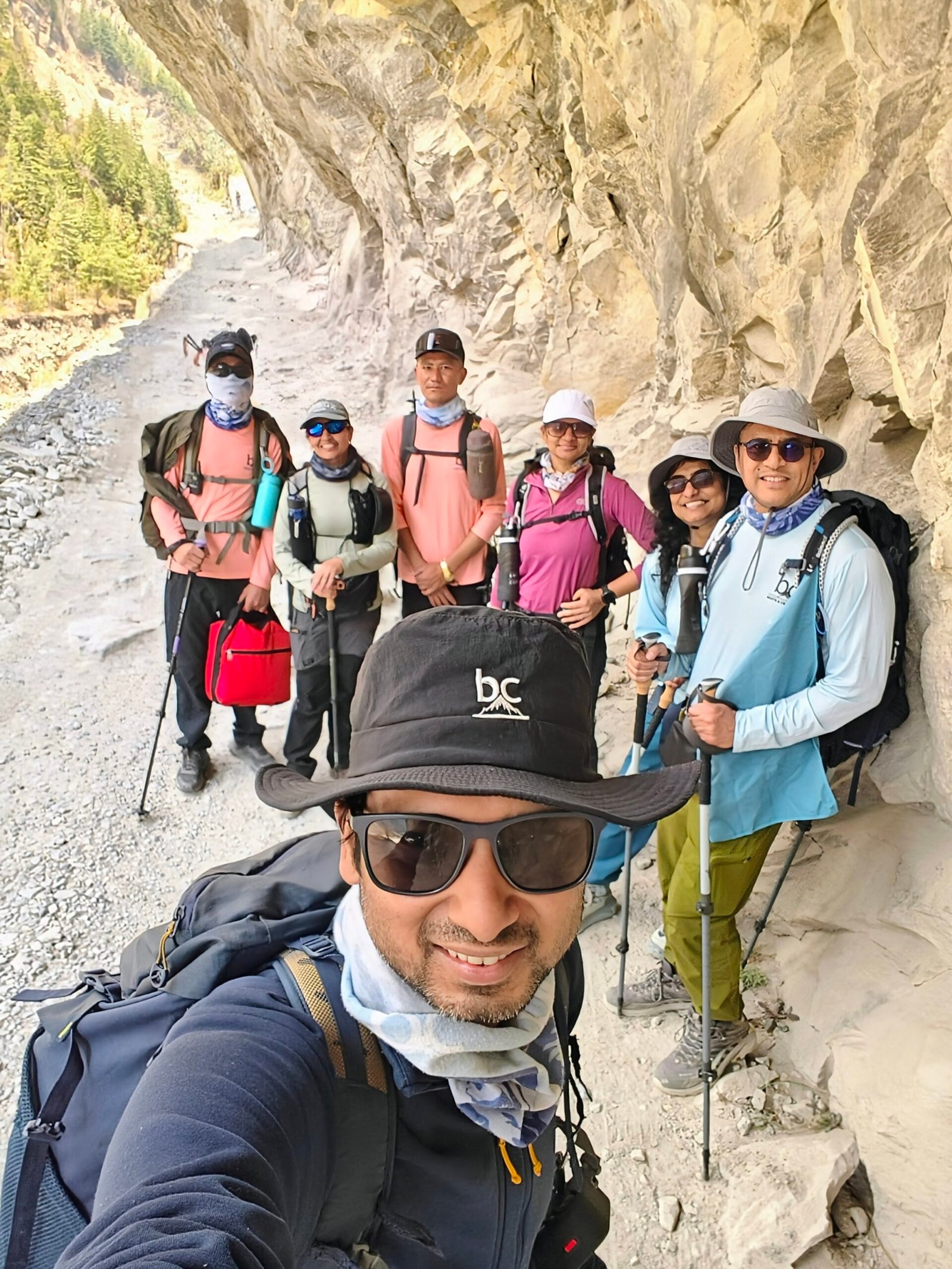
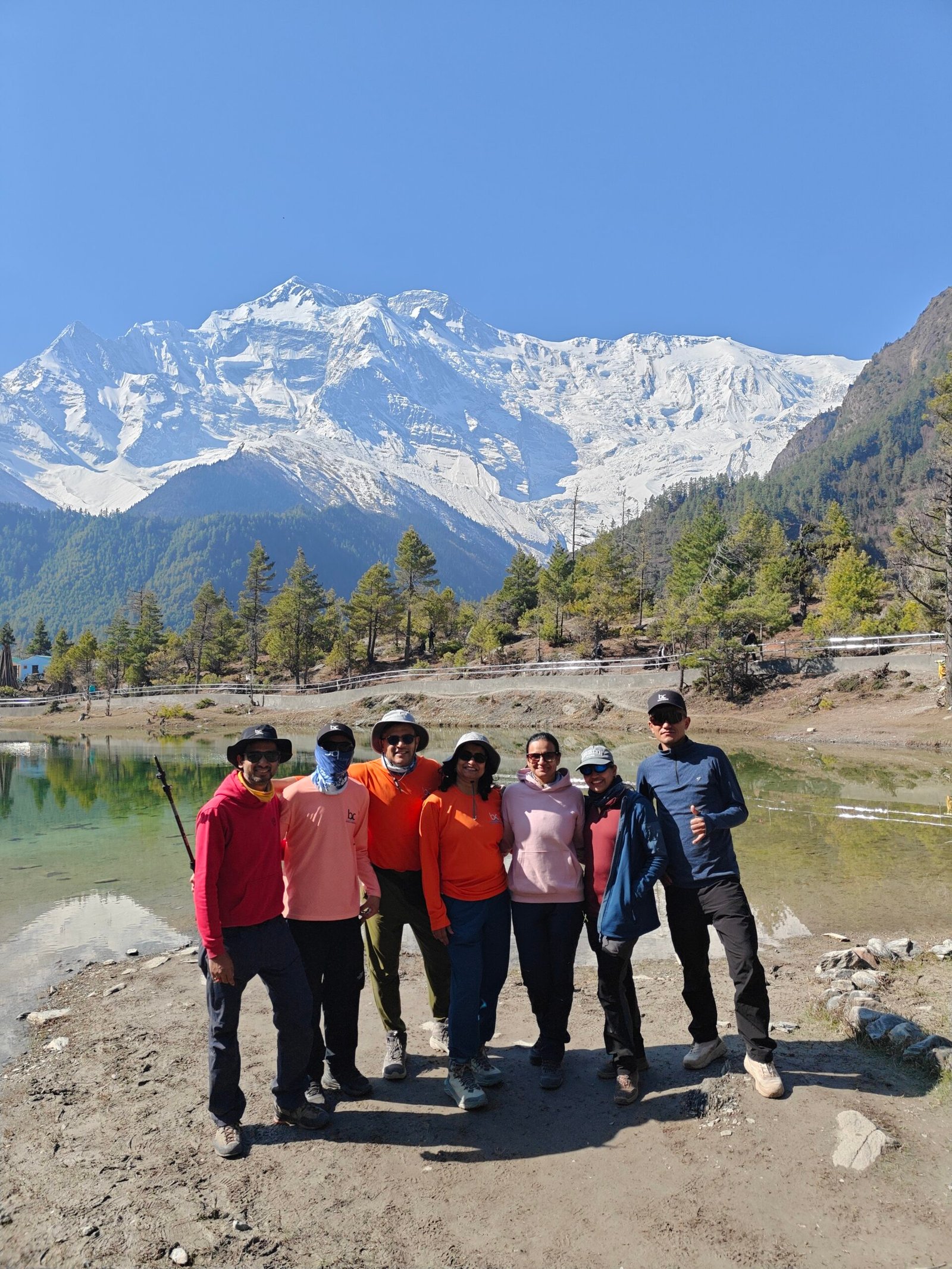
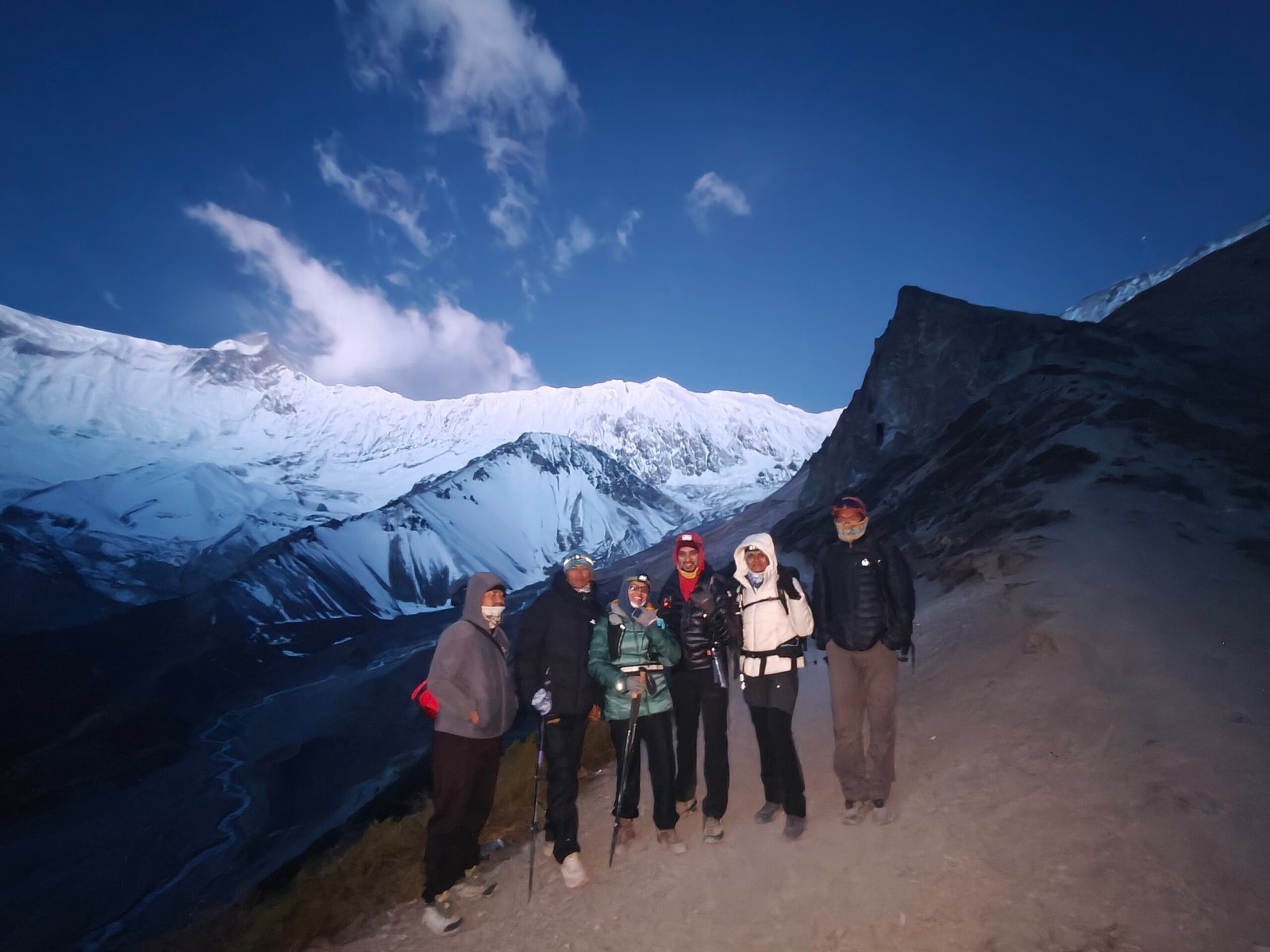
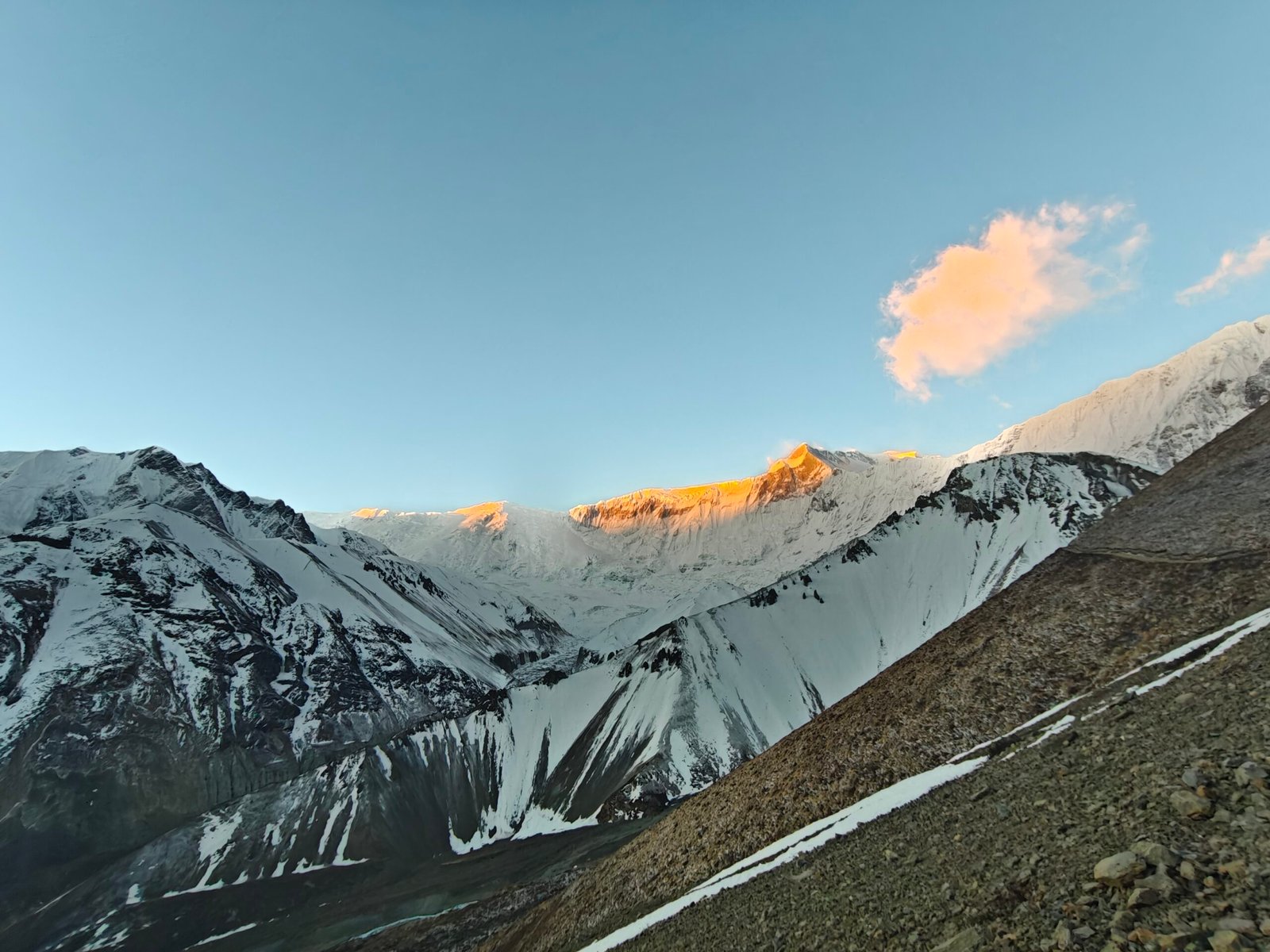
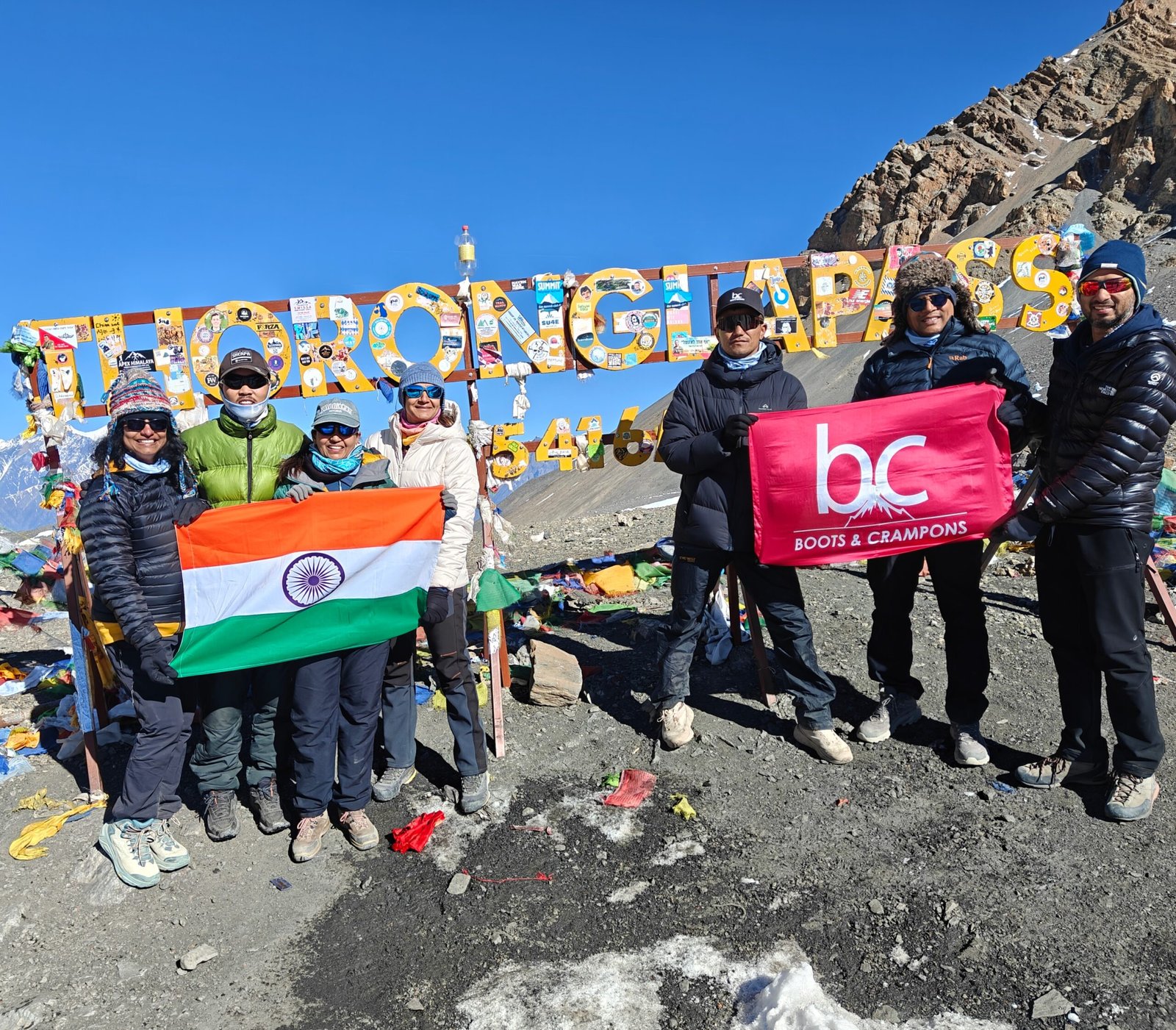


The Annapurna Circuit is one of Nepal’s classic long-distance treks, taking you through diverse landscapes ranging from green river valleys and pine forests to traditional mountain villages and the high-altitude terrain of the Annapurna region.
The route passes through Chame, Pisang and Manang before taking a detour towards Tilicho Lake, one of the world’s highest lakes. After returning to the main circuit, the trek continues through Yak Kharka and Thorong Phedi before crossing Thorong La Pass at 5,416 m and descending to Muktinath.
The journey combines Himalayan scenery, local culture and a demanding high-altitude crossing. The Tilicho Lake detour and Thorong La Pass make this itinerary physically challenging, requiring good fitness, careful acclimatisation and preparation for changing mountain weather.
Important: The itinerary involves high-altitude trekking, including a long day crossing Thorong La Pass. The route and schedule may change because of weather, trail conditions, road access or safety considerations.
Note: Prices mentioned are applicable for Indian passport holders. For foreign passport holders, the cost may vary. Please connect with the Boots & Crampons team for clarity.
Note: An indemnity document will be shared before the trek. Signing it is mandatory.
Arrive at Tribhuvan International Airport and transfer to your hotel. Meet the trekking team for a briefing, review the itinerary and check your equipment. The remainder of the day is free to rest or explore Kathmandu.
Walking: No trekking planned.
Overnight: Kathmandu hotel.
Depart early for the drive towards Chame, the administrative centre of Manang district and the gateway to the upper Annapurna region. The journey passes through river valleys, terraced hillsides and mountain settlements, with sections of winding and uneven road.
Driving distance: Approximately 230–270 km, depending on the route and road conditions.
Driving duration: Approximately 8–11 hours.
Overnight: Chame.
Begin trekking along the Marsyangdi River through pine forests and narrow valleys. Cross suspension bridges and pass traditional settlements as the landscape opens towards the dramatic rock faces and mountain views around Pisang.
Trekking distance: Approximately 13–15 km.
Walking duration: Approximately 6–8 hours.
Overnight: Teahouse in Pisang.
Continue towards Manang through the increasingly dry, high-altitude landscape. Depending on the chosen trail and conditions, the route may pass through Ghyaru and Ngawal for wider views of the Annapurna range, or follow the lower trail through the valley.
Trekking distance: Approximately 18–20 km, depending on the route.
Walking duration: Approximately 7–9 hours.
Overnight: Teahouse in Manang.
Spend the day acclimatising before continuing to higher elevations. Participants may take a short hike to a nearby viewpoint or, if fitness and conditions permit, undertake a longer hike towards Ice Lake at approximately 4,600 m. The longer option should only be attempted if recommended by the guide.
Return to Manang for rest, hydration and preparation for the next section.
Walking: Rest day with an optional acclimatisation hike.
Overnight: Teahouse in Manang.
Leave Manang and follow the trail towards Shree Kharka. The route passes through open alpine terrain and remote settlements, with sections that may be exposed or affected by landslides. Follow the guide’s instructions and take care on narrow sections of the trail.
Trekking distance: Approximately 8–9 km.
Walking duration: Approximately 5–7 hours.
Overnight: Teahouse in Shree Kharka.
Continue towards Tilicho Base Camp along a rugged mountain trail. The route includes narrow sections cut into steep slopes, requiring careful footing and attention to trail conditions.
Trekking distance: Approximately 7–8 km.
Walking duration: Approximately 5–6 hours.
Overnight: Basic lodge accommodation at Tilicho Base Camp.
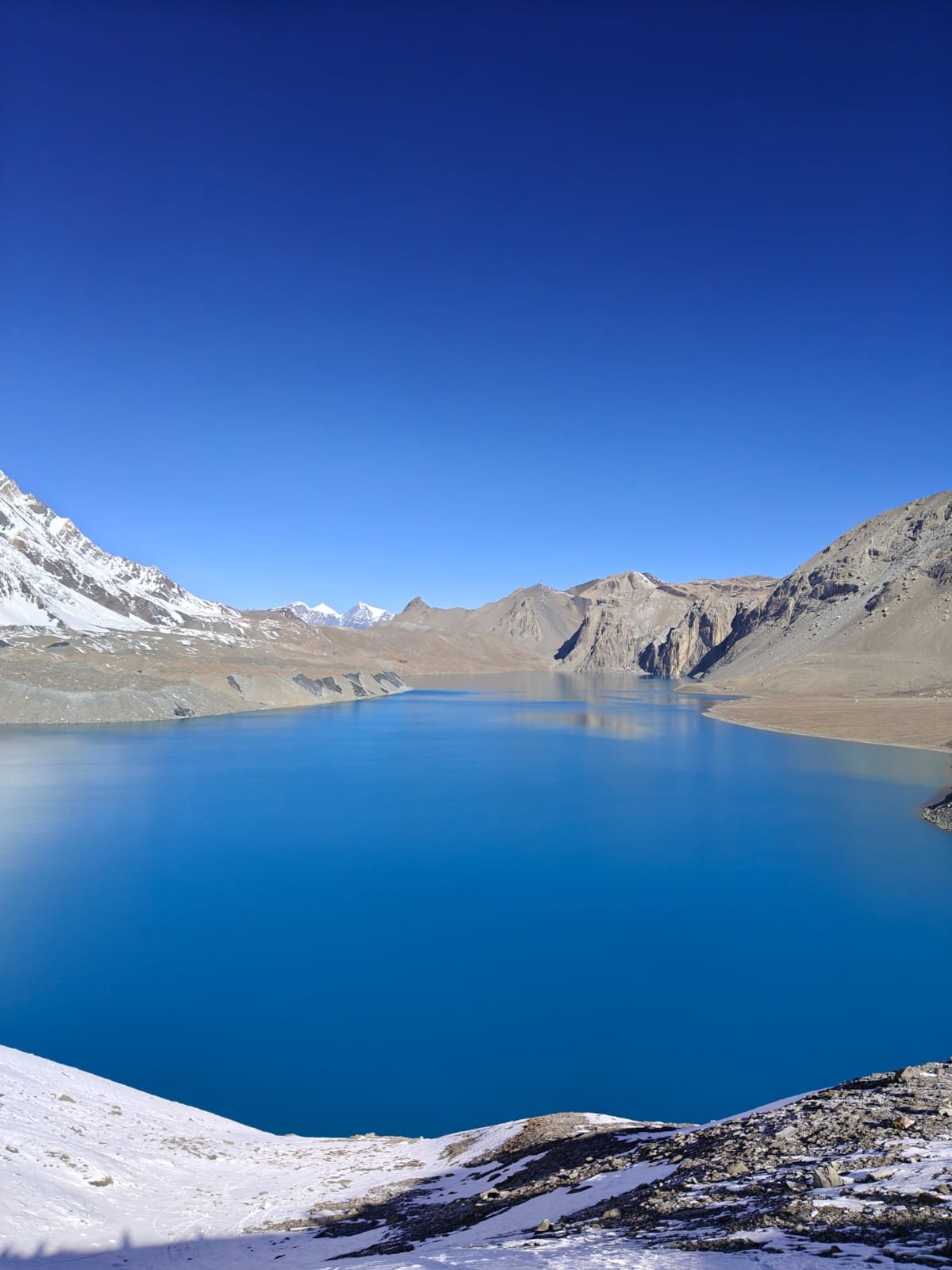
Start early for the ascent towards Tilicho Lake. The trail climbs over rocky and high-altitude terrain, and snow or ice may affect conditions depending on the season. Spend time at the lake if conditions permit, then retrace the route towards Shree Kharka.
Trekking distance: Approximately 14–16 km round trip, depending on the overnight location and trail conditions.
Walking duration: Approximately 8–10 hours.
Overnight: Teahouse in Shree Kharka.
Descend gradually from the Tilicho side trail and rejoin the main Annapurna Circuit route. Continue through alpine meadows and yak-grazing pastures towards Yak Kharka.
Trekking distance: Approximately 10–11 km.
Walking duration: Approximately 5–7 hours.
Overnight: Teahouse in Yak Kharka.
Continue ascending towards Thorong Phedi, the staging point for crossing Thorong La Pass. The route follows rugged mountain trails, with gradual elevation gain and some steeper sections.
Arrive with sufficient time to rest, hydrate and prepare for the early start the following morning.
Trekking distance: Approximately 6–8 km.
Walking duration: Approximately 4–5 hours.
Overnight: Lodge in Thorong Phedi.
Start before dawn for the demanding ascent to Thorong La Pass, the highest point of the trek. The climb is steep in places and becomes more strenuous at altitude. After reaching the pass, take time for photographs and views when conditions allow, then begin the long descent towards Muktinath.
This is the most demanding day of the itinerary. The guide will set the pace and may modify or cancel the crossing if weather, snow conditions or the group’s health make it unsafe.
Trekking distance: Approximately 15–17 km.
Walking duration: Approximately 10–11 hours, potentially longer in difficult conditions.
Overnight: Lodge in Muktinath.
Travel by jeep through the Kali Gandaki Valley towards Tatopani, descending into warmer and greener surroundings. Depending on arrival time and local conditions, you may have an opportunity to visit the natural hot springs.
Continue by road towards Pokhara, passing through river valleys, villages and changing landscapes. On arrival, check in to your hotel and enjoy the remainder of the day at leisure around the lakeside area.
Driving distance: Approximately 180–220 km.
Driving duration: Approximately 7–9 hours, depending on road conditions.
Overnight: Hotel in Pokhara.
An extra day in Pokhara to roam around in the town or near Phew Lake. Rest and Leisure day.
Overnight: Hotel in Pokhara.
Transfer to the airport for the scheduled flight to Kathmandu. On arrival, transfer to your hotel. If a flight is unavailable or the itinerary specifies road transport, the team will arrange the confirmed alternative.
Flight duration: Approximately 25–30 minutes, excluding airport procedures and transfers.
Overnight: Kathmandu hotel.
After breakfast, transfer to Tribhuvan International Airport for your onward journey. This marks the conclusion of the Annapurna Circuit trek.
Walking: No trekking planned.
2 nights’ accommodation in Kathmandu at a 4-star category hotel on a twin-sharing basis, including breakfast.
2 night’s accommodation in Pokhara at a 3-star category hotel on a twin-sharing basis, including breakfast.
Best available teahouse accommodation during the trek on a twin-sharing basis wherever possible.
Breakfast, lunch and dinner during the trekking period.
Standard menu meals are included. Additional food orders beyond the standard menu will be charged separately.
Airport pick-up and drop-off in Kathmandu.
Ground transportation as per the confirmed itinerary, including transfers between Kathmandu, Chame, Muktinath, Tatopani and Pokhara.
Transportation between Pokhara and Kathmandu as specified in the final itinerary.
Annapurna Conservation Area Permit (ACAP).
Applicable trekking permits and local entry fees.
Government taxes and administrative charges associated with the included services.
Experienced English-speaking trekking guide, including salary, meals and accommodation.
Porter support for carrying personal luggage, with an allowance of up to 10 kg per participant.
Insurance coverage for the included Nepali trekking staff.
Trek coordination, logistics management and operational support from the Boots & Crampons team.
Access to water at teahouses and designated stops along the trekking route.
Participants are advised to carry a personal water-purification system, such as a filter bottle or purification tablets.
Pre-trek briefing and coordination.
Exclusive participant discount on Fast&Up nutrition products, subject to applicable offer terms.
International airfare to and from Nepal.
Nepal entry visa fees.
Excess baggage charges and airline fees not included in the package.
Lunch and dinner in Kathmandu and Pokhara.
Additional meals resulting from travel delays, itinerary changes or an extended stay, unless expressly included.
Personal travel insurance covering high-altitude trekking, emergency evacuation and medical treatment.
Emergency rescue and evacuation costs, including helicopter rescue if required.
Medical treatment, hospitalisation and personal medication expenses.
Any emergency service or insurance benefit not expressly included in the package.
Bottled water, beverages and alcoholic drinks.
Tea, coffee, soft drinks and speciality drinks beyond the included standard meals.
Snacks, desserts and personal food purchases.
Phone calls, internet, Wi-Fi, battery charging, laundry and hot showers where charged separately.
Personal purchases and other incidental expenses.
Personal trekking equipment, clothing and footwear.
Sleeping bag and down jacket.
Other personal trekking essentials not expressly listed under Inclusions.
Sleeping bags and down jackets may be available for hire, subject to availability and additional charges.
Tips and gratuities for trekking guides, porters, drivers and other support staff. Tips are Mandatory.
Additional costs arising from weather delays, flight cancellations, transport delays or road closures.
Expenses resulting from natural disasters, political disturbances or other unforeseen events.
Additional accommodation, meals or transportation caused by itinerary changes or delays.
Costs associated with an early descent or route change due to health or safety concerns.
Additional expenses resulting from a participant’s voluntary itinerary changes or early departure.
Any service, activity or expense not explicitly mentioned under Inclusions.
Refunds for unused services are subject to the company’s applicable booking and cancellation terms.
Begin a structured fitness routine at least 2–3 months before the trek. The Annapurna Circuit involves consecutive walking days, steep ascents and descents, and extended periods at high altitude.
Build cardiovascular endurance through activities such as brisk walking, jogging, cycling or swimming. Gradually increase the duration of your workouts.
Focus on strengthening your legs, core and back. Exercises such as squats, lunges, step-ups and controlled stair climbing can help prepare you for uneven trails and long descents.
Include regular uphill walks and practise carrying a light backpack. Increase the distance and load gradually as your fitness improves.
Previous trekking experience is strongly recommended, particularly experience with multi-day hikes and changing terrain. You should be comfortable walking for approximately 5–8 hours on trekking days and managing consecutive days of physical activity.
The itinerary includes an acclimatisation day in Manang before proceeding towards Tilicho Lake and Thorong La Pass. Follow the planned schedule, maintain a steady pace and stay hydrated.
Learn to recognise symptoms of altitude illness, including headache, nausea, dizziness and unusual fatigue. Report symptoms to your guide promptly. Do not continue ascending if you feel unwell or your guide advises against it.
The trek involves basic mountain accommodation, variable weather, long walking days and changing trail conditions. Patience, flexibility and a positive attitude will help you manage the challenges.
The guide’s safety decisions must be respected, especially during the Tilicho Lake detour and Thorong La Pass crossing.
Carry comfortable, broken-in trekking boots with ankle support, moisture-wicking layers, warm clothing and waterproof outerwear. Temperatures can drop significantly at higher elevations, particularly around Tilicho Lake and Thorong La Pass.
Use trekking poles if helpful for balance and to reduce strain on your knees during descents. Confirm the recommended sleeping bag and down jacket specifications with Boots & Crampons before departure.
Drink water regularly throughout the day and carry enough water for each walking section. Treat or filter water before drinking unless its safety is confirmed.
Eat regular meals and carry convenient snacks for longer walking days. Maintain adequate hydration and nutrition, particularly at higher elevations.
Consult a qualified medical professional before undertaking a high-altitude trek, particularly if you have existing medical concerns.
Arrange travel insurance that explicitly covers high-altitude trekking, emergency rescue and medical treatment. Check the policy wording carefully, as standard travel policies may have altitude restrictions.
Keep copies of your passport, insurance details and emergency contacts.
Attend the pre-trek briefing, check your equipment and confirm your travel arrangements. Break in your trekking boots before departure and avoid carrying unnecessary weight.
Follow your guide’s instructions throughout the trek, especially during the Tilicho Lake excursion and the crossing of Thorong La Pass at 5,416 m.
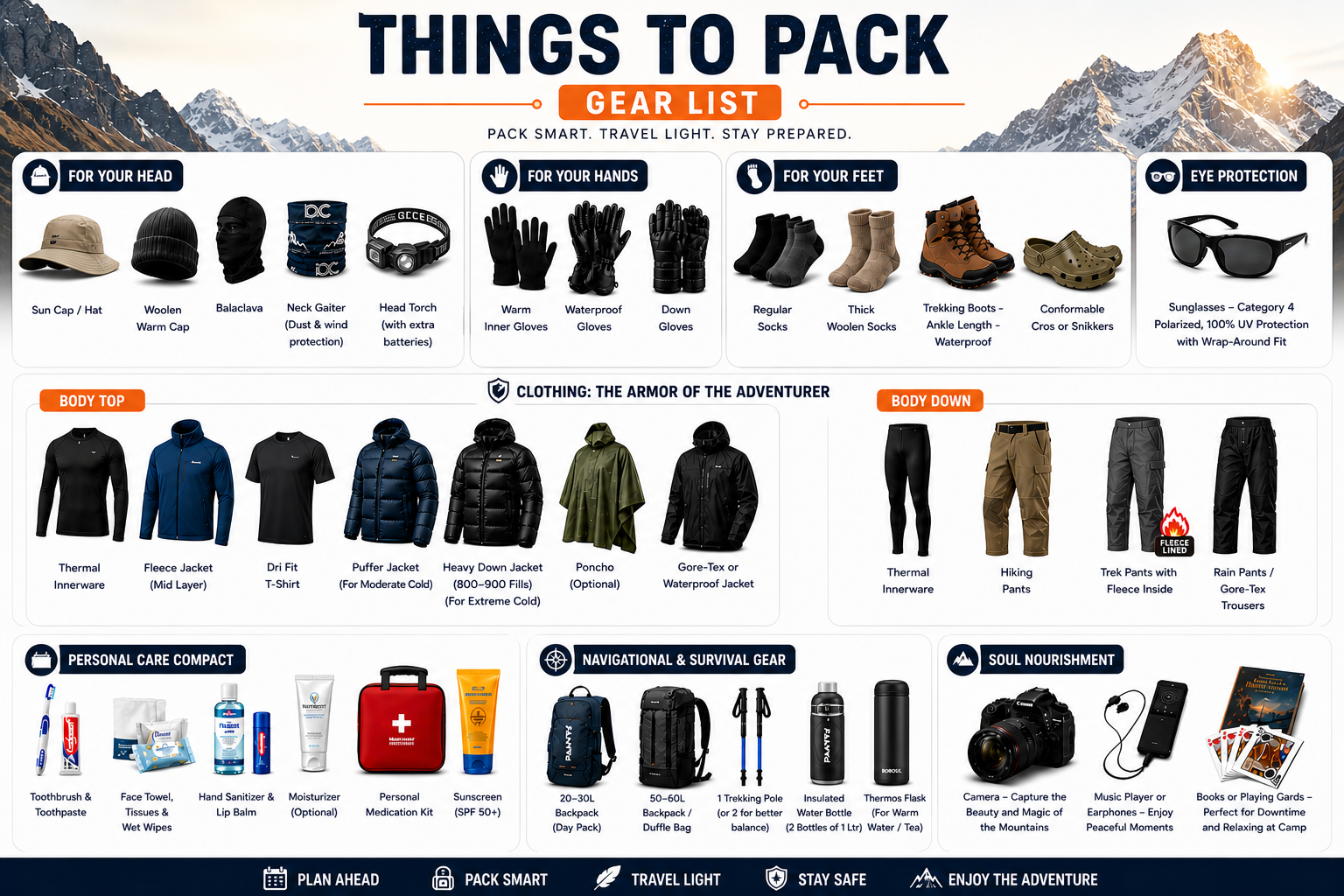

For rental bookings and additional equipment support, visit our contracted business partner — Summit Yak Official Website
The highest point is Thorong La Pass at approximately 5,416 metres (17,769 feet), making it one of the most challenging and memorable sections of the trek.
The trek is rated Moderate to Challenging. It involves several days of walking, steep ascents and descents, high-altitude conditions, and crossing Thorong La Pass. Good physical fitness and prior trekking experience are recommended.
The itinerary is planned for 15 days, including travel, acclimatisation, trekking, and the return journey. The exact duration may vary depending on road conditions, weather, and transport arrangements.
The best seasons are spring (March to May) and autumn (September to November). These periods generally offer favourable trekking conditions and good mountain views, although weather can change quickly at high altitudes.
Previous high-altitude trekking experience is strongly recommended, particularly because the route crosses Thorong La Pass above 5,400 metres. Trekkers should be comfortable with consecutive days of walking and be prepared for altitude-related challenges.
Walking time generally ranges from 4 to 7 hours on regular trekking days. The crossing of Thorong La Pass can take approximately 8 to 10 hours, depending on weather, trail conditions, and the group’s pace. These timings are estimates and may vary.
Yes. The itinerary includes an acclimatisation day in Manang to help the body adjust to the increasing altitude before continuing towards the higher sections of the trek. Proper pacing and awareness of altitude sickness symptoms remain essential.
Accommodation is planned in hotels in Kathmandu and Pokhara, with teahouse or lodge accommodation during the trek. Rooms on the trekking route are generally basic, and twin-sharing arrangements are subject to availability.
Breakfast, lunch, and dinner are included during the trekking portion of the itinerary. Meals in Kathmandu and Pokhara are excluded unless specifically mentioned in the final trip inclusions.
Yes. A suitable sleeping bag and warm down jacket are recommended for the cold conditions at higher altitudes. Personal trekking equipment can be brought from home or arranged for rental, subject to availability.
Drinking water is available at teahouses and designated stops along the route, usually at an additional cost. Carry a reusable bottle and use an appropriate water filter or purification method. Avoid drinking untreated water.
The trek generally requires an Annapurna Conservation Area Permit (ACAP) and any applicable local permits or entry fees. The trip team will coordinate the permits specified in the package inclusions.
Comprehensive travel insurance is strongly recommended. It should cover high-altitude trekking, emergency medical treatment, and helicopter evacuation at the altitudes and locations relevant to this trek. Confirm the policy coverage directly with your insurer.
Weather, trail conditions, and road disruptions can affect the itinerary. The team may need to adjust the schedule for safety or logistical reasons. Additional accommodation, meals, transport, or other expenses arising from unforeseen delays may be payable by participants, as outlined in the trip terms.
Yes. A pre-trek briefing will cover the itinerary, equipment, altitude awareness, safety guidelines, and other essential preparations. Participants should review the packing list and communicate any relevant concerns to the trip team before departure.
Boots & Crampons staff of highly trained professional guides is here to make your journey as safe and secure as possible. All of our trekking guides are medically certified and have abundant experience using their training in mountainous environments.
Our safety standards are based on the experiences of our founder, managing risk in some of the world’s most hostile environments.
While we advise our trekkers to carry light, our guides are always prepared with:
Be it queries about the trek, customization or anything else, our team is eager to assist you.
Need your questions answered right away?
Get in touch with us at
Discover similar treks from Boots & Crampons that quench your thirst for adventure.

Discover similar treks from Boots & Crampons that quench your thirst for adventure.