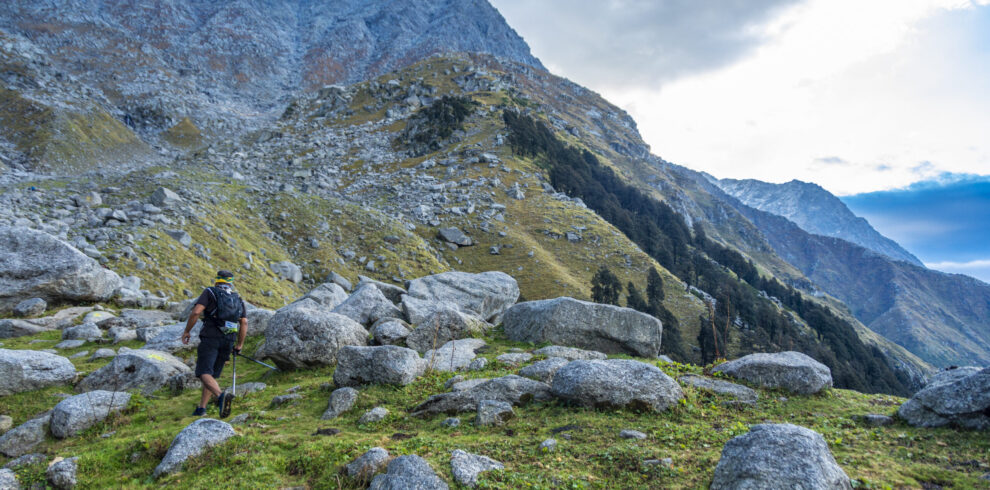
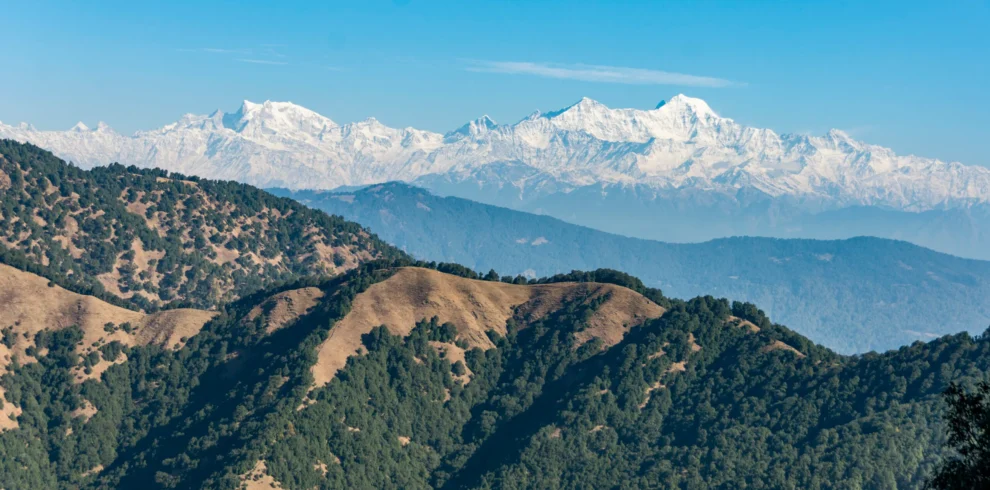
The Mighty 6K Duet: Kang Yatse I & II is a demanding double-summit expedition designed for climbers looking to challenge their endurance, acclimatisation, technical ability, and recovery at high altitude.
The expedition begins with Kang Yatse II (6,250 m), allowing climbers to acclimatise and gain experience before attempting the more technically demanding Kang Yatse I (approximately 6,400 m).
The journey combines the scenic Markha Valley trek with high-altitude camping, technical training, glacier and snow travel, and extended summit pushes. Successfully attempting both peaks requires strong physical conditioning, prior high-altitude mountaineering experience, and the ability to make sound decisions under fatigue.
The Mighty 6K Duet is designed for experienced mountaineers preparing for more demanding climbs, including future 7,000 m expeditions.
Note: Prices mentioned are applicable for Indian passport holders. For foreign passport holders, the cost may vary. Please connect with the Boots & Crampons team for clarity.
Note: An indemnity document will be shared before the expedition. Signing it is mandatory.
Arrive in Leh and transfer to the hotel. The day is reserved for rest and initial acclimatisation. The expedition team will conduct a gear check and help identify any missing equipment. If conditions permit, take a gentle evening walk around Leh Market.
Altitude: 3,500 m
Undertake a gentle acclimatisation hike towards Shanti Stupa and the surrounding area. Return to Leh for the expedition briefing, covering the route, safety protocols, equipment requirements, and summit expectations. The remainder of the day is reserved for rest and final preparations.
Altitude: 3,500 m
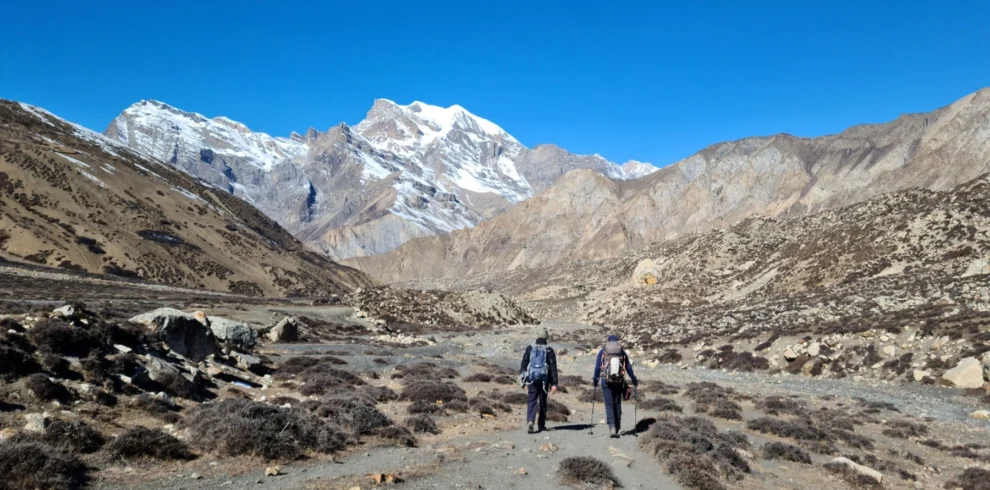
Drive from Leh towards Skiu, following the scenic Indus and Zanskar valleys. Begin trekking through the rugged terrain of the Markha Valley, passing rocky cliffs and river landscapes before reaching Sara for the overnight camp.
Drive: Approximately 3 hours
Trekking time: Approximately 1–2 hours
Continue along the Markha Valley trail, crossing streams and wooden bridges while passing traditional Ladakhi settlements and open mountain landscapes. Reach Markha village and settle into camp for the night.
Trekking time: Approximately 6–7 hours
Continue deeper into the valley, gradually gaining altitude through open meadows and rocky mountain terrain. The landscape becomes increasingly rugged as you approach the higher camps beneath Kang Yatse.
Trekking time: Approximately 6-7 hours
Trek through high-altitude terrain towards Kang Yatse II Base Camp. The trail climbs through barren landscapes with increasingly impressive views of the surrounding peaks. On arrival, settle into camp and prepare for the summit phase.
Trekking time: Approximately 5–6 hours
Spend the day at base camp acclimatising and preparing for the summit attempt. The mountain guide will conduct practical training in the use of crampons, ice axe techniques, harnesses, ropes, and movement on snow, as appropriate to the route and conditions. The team will also check equipment and discuss summit-day procedures.
Altitude: 5,100 m
Begin the summit attempt during the night or very early morning, depending on conditions and the guide’s assessment. The ascent involves steep slopes, possible glacier travel, snow sections, and sustained effort at extreme altitude.
After reaching the summit, descend carefully to base camp with the expedition team. This is the most physically demanding day of the expedition. The summit attempt may be modified or cancelled if weather, snow conditions, or participant safety requires it.
Summit altitude: 6,250 m
Duration: Approximately 10–14 hours, subject to conditions
Today is reserved for rest and recovery at the base camp. After the strenuous summit attempt, this day allows you to rejuvenate and regain your strength. Spend the day relaxing, hydrating, and enjoying the serene surroundings.
Day 10: Move
Pack the equipment required for the next climbing phase and ascend towards Camp 1.
The route passes through high-altitude terrain, requiring careful pacing and efficient movement. On reaching camp, settle in and prepare for the next stage.
Overnight: Camp 1.
Continue the ascent towards Camp 2, which serves as a staging point for the Kang Yatse I summit attempt.
The day requires careful attention to acclimatisation, hydration, and energy management. Organise your summit equipment and follow the team’s instructions for the next day’s climb.
Overnight: Camp 2.
Begin the summit attempt early, following the route and schedule established by the expedition team.
The climb involves demanding high-altitude terrain and may include steep snow and ice sections, exposed areas, and fixed-rope travel, depending on the selected route and conditions.
After reaching the summit, if conditions permit, descend carefully to the designated lower camp.
Overnight: Base Camp.
The summit attempt is subject to weather, route conditions, acclimatisation, and the expedition leader’s safety assessment.
Leave base camp and trek towards Chokdo via Kongmaru La Pass. The route crosses high mountain terrain before descending into the valley. Meet the vehicle at the designated roadhead and drive back to Leh.
Highest point: Approximately 5,200 m at Kongmaru La
Trekking time: Approximately 7–9 hours
Drive to Leh: Approximately 3 hours
Transfer to Leh Airport for your onward journey. Please book flights with sufficient flexibility, as mountain weather can affect road and flight schedules.
Altitude: 3,500 m
Another reserve day is included to accommodate possible weather delays, acclimatisation requirements, or changes to the summit schedule. If the day is not required, the expedition may conclude according to the original itinerary.
Additional expenses may apply if the buffer day is used, as specified in the expedition’s terms and conditions.
Accommodation
Accommodation in a 3-star category hotel in Leh on a twin-sharing basis, as per the itinerary.
Guesthouse or camping accommodation during the trekking and expedition phases, depending on the route and location.
Twin-sharing expedition tents, including at base camp.
Meals
Meals during the trekking and expedition period, as specified in the itinerary.
Nutritious vegetarian meals, including breakfast, lunch, evening tea with snacks, soup, and dinner during the trekking and expedition phase.
Specialised high-altitude meals during the base camp and climbing phases.
Hotel breakfast in Leh, as specified in the final itinerary.
Transportation
Airport pick-up and drop-off in Leh, as per the itinerary.
Ground transportation between Leh and the trek’s starting and ending points.
Expedition-related vehicle transfers specified in the itinerary.
Trek Leadership and Expedition Staff
Experienced Boots & Crampons trek leader and mountain guides.
High-altitude climbing guides for the summit phase.
Expedition cook, kitchen staff, camp setup team, and logistics crew.
Porters, mules, or horses for group equipment and expedition logistics, as arranged by the team.
Camping and Expedition Equipment
Expedition tents on a twin-sharing basis.
Sleeping bags and foam mattresses.
Dining and kitchen tents.
Toilet tent, where applicable.
Kitchen equipment, cooking gear, and utensils.
Technical Climbing Equipment
Climbing ropes and anchors, as required for the route.
Climbing Boots, Crampons, Gaiters, Ice Axe, Harnesses and Helmets, as specified in the expedition equipment plan.
Fixed ropes and associated climbing safety equipment, where required.
Permits and Documentation
Applicable trekking, environmental, forest, and expedition permits.
Relevant administrative and climbing fees covered by the package.
Safety and Medical Support
First-aid medical kit carried by the expedition team.
Emergency oxygen support where required.
Expedition safety coordination and emergency response support.
Additional Benefits
Expedition coordination and logistics management by Boots & Crampons.
Exclusive participant discount on Fast&Up nutrition products.
Expedition completion certificate, where applicable.
Travel to Leh
Airfare or other travel expenses to and from Leh.
Personal Equipment and Gear
Personal trekking clothing, footwear, and accessories.
Personal porter or mule services for carrying individual luggage, available at additional cost where arrangements permit.
Additional load-ferry arrangements between base camp and higher camps, where required and chargeable.
Personal Expenses
Meals during road journeys unless specified in the itinerary.
Bottled water, beverages, snacks, and personal food purchases.
Phone calls, internet usage, laundry, and other personal expenses.
Insurance and Emergency Costs
Personal adventure travel insurance covering high-altitude mountaineering.
Emergency rescue, evacuation, helicopter evacuation, hospitalisation, and medical treatment expenses.
Accommodation Upgrades
Single-occupancy hotel accommodation in Leh at additional cost.
Individual tent accommodation during the trekking or expedition phase at additional cost.
Unforeseen Expenses
Additional costs arising from adverse weather, landslides, road closures, political or environmental conditions, acclimatisation delays, or other unforeseen circumstances.
Expenses resulting from an early exit due to personal or medical reasons.
Additional accommodation, meals, transportation, and staff costs arising from itinerary changes.
Buffer Day / Reserve Day Policy
If the buffer day is not used, the expedition will be completed according to the original itinerary.
If the buffer day is used due to weather, operational, acclimatisation, or safety requirements, additional costs for accommodation, meals, staff, and logistics may apply.
Any additional stay requested by participants beyond the confirmed itinerary will be chargeable.
Staff Tips and Gratuities
Tips and gratuities for trek leaders, mountain guides, porters, and expedition staff.
General Exclusion
Any service, facility, equipment, or expense not explicitly mentioned under inclusions.
At Boots & Crampons, preparation is not optional. The level of training required depends on the duration, altitude, and technical difficulty of the trek or expedition you are signing up for. Kang Yatse II + Kang Yatse I requires excellent physical fitness, previous high-altitude trekking experience, and the ability to handle demanding mountain conditions.
Physical Fitness
Participants must follow a structured fitness routine for at least 2–3 months before the expedition.
Build strong cardiovascular endurance through regular jogging, cycling, and brisk uphill walking.
Practise uphill walking and stair climbing while carrying a progressively weighted backpack.
Focus on lower-body and core strength through squats, lunges, step-ups, and other strength exercises.
Build endurance for prolonged activity, as summit day may involve 10–12 hours of climbing and descending.
Previous Experience
Previous high-altitude trekking experience is mandatory.
Experience on mountains above 5,000 metres is strongly recommended.
Participants must be comfortable with consecutive days of trekking, long ascents, and sustained physical effort at altitude.
Familiarity with crampons, ice axe use, and basic rope techniques is beneficial. All participants must be able to follow the mountain guide’s technical instructions.
Mental Preparation
Be prepared for cold temperatures, strong winds, basic camp facilities, and long days in remote mountain terrain.
Patience, discipline, and the ability to manage fatigue are essential.
All decisions made by the expedition leader regarding route changes, summit attempts, or turnaround times must be respected.
Acclimatisation and Health
Follow the acclimatisation schedule and avoid unnecessary exertion during the initial days in Leh.
Stay hydrated, eat adequately, and get sufficient rest.
Inform the expedition leader immediately if you experience persistent headaches, nausea, dizziness, unusual breathlessness, or other symptoms of altitude illness.
Participants should disclose relevant medical concerns to the expedition team before departure and obtain medical advice where appropriate.
Final Preparation
Ensure that your trekking and mountaineering equipment is suitable for high-altitude conditions.
Practise using your boots, clothing layers, backpack, and other personal equipment before the expedition.
Attend the pre-expedition briefing and complete the required gear checks.
Be mentally prepared for the possibility that the summit attempt may be cancelled for safety reasons.
Proper preparation increases not just your chances of success, but also your safety and enjoyment in the mountains.
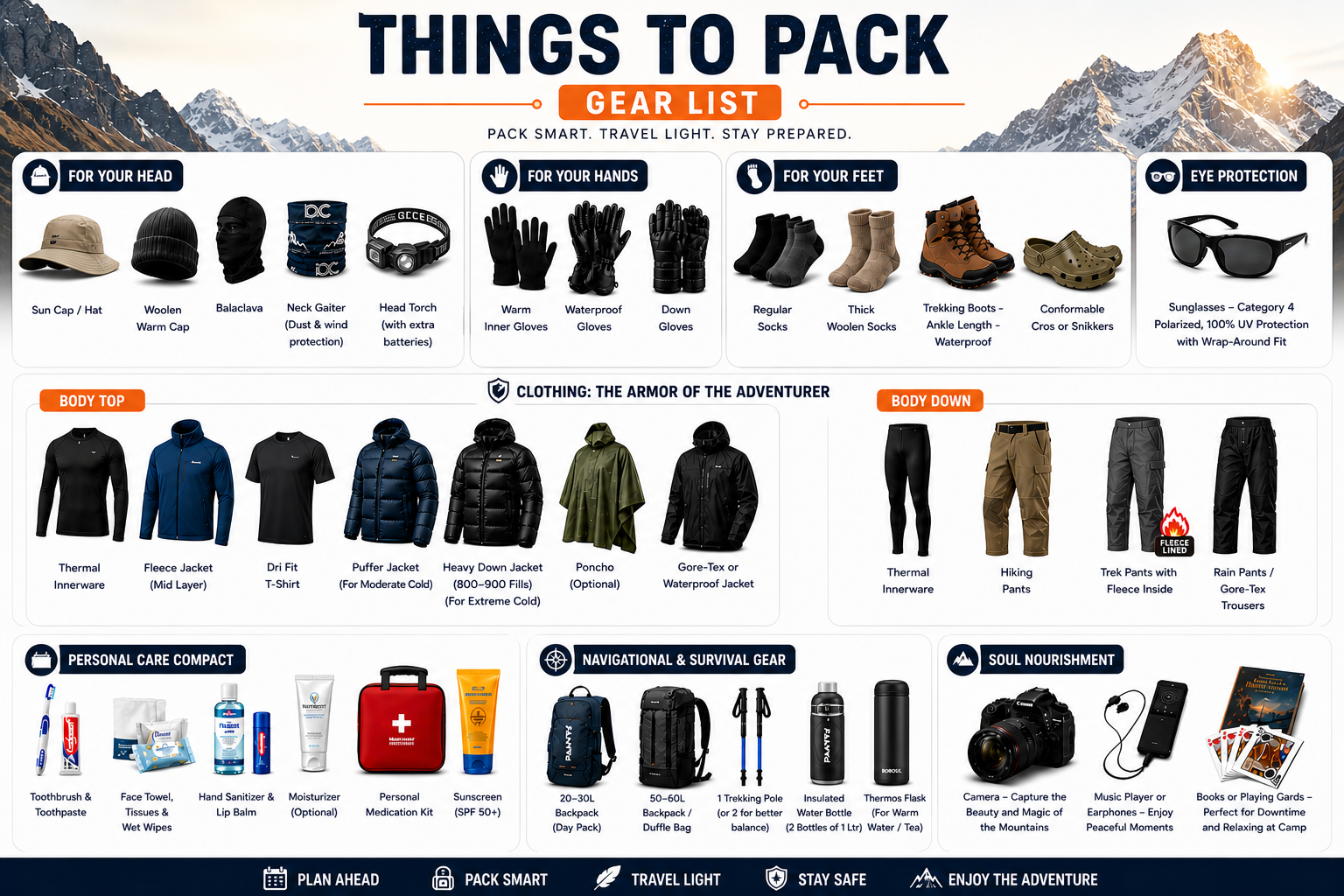
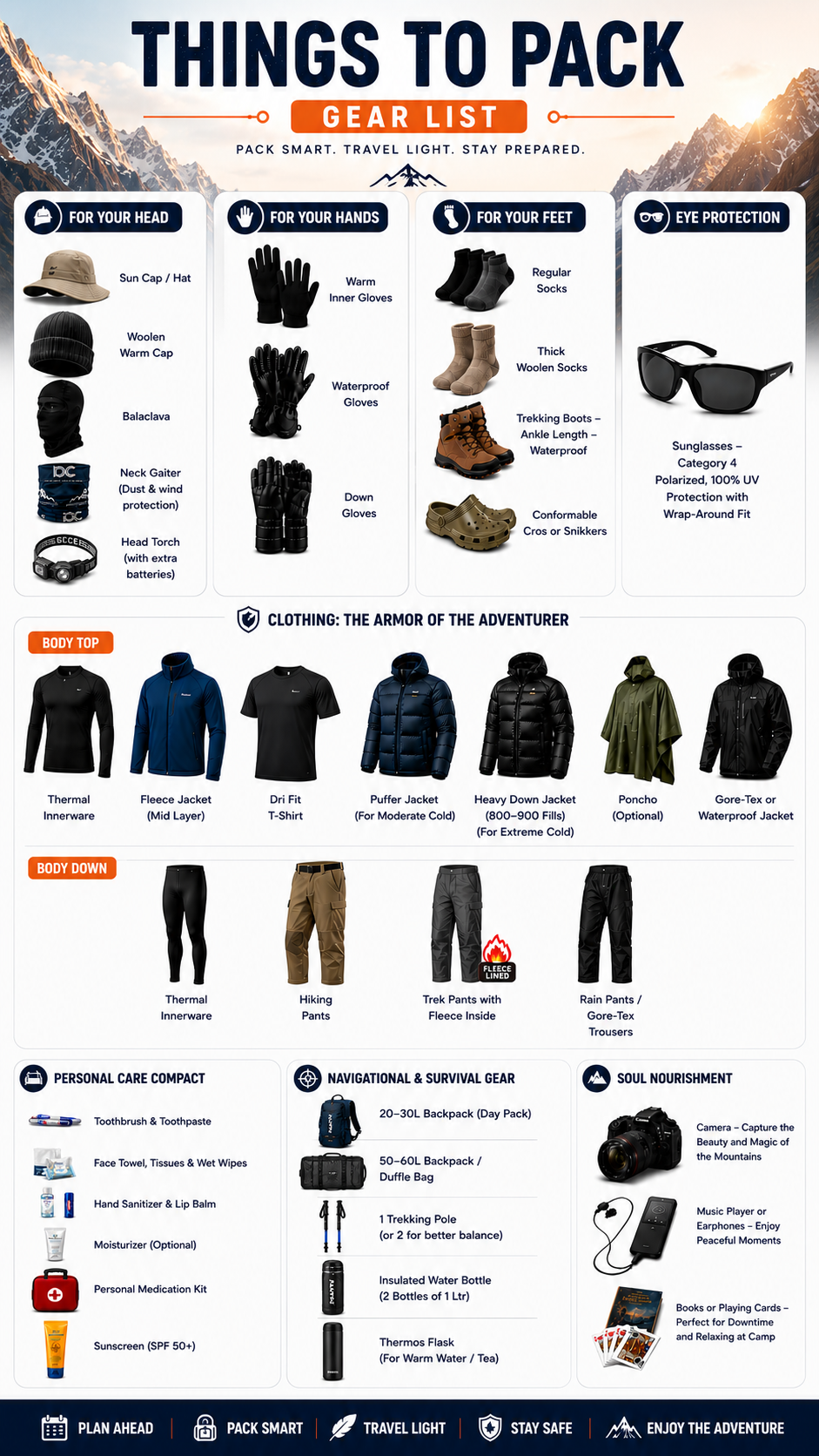

For rental bookings and additional equipment support, visit our contracted business partner — Summit Yak Official Website
The Mighty 6K Duet combines the routes and climbing phases of Kang Yatse II and Kang Yatse I. Participants should be prepared for:
High-altitude trekking trails.
Rocky and boulder sections.
Snow and ice travel.
Steep summit slopes.
Exposed sections that require careful movement.
Fixed-rope sections, depending on the selected route and conditions.
This is a high-altitude mountaineering expedition, not a conventional trekking holiday.
Kang Yatse II: approximately 6,250 m.
Kang Yatse I: approximately 6,400 m.
These elevations involve prolonged exposure to significant altitude and potentially demanding summit days.
This is a demanding high-altitude expedition combining two summit attempts in one itinerary. Participants should be prepared for snow and ice travel, long days at altitude, technical climbing sections, and the physical demands of recovering between summits.
It is not suitable for beginners.
Yes. Previous high-altitude mountaineering experience is essential. Participants should be familiar with crampons, ice axe use, basic rope procedures, and movement on snow and ice.
Experience on 6,000 m peaks and glacier travel is strongly recommended. Final eligibility should be confirmed by the expedition team.
Refer to the Preparation Guide for fitness and training expectations.
The usual climbing season is July to September, subject to weather, snow conditions, and operational assessments.
The published itinerary is 16 days, including the approach trek, acclimatisation, the Kang Yatse II summit attempt, the Kang Yatse I summit attempt, and two reserve days.
The final schedule depends on route conditions and the expedition team’s operational plan.
Participants should have:
Strong cardiovascular endurance.
Excellent strength and stamina.
Experience with high-altitude terrain.
The ability to handle prolonged trekking and climbing days.
The capacity to recover between demanding summit attempts.
Refer to the Preparation Guide for detailed fitness and training recommendations.
Key equipment includes:
Mountaineering boots compatible with crampons.
Crampons and an ice axe.
Harness, helmet, and carabiners.
Warm clothing suitable for extreme-altitude conditions.
Suitable gloves and summit-day equipment.
A comprehensive gear checklist will be shared before the expedition. Confirm the technical equipment supplied as part of the package.
Water collected along the approach route and near camps should be treated or purified before drinking. Carry a suitable filter or purification tablets and follow the guidance of the expedition team.
Training should focus on:
Cardiovascular endurance through running, cycling, and sustained aerobic exercise.
Strength training, particularly for the legs and core.
Uphill hikes with a loaded backpack.
Building endurance for consecutive days of physical activity.
Familiarisation with technical climbing equipment and procedures.
Full guidance is available in the Preparation Guide.
A WhatsApp group will be created for participants to ask questions about preparation, logistics, and the expedition.
Zoom briefing sessions will be conducted to explain the itinerary, outline expectations for both climbs, discuss equipment requirements, and answer participant questions.
The Mighty 6K Duet is a challenging expedition that demands disciplined preparation, high-altitude experience, and respect for mountain conditions. Participants must follow the expedition leader’s guidance and prioritise safety throughout both summit attempts.
The 6K Duet: Kang Yatse I & II Expedition is an intense, rewarding Himalayan challenge requiring strong preparation, experience and altitude resilience. With the right training and support, climbers can achieve both summits in one unforgettable journey.
Boots & Crampons staff of highly trained professional guides is here to make your journey as safe and secure as possible. All of our trekking guides are medically certified and have abundant experience using their training in mountainous environments.
Our safety standards are based on the experiences of our founder, managing risk in some of the world’s most hostile environments.
While we advise our trekkers to carry light, our guides are always prepared with:
Be it queries about the trek, customization or anything else, our team is eager to assist you.
Need your questions answered right away?
Get in touch with us at
Discover similar treks from Boots & Crampons that quench your thirst for adventure.

Discover similar treks from Boots & Crampons that quench your thirst for adventure.